How to Turn Your Hobby into a Business
Turning a hobby into income sounds ideal — but it requires a different mindset than hobbyist thinking. Here's how to make the transition successfully without ruining what you love.

November 27, 2025
The idea of turning a hobby into income has seduced millions of people — and disappointed many of them. The passionate baker who opens a café and discovers that baking 200 loaves per week on deadline is nothing like baking for pleasure on Sunday morning. The photographer who loves capturing family moments but hates chasing invoices and editing on client timelines.
This isn't a reason to abandon the idea — it's a reason to approach it intelligently.
The Critical Mindset Shift
A hobby and a business using the same skill are fundamentally different activities. This isn't pessimism; it's clarifying.
Hobby mindset: Create when inspired, for enjoyment, on your schedule, to your standards.
Business mindset: Create for clients, to their specifications, on their timelines, at consistent quality, while managing money, customers, marketing, and administration.
The question isn't "can I make money doing this?" Most creative hobbies can generate income. The question is: "Do I want to do the business parts that surround this skill — and is there a market willing to pay enough to make it worthwhile?"
Many people discover they love their hobby more when it stays separate from commercial pressure. That's a completely valid conclusion.
Step 1: Test Before You Quit Anything
The biggest mistake people make: going all-in before validating that people will pay. The right order:
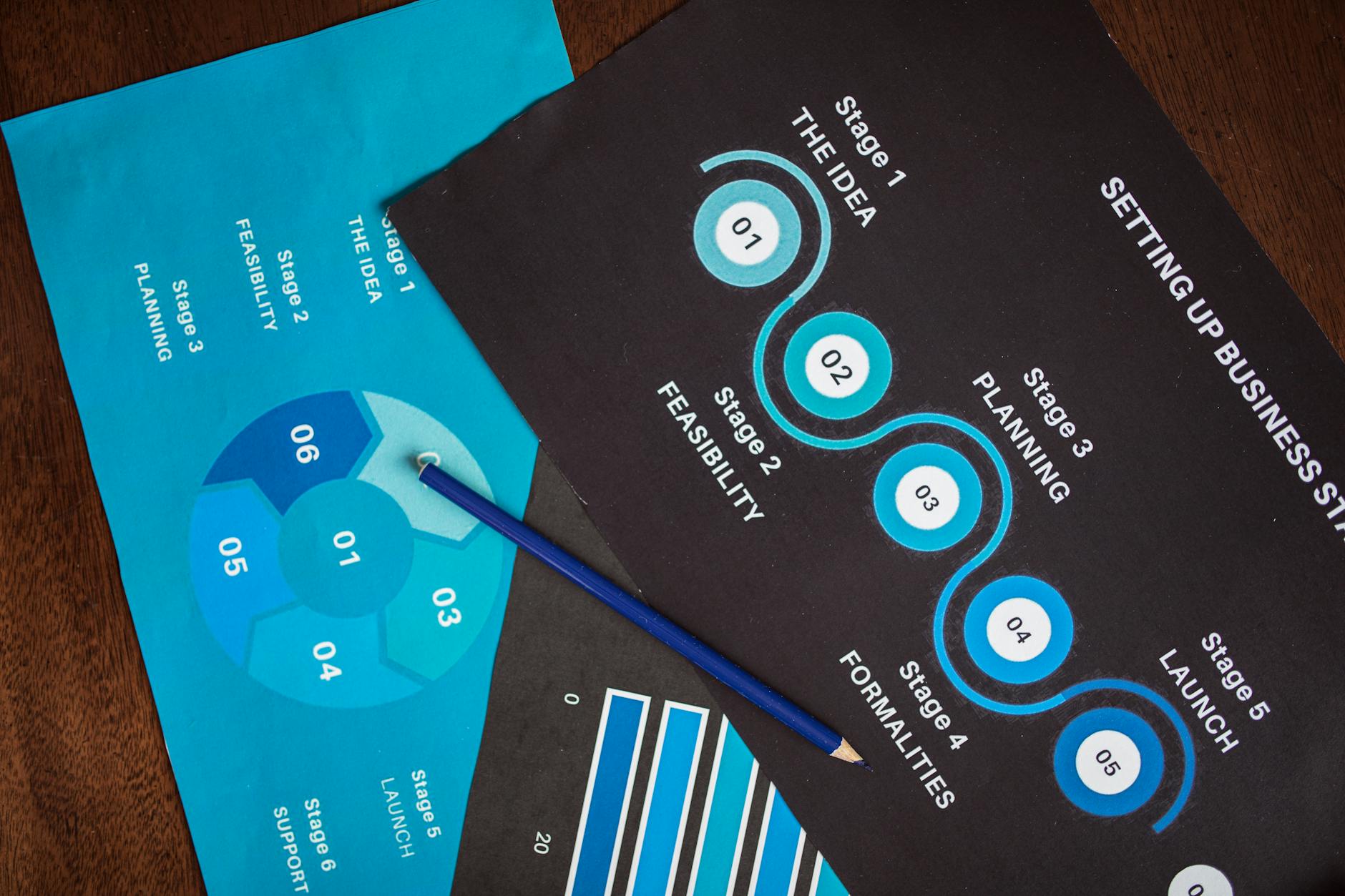
- Do your hobby professionally for a few clients while keeping your current income
- Learn whether you enjoy client work vs. personal work
- Learn whether you can charge enough to make it economically viable
- Build the skills and systems the business requires
- Only then consider making it your primary income
This means starting your photography business, woodworking business, or coaching practice as a side project with 2–5 real paying clients before treating it as a career change.
Step 2: Define What People Will Pay For
Not every aspect of a hobby translates to market demand. The market doesn't pay for your enjoyment — it pays for specific outcomes it values.
Questions to identify your offering:
- What specific result or transformation do you create for someone?
- Who specifically experiences this problem or desire?
- What would it be worth to them?
- What alternatives do they currently use?
A woodworker might find that custom furniture commands premium prices, but that market requires advanced skills and significant marketing. The same woodworker might find an easier entry through custom cutting boards, where the price point is lower but the customer base is enormous and the sales cycle is days rather than months.
Find the intersection of: what you enjoy making + what people want to buy + what they'll pay a meaningful price for.
Step 3: Price Correctly (Not Cheaply)
Underpricing is the most common business-killing mistake in hobby businesses. The reasoning is understandable: "I'm new, I'm not sure people will pay, I'll start low and raise prices later." The problems:

- Low prices attract price-sensitive clients who are disproportionately difficult
- Raises are hard to implement with existing clients
- Low prices signal low quality
- You can resent work that doesn't compensate you fairly, which destroys both the work quality and your enjoyment
Research what established professionals in your field charge. Price at least at the middle of the market range. If you're not getting hired, the problem is probably marketing and positioning, not price.
The basic pricing formula for services: Desired annual income ÷ billable hours per year = hourly rate. A photographer wanting to make $50,000 working 20 hours/week for 40 weeks needs to bill $62.50/hour — before accounting for non-billable business time, which might mean a needed rate of $100–$125/hour.
Step 4: Start Simple
The first version of your hobby business should be the minimum viable product — the simplest possible offering that delivers genuine value.
Don't build a website, design a logo, and create a full product line before getting a single paying customer. Get a paying customer first. A text message to a friend, a post in a local Facebook group, or a Craigslist listing for your service can generate the first client without any business infrastructure.
The website comes after the first client. Formal business registration comes after you know you have a viable product. Systems come after you've done the thing manually and know what needs systemizing.
Step 5: Protect What You Love About the Hobby
The reason many people regret turning a hobby into a business: they commercialized the entire hobby rather than protecting the intrinsic version of it.

Preservation strategies:
- Reserve a portion of your creative practice for your own enjoyment — client-free work where you set all parameters
- Set limits on client work that compromises your artistic or ethical standards
- Keep one personal project running at all times that isn't for sale
Many artists, craftspeople, and creators who build successful businesses maintain a private practice specifically separated from commercial work. This allows the business to serve commercial needs without cannibalizing the creative fuel that made the work good in the first place.
A business built around genuine passion, priced appropriately, and scaled thoughtfully is one of the most fulfilling professional paths available. The key is building it with clear eyes about what business actually requires — not just the romantic version.