Katseye: The K-Pop Group Redefining Global Pop in 2026
Formed through Netflix and HYBE's groundbreaking PopStar Academy, Katseye is what happens when K-pop training meets Western pop ambition — and it's working.

April 20, 2026
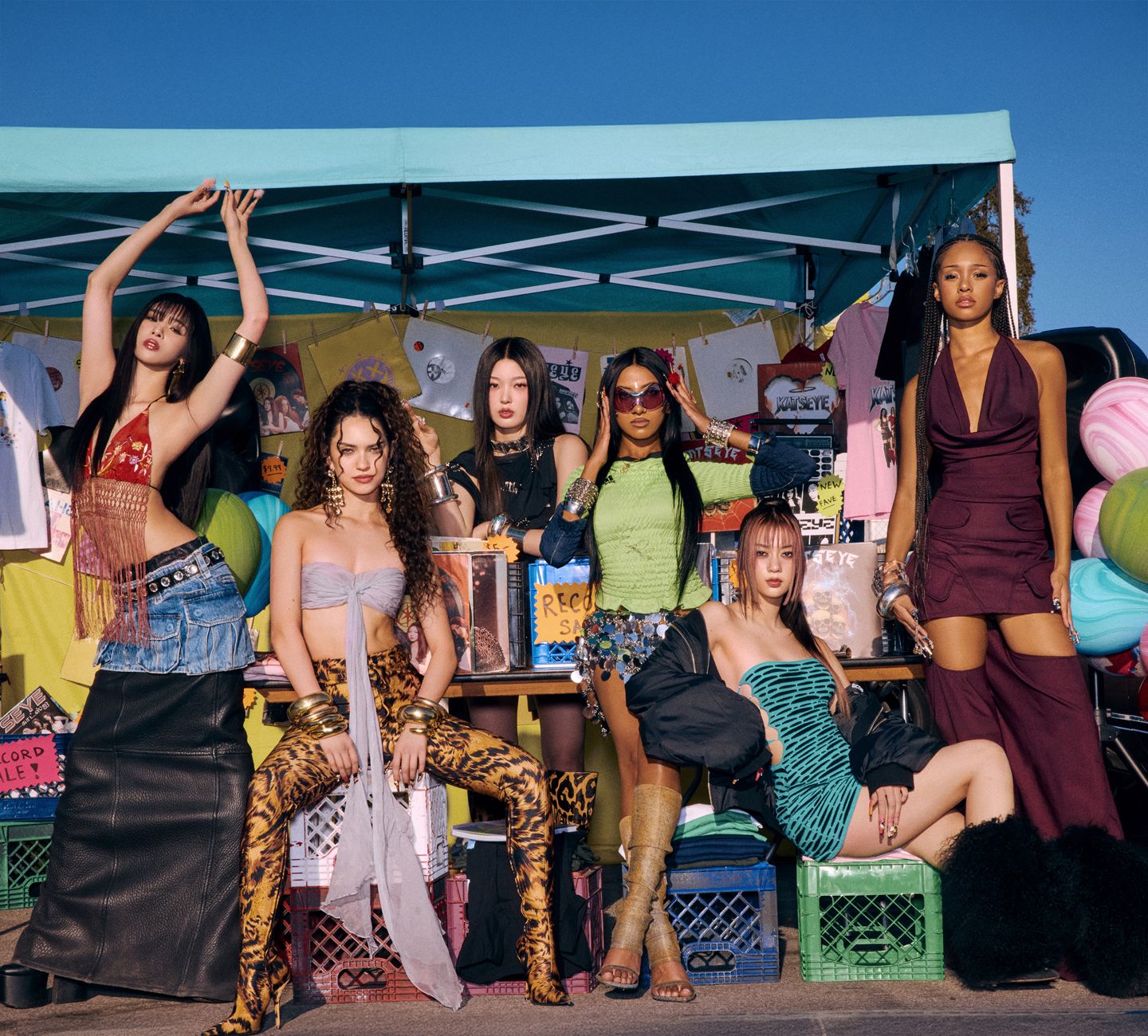
In 2024, something genuinely new happened in pop music. Six young women — selected from thousands of global auditions through a Netflix reality competition — debuted as Katseye, a girl group born from HYBE's first venture into Western markets. Two years later, they've grown into one of the most-streamed and most-discussed acts in global pop. Here's why they matter and what makes them different from everything else charting right now.
Who Is Katseye?
Katseye was formed through PopStar Academy: Katseye, a Netflix competition series produced in partnership with HYBE — the South Korean entertainment powerhouse behind BTS, NewJeans, and Le Sserafim. The show followed 20 trainees from around the world competing for spots in the final group.
The six members who debuted are Sophia, Manon, Lara, Daniela, Megan, and Yoonchae. They represent the United States, France, the Philippines, Ecuador, and South Korea — a lineup that was deliberately international and deliberately diverse, reflecting HYBE's vision of a K-pop-influenced group built for a global audience from the start.
Their debut EP SIS (Soft Is Strong) dropped in 2024 and immediately charted across multiple countries, with "Touch" becoming a viral moment on social media before most people had even learned to pronounce the group's name.
What Makes Their Sound Different
Katseye occupies an interesting space between genres. Their music is firmly K-pop in its production sensibility — layered choreography, meticulous vocal arrangements, hook-forward structure — but the lyrics are almost entirely in English, and the sonic palette leans closer to American pop and R&B than to the HYBE acts they were trained alongside.
The production frequently involves collaborators from both the US and South Korea, creating a hybrid that doesn't fully belong to either tradition. It's polished without feeling sterile, danceable without being disposable.
Their approach to the music video also stands out. Rather than the ultra-high-budget cinematic concepts that define most K-pop MVs, Katseye's visuals lean more intimate and editorial — closer to a European fashion campaign than a traditional idol group release. It works because it feels intentional, not underfunded.

The Training System — and the Debate Around It
One of the most discussed aspects of Katseye isn't the music — it's how the group was made. HYBE's idol training system is famously rigorous. Members train for years in singing, dancing, language, and performance before they ever appear in public. For Katseye, this included intensive preparation that was partially documented on Netflix.
The reality show aspect created unusual transparency about a process that K-pop companies have historically kept opaque. Viewers saw the rejections, the injuries, the emotional strain, and the genuine friendships — which gave audiences a connection to the final group that most debut acts don't have.
This transparency has generated discussion about what idol training systems mean ethically when exported to Western markets. It's a legitimate conversation, and one the group's management hasn't shied away from entirely. But it's also worth noting that Katseye's members have consistently spoken positively about the experience and about each other in interviews.
Why They're Resonating in 2026
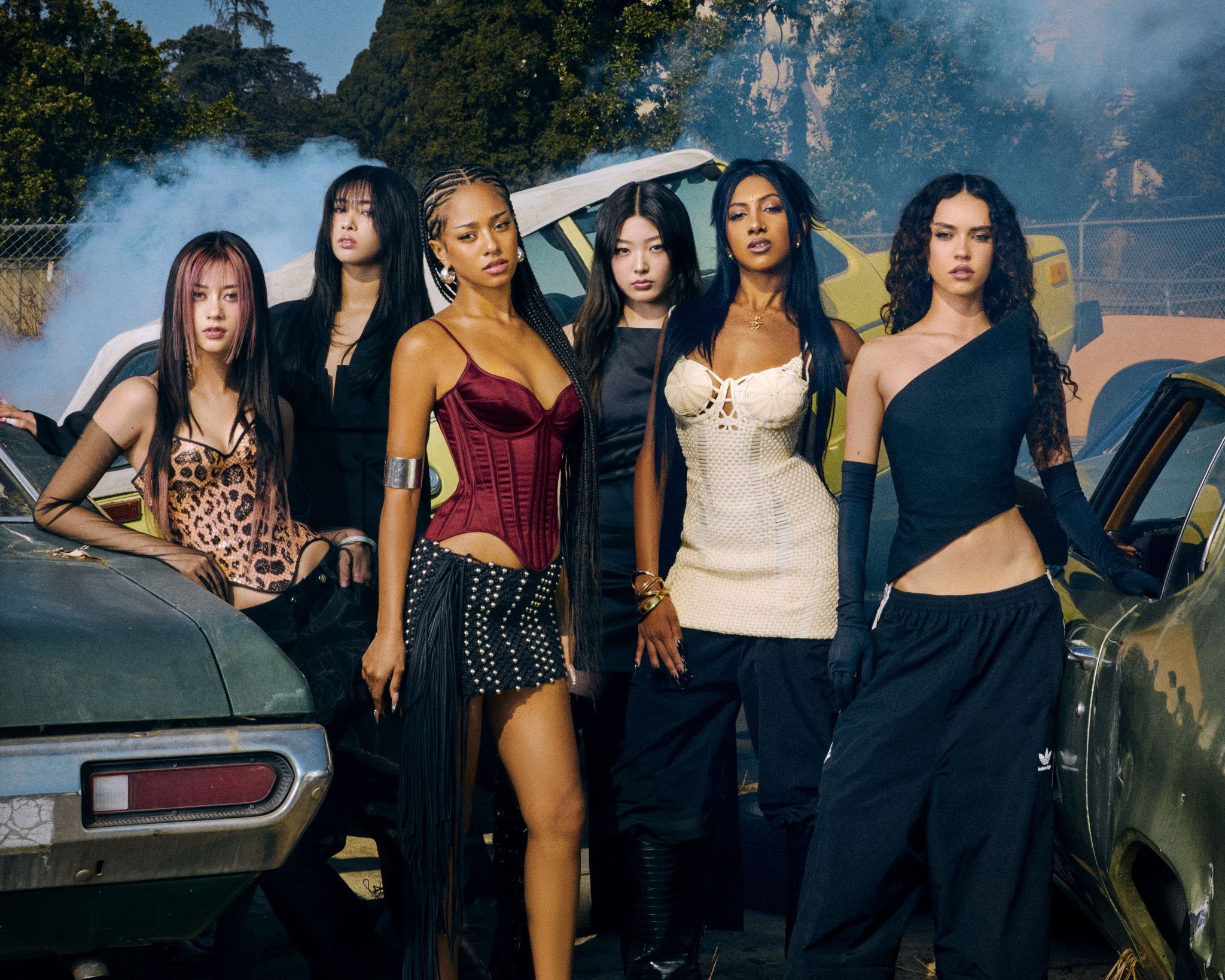
Part of what makes Katseye's trajectory interesting is how differently they're growing compared to conventional K-pop groups that cross into Western markets.
Traditional K-pop crossover success — think BTS, Blackpink — happened when already-established acts from South Korea gained international followings. Katseye was built internationally from day one. Their fanbase isn't a secondary market that discovered a Korean act. It's a primary audience that grew up with the group from the competition show and feels genuine ownership over the outcome.
This creates a different kind of loyalty. Katseye fans — who've adopted the name "눈빛" (Nunbit, meaning "gaze") — are younger, more globally distributed, and more online than many traditional fandoms. Their engagement on platforms like TikTok, Weverse, and YouTube Shorts is consistently high regardless of release cycles, which is increasingly the metric that matters for streaming revenue and brand partnerships.
What's Coming Next
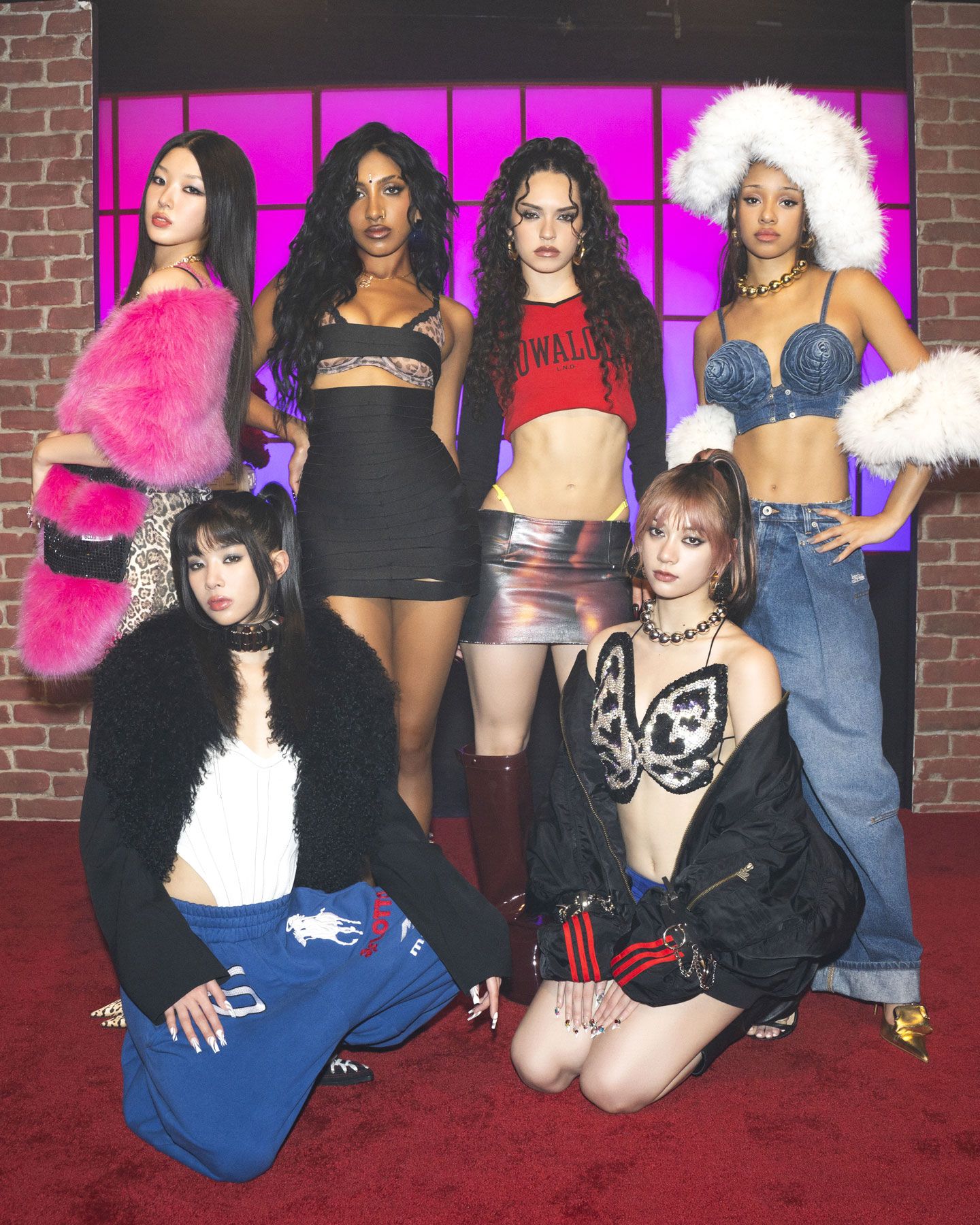
Katseye released their first full-length album in early 2026, and the tour that followed sold out quickly across North America and Europe. A string of festival appearances — including a highly anticipated set at a major summer festival — is currently being finalized.
More importantly for their long-term career, they're beginning to be seen as genuine pop artists rather than just a K-pop curiosity or a reality show product. Music critics who were initially skeptical have started writing about them in more serious terms. Whether that translates into sustained mainstream success or a more devoted niche following remains to be seen.
But what's already clear is that Katseye represents something real: the first fully realized attempt to build a globally-native pop group using K-pop infrastructure. Whether or not you love the music, that's worth paying attention to.