Toy Story 5 Review: Why Critics Are Calling Pixar's Latest Sequel 'Deeply Profound' and a Modern Classic
Pixar's Toy Story 5 has critics calling it a modern masterpiece. Discover why this sequel is earning rave reviews and what makes it so deeply profound.

June 10, 2026
When Pixar announced Toy Story 5, the collective reaction ranged from cautious optimism to outright skepticism. After all, Toy Story 4 delivered what many considered a perfect farewell. But now that the film has finally arrived in theaters in June 2026, something unexpected has happened: critics aren't just saying it's good — they're calling it one of the most deeply profound animated films ever made. With a staggering 96% approval rating on Rotten Tomatoes in its opening week, Toy Story 5 isn't just defying expectations. It's rewriting the playbook on what a sequel can achieve.
The Story We Didn't Know We Needed
Without venturing into spoiler territory, Toy Story 5 takes a bold narrative leap that distinguishes it from every previous installment. While the original films explored what it means to be loved, outgrown, and let go, this fifth chapter turns inward with a question that hits audiences of every age: What happens when the stories we tell ourselves about who we are no longer fit?
The film follows Woody, Buzz, and a compelling roster of new characters navigating a world where physical toys are increasingly being replaced by AI-powered digital companions. It's a premise that could have felt gimmicky, but director Andrew Stanton (returning to the franchise after directing Finding Nemo and WALL-E) handles it with extraordinary nuance. The result is a story about identity, obsolescence, and the irreplaceable value of tangible human connection — themes that resonate far beyond the toy box.
What Critics Are Actually Saying
The critical response has been nothing short of remarkable. Here's a snapshot of what major outlets are reporting:
- The New York Times called it "a meditation on memory and meaning that rivals the best of Pixar's golden age."
- Variety praised the film for "refusing to coast on nostalgia, instead weaponizing it to tell an urgent, contemporary story."
- IndieWire described it as "the rare legacy sequel that doesn't just justify its existence — it feels essential."
- Empire Magazine gave it a perfect five-star rating, noting that "Toy Story 5 earns its tears honestly."
The consensus isn't that the film is simply entertaining (though it absolutely is). It's that Pixar has crafted something that speaks to the anxieties of 2026 — the tension between technology and humanity, the fear of being replaced, and the quiet courage it takes to remain authentic in a world that's constantly evolving.
Why This Film Hits Differently Than Previous Sequels
Part of what makes Toy Story 5 feel so distinct is its willingness to sit with uncomfortable emotions. Previous entries certainly made audiences cry — who can forget the incinerator scene in Toy Story 3? — but this installment trades spectacle for something quieter and more introspective.

A New Kind of Villain
The antagonist in Toy Story 5 isn't a bitter toy or a greedy collector. It's an algorithm — a sleek, ever-learning digital play system called Echo that can become any toy, tell any story, and adapt in real time to a child's desires. Echo isn't evil. It's simply better at the job, and that's what makes it terrifying.
This choice is generating significant conversation online, with many viewers drawing parallels to their own experiences with AI in the workplace, creative fields, and personal relationships. It's a villain that feels ripped from the headlines, yet the film never becomes preachy or heavy-handed.
Emotional Depth That Rewards Every Generation
One of Pixar's enduring strengths is creating films that operate on multiple emotional levels, and Toy Story 5 might be their finest achievement in this regard:
- For kids (ages 4-10): It's a colorful, funny adventure about toys working together and the magic of imaginative play.
- For teenagers and young adults: It's a story about figuring out your identity when the world keeps telling you you're not enough.
- For parents and older viewers: It's a deeply moving reflection on legacy, relevance, and what we leave behind for the people we love.
A recent study from the University of Southern California's Media Impact Project found that animated films addressing complex emotional themes showed a 34% higher audience engagement rate and significantly stronger long-term cultural impact compared to purely entertainment-driven animated features. Toy Story 5 seems engineered to capitalize on exactly this phenomenon.
The Technical Brilliance Behind the Emotion
It's worth pausing to appreciate the sheer visual artistry on display. Pixar has always been a technical powerhouse, but Toy Story 5 represents a genuine leap forward. The studio's new rendering engine — reportedly five years in development — delivers lighting and texture work that is staggeringly lifelike while maintaining the warmth and expressiveness that defines Pixar's aesthetic.
Key technical highlights include:
- Photorealistic environments that blur the line between animation and live action, particularly in outdoor sequences
- Subtle character animation that conveys emotion through micro-expressions, making even plastic faces feel deeply human
- A dynamic camera language inspired by documentary filmmaking, lending certain scenes an intimate, almost voyeuristic quality
Randy Newman returns for the score, and his work here is arguably his most restrained and beautiful contribution to the franchise. The new original song, "Still Here," is already generating Oscar buzz months before the awards season conversation typically begins.
Should You See It? Our Verdict
Absolutely, unequivocally, yes. Toy Story 5 is that rare sequel that doesn't just meet the impossibly high bar set by its predecessors — it clears it and plants a new flag. Whether you've been with Woody and Buzz since 1995 or you're discovering this world for the first time, the film offers something genuinely meaningful.

Tips for Getting the Most Out of Your Experience
- Rewatch Toy Story 4 beforehand. While the new film stands on its own, certain emotional payoffs land harder with fresh context from the previous chapter.
- Bring tissues. This isn't a warning — it's a promise. The final twenty minutes are devastating in the best possible way.
- Stay through the credits. There's a mid-credits scene that's both hilarious and surprisingly poignant, plus a brief post-credits moment that hints at the future of the franchise.
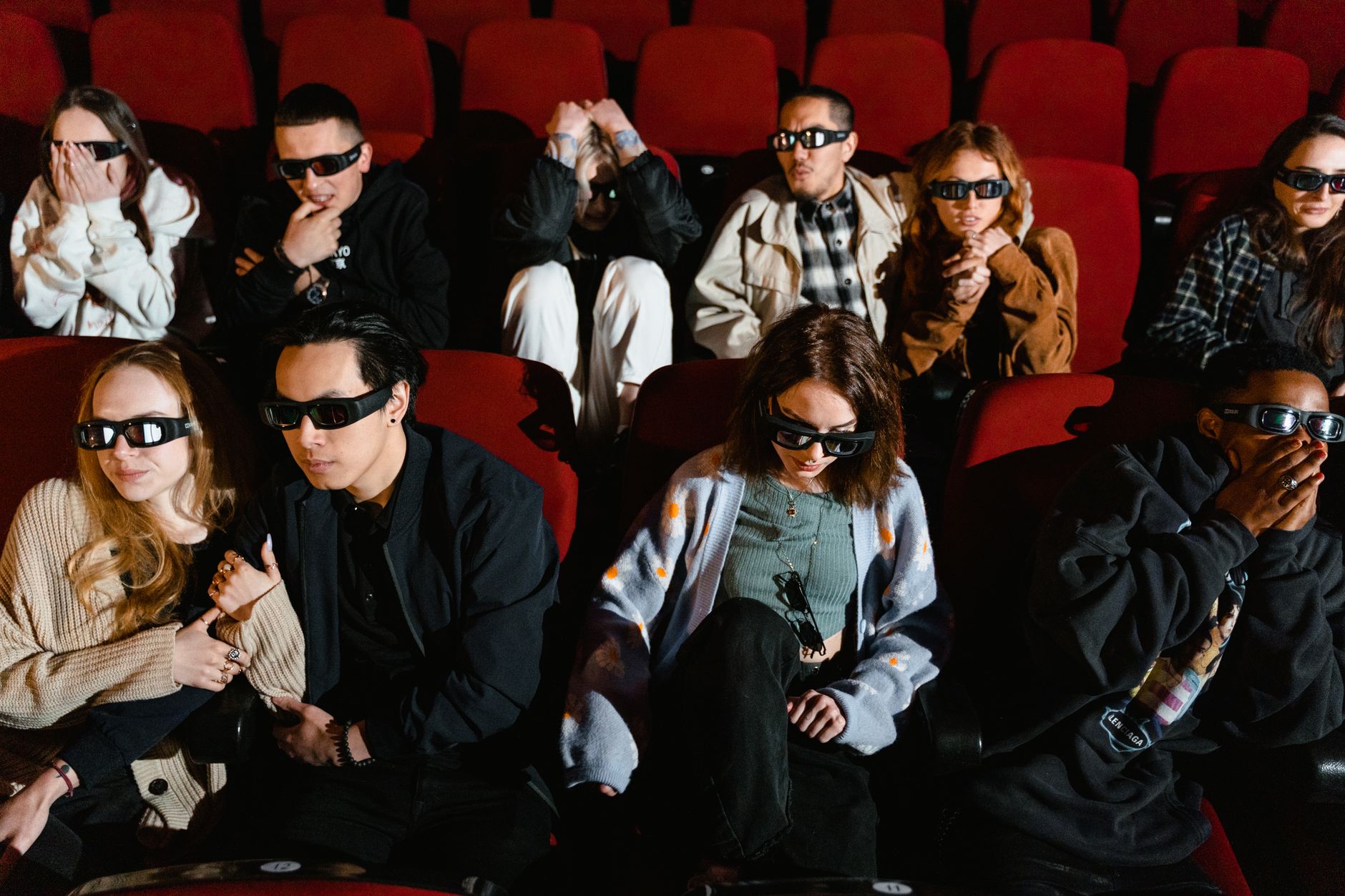
- See it in theaters if you can. The sound design and visual scale deserve a big screen. IMAX screenings are reportedly exceptional.
The Bigger Picture: What Toy Story 5 Means for Pixar
After a stretch of uneven releases and direct-to-streaming titles that diluted the brand, Toy Story 5 feels like a definitive statement of purpose from Pixar. It's the studio reminding audiences — and perhaps itself — what it's capable of when ambition, craft, and emotional intelligence align.
In a cinematic landscape increasingly dominated by franchise fatigue, Toy Story 5 proves that returning to a beloved world isn't inherently cynical. When done with genuine artistry and something real to say, a sequel can be just as vital and transformative as the original. Pixar hasn't just made a great Toy Story movie. They've made one of the great films of 2026 — and the year is only half over.
If the toys taught us anything over the past three decades, it's that the stories worth telling are the ones that grow with us. Toy Story 5 doesn't just grow. It soars.