The Best Exercises for People Who Hate Working Out
You don't have to love exercise to get fit. These approaches make movement feel less like punishment and more like something you might actually keep doing.

Published May 3, 2026 · Updated May 18, 2026
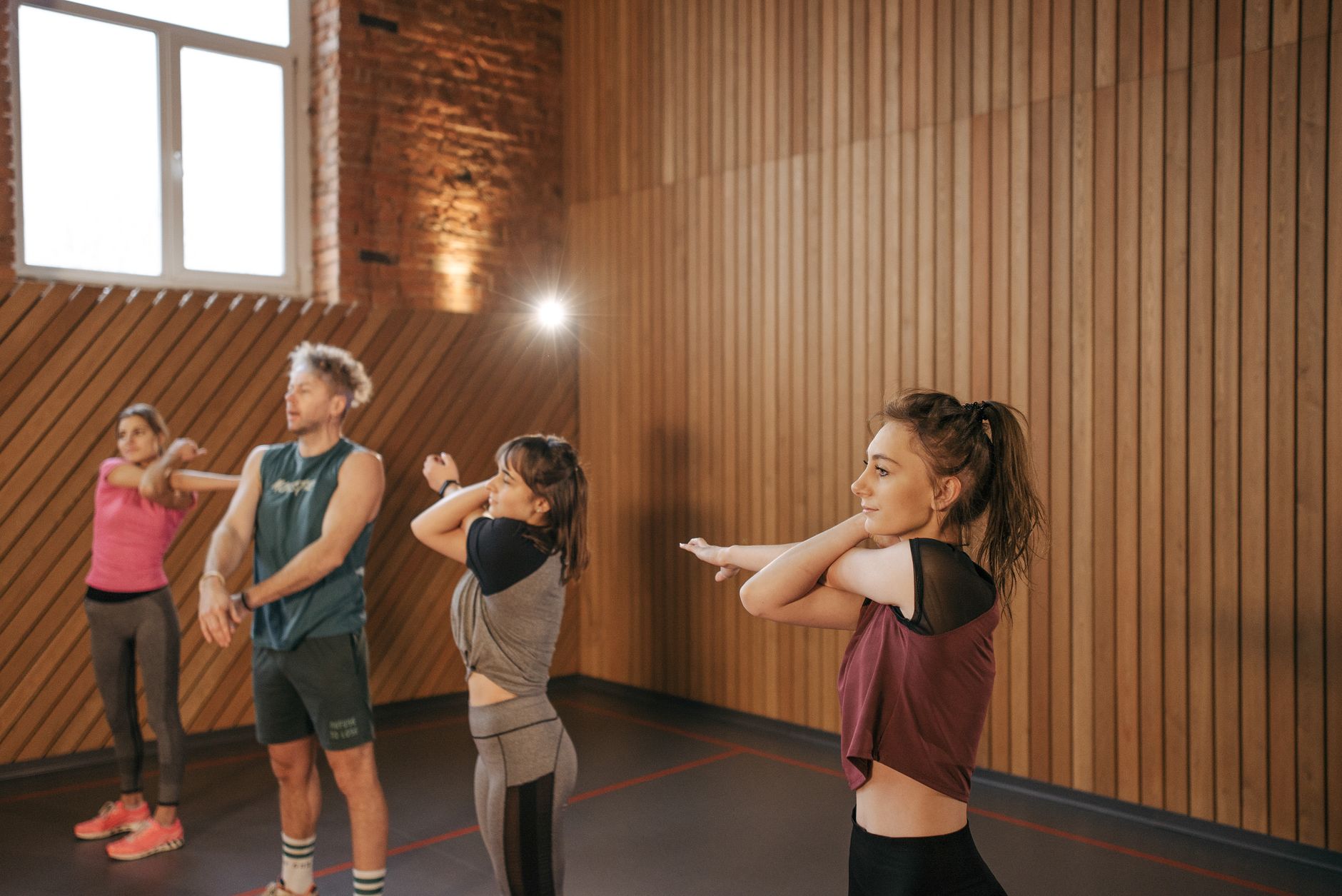
Let's be honest: a lot of fitness advice assumes you already like working out, or that the right podcast will make you love it. For many people, that's simply not true. Exercise feels uncomfortable, boring, or like one more obligation in an already packed day.
The good news is that the science doesn't actually require you to enjoy it — it just requires you to do it consistently. And consistency is much easier when you find the right type of movement for the person you actually are, not the person fitness culture expects you to be.
Why Traditional Gym Workouts Fail Non-Exercisers
The standard gym recommendation — 3–4 days per week, 45–60 minutes per session, cardio plus weights — works great for people who are already motivated. For everyone else, it's a setup for dropout.
The barrier isn't physical. It's cognitive. Getting to a gym requires planning, travel, and a certain psychological readiness that becomes another thing to dread. Research consistently shows that proximity and convenience predict adherence better than the quality of any specific workout. The best exercise is the one you actually do.
Walking: Underrated, Undervalued, Genuinely Effective
Walking gets dismissed as "not real exercise," but the evidence says otherwise. Regular brisk walking — 7,000–10,000 steps per day — is associated with significantly lower rates of cardiovascular disease, diabetes, depression, and all-cause mortality.

What makes walking sustainable for exercise-averse people:
Read also
Benefits of Walking 30 Minutes a Day- You already know how to do it
- No equipment required
- Can be done in normal clothes
- Easily combined with things you already do (commuting, errands, phone calls)
- Low injury risk
To get real benefit: aim for a pace where you can talk but not sing. Add hills or inclines to increase intensity without feeling like you're "working out."
If you do nothing else from this article, get outside and walk for 30 minutes a day. That alone will meaningfully improve your health outcomes.
Swimming: The Workout That Doesn't Feel Like One
Swimming is uniquely effective for people who dislike high-intensity exercise because it doesn't feel hard in the same way. The water supports your body weight, eliminates sweat as a discomfort factor, and muffles the outside world in a way that many people find genuinely meditative.
Swimming works your entire body, improves cardiovascular health, and is one of the lowest-impact high-calorie-burn activities available. Thirty minutes of moderate-intensity swimming burns roughly 200–350 calories, comparable to running, without the joint stress.
The only real barrier is access to a pool. If you have one nearby, this is worth trying even if you haven't swum since childhood.
Cycling: Outdoors or Stationary
Cycling has a similar appeal to walking — it gets you somewhere, which makes it easier to justify as transportation rather than "exercise." Riding a bike to work, errands, or coffee shops turns a chore into something that incidentally keeps you fit.

For indoor cycling, stationary bikes have an advantage: you can watch TV, listen to podcasts, or do almost anything that makes time pass faster. Studies show that distraction significantly increases exercise duration and reduces perceived effort. If you find a stationary bike boring, that's not a character flaw — it's a prompt to pair it with something enjoyable.
Resistance Training (Without the Gym)
Strength training is genuinely important for long-term health — especially as you age, when muscle mass loss accelerates and becomes a major risk factor for falls, disability, and metabolic decline. But you don't need a gym to do it.
Bodyweight training — pushups, squats, lunges, planks, glute bridges — provides meaningful resistance training with zero equipment. A simple routine of 3–4 exercises, 3 sets each, twice a week, done in your living room, will produce real results.
The key for exercise-averse people: keep it short. A 15-minute bodyweight routine done consistently beats a 60-minute gym session you dread and skip. Apps like Nike Training Club and YouTube channels offer free guided workouts that make the "what do I do" problem disappear.
Yoga and Stretching: Underestimated for Fitness
Yoga is often dismissed as "not real exercise," which is mostly wrong. Active yoga styles — vinyasa, power yoga, ashtanga — provide genuine cardiovascular and muscular challenge. Even gentler styles build flexibility, balance, and proprioception that become increasingly important with age.

The psychological benefit of yoga for exercise-averse people is that it doesn't feel like punishment. It tends to leave you feeling better immediately — less tense, more centered — which creates a positive feedback loop that sustains the habit.
The Most Underrated Strategy: Social Commitment
Research on exercise adherence consistently identifies social factors as among the most powerful predictors of whether people keep exercising. A walking partner, a sports league, a dance class, a recreational tennis group — the social obligation often carries you through days when personal motivation runs dry.
If you hate exercising alone, this is the insight that changes everything. Stop trying to build willpower and start building a commitment that involves other people.
Start Smaller Than You Think You Should
Most people who hate working out fail because they start too ambitiously and burn out. Two weeks of six-day gym visits followed by complete dropout is worse than two years of three 20-minute walks per week.

The goal initially is not fitness — it's showing yourself that you can be the kind of person who moves regularly. Start with something embarrassingly easy. Walk for 15 minutes. Do 10 pushups. Swim one lap. Make it so small you can't fail.
Then build from there. Slowly. Without drama.
The fitness industry profits from making exercise feel like an extreme transformation. The science just says: move more than you currently do, in ways you can sustain. Almost any movement, done consistently, is far better than the perfect workout that stays on your to-do list.