What the Latest Research Says About Gut Health
The gut microbiome has been hyped for years, but 2026 research is finally separating fact from marketing. Here's what we actually know — and what still needs proving.

Published May 4, 2026 · Updated May 18, 2026
Gut health has been one of the biggest wellness buzzwords of the past decade. Probiotics, prebiotics, fermented foods, microbiome testing kits — an entire industry has been built around the premise that optimizing your gut bacteria will transform your health. Some of that premise is well-supported by science. A significant portion is not.
In 2026, the research has matured enough to start separating what's genuinely established from what's still speculative — and to offer practical guidance that doesn't require buying expensive supplements.
What We Know With Confidence
The human gut contains trillions of microorganisms — bacteria, fungi, viruses, and other microbes — collectively called the gut microbiome. This is not hype; it's well-established biology. The microbiome influences digestion, produces vitamins and short-chain fatty acids, trains the immune system, and communicates with the nervous system via what researchers call the gut-brain axis.
Read also
How to Reset Your Gut Health in 7 DaysWhat is well-established:
Diversity matters. People with greater microbial diversity in their gut consistently have better health outcomes across multiple metrics — lower rates of inflammatory conditions, metabolic disease, and certain mental health disorders. This is one of the most replicated findings in microbiome research.
Diet is the primary driver of microbiome composition. What you eat has a faster and more significant impact on your gut bacteria than almost any other factor. Studies have shown meaningful changes in microbiome composition within days of dietary changes.
The gut-brain axis is real. There are genuine bidirectional communication pathways between gut bacteria and the central nervous system. Research has linked microbiome composition to mood regulation, anxiety, and stress response — though the clinical implications are still being worked out.
Antibiotic disruption has lasting effects. A course of antibiotics significantly disrupts the gut microbiome, and full recovery can take months to years. This doesn't mean avoiding necessary antibiotics — it means understanding the trade-off.
What's Still Being Figured Out
The microbiome field is generating enormous amounts of research, but many findings haven't yet translated into reliable clinical guidance.
Read also
How to Improve Your Gut Health
Probiotic supplements: The research here is complicated. Specific probiotic strains have demonstrated benefits for specific conditions — particularly Lactobacillus and Bifidobacterium strains for antibiotic-associated diarrhea, irritable bowel syndrome, and certain inflammatory bowel conditions. But the evidence for general-purpose probiotic supplementation in healthy people is weak. Most probiotic bacteria don't colonize the gut; they pass through.
Microbiome testing: Consumer microbiome testing kits have proliferated, but the science of interpreting individual microbiome data is not mature enough to generate reliable actionable recommendations. Two people with identical microbiomes can have very different health outcomes, and what constitutes an "optimal" microbiome for a given individual is not yet understood.
Leaky gut: A hot topic in wellness circles, "leaky gut syndrome" refers to increased intestinal permeability — the idea that gaps in the gut lining allow bacteria and toxins to enter the bloodstream. Increased intestinal permeability is a real phenomenon documented in conditions like Crohn's disease and celiac disease. Its role in the broader range of conditions it's been associated with in popular media — everything from autism to chronic fatigue to autoimmune disease — is much less established.
What Actually Supports Gut Health
The interventions with the strongest evidence base are, perhaps unsurprisingly, not exotic or expensive.
Fiber, fiber, fiber. Dietary fiber is the primary food source for beneficial gut bacteria. Populations with the most diverse and healthiest microbiomes consistently eat far more fiber than the average Westerner — often 50–100 grams per day versus the typical American intake of 15 grams. Foods highest in beneficial fiber: legumes (beans, lentils), vegetables, fruit, oats, and whole grains.
Fermented foods. A landmark 2021 Stanford study found that a diet high in fermented foods — yogurt, kefir, kimchi, sauerkraut, kombucha, miso — increased microbiome diversity and reduced inflammatory markers more effectively than a high-fiber diet alone. In 2026, this finding has been replicated and is now considered well-established. The fermented foods don't need to be expensive or exotic; plain yogurt with live cultures is as effective as anything.
Reduce ultra-processed foods. Ultra-processed foods — packaged snacks, fast food, many breakfast cereals — are consistently associated with reduced microbiome diversity. The mechanisms include displacement of fiber, exposure to emulsifiers and artificial additives that may disrupt the gut lining, and the elimination of the diverse plant compounds that feed a wide range of beneficial bacteria.
Sleep and stress management. The gut-brain axis runs both directions: just as gut health affects mood, chronic stress and poor sleep measurably alter microbiome composition. This creates a feedback loop that's relevant for anyone dealing with gut issues alongside high stress levels.
Avoid unnecessary antibiotics. This doesn't mean refusing antibiotics when you need them — it means not pressing your doctor for them for viral infections (which they don't treat) or minor bacterial issues that your immune system can resolve on its own.
The Supplement Question
Probiotic supplements are a multi-billion dollar industry. Are they worth taking?
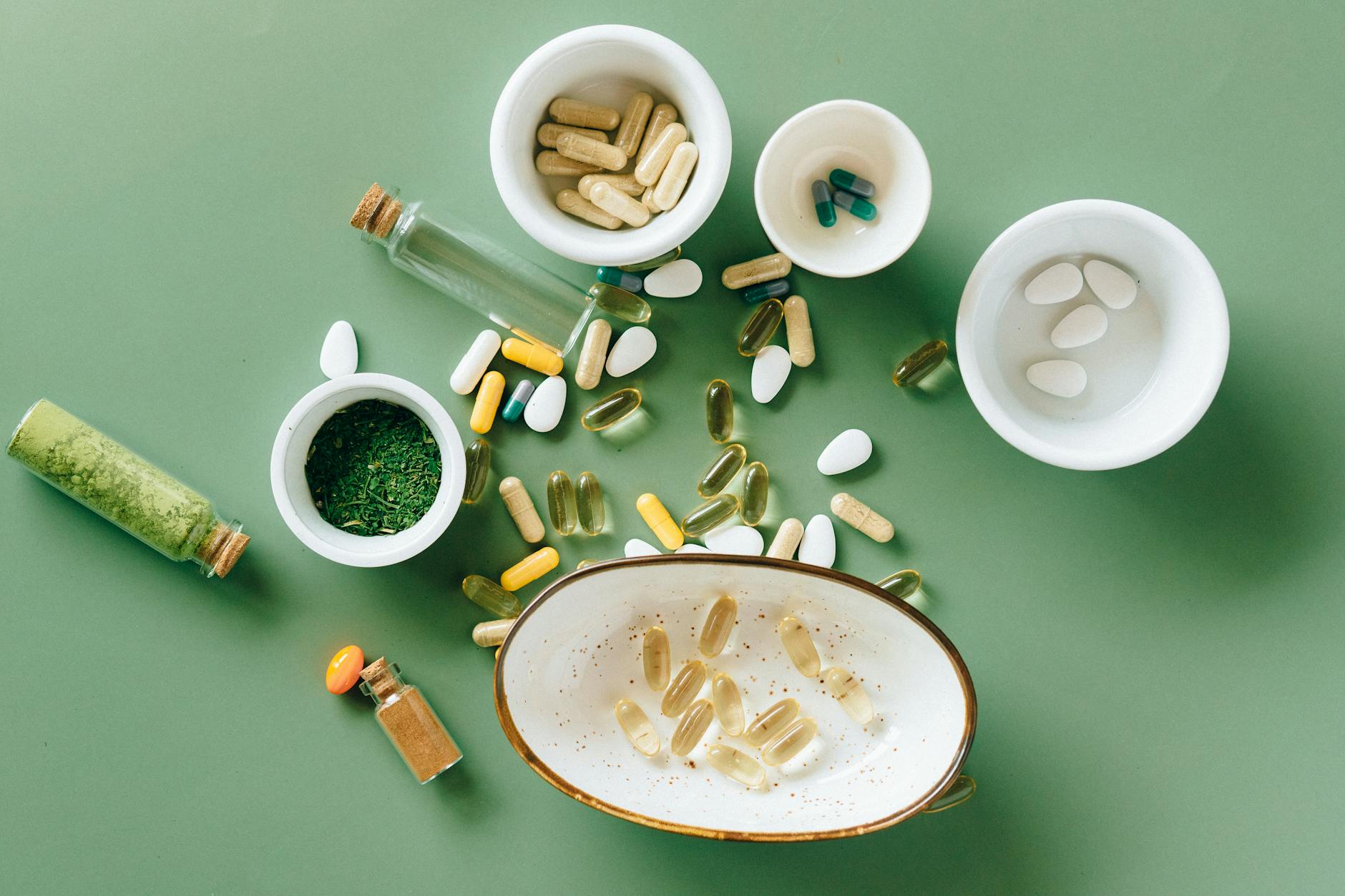
For healthy adults without a specific condition: the evidence does not support routine supplementation. Save the money.
For specific situations — after a course of antibiotics, managing IBS symptoms, during and after gastrointestinal illness — specific strains have demonstrated benefit. If you're considering probiotics for a specific issue, look for products with research behind the specific strains they contain (genus, species, and strain designation on the label) rather than just "billions of CFUs."
Prebiotic supplements (fiber-based products that feed existing bacteria) have a somewhat better evidence base for general use than probiotics, but food sources of prebiotic fiber are equally or more effective and far cheaper.
The Bottom Line
If you want to support your gut health in 2026, the evidence points to the same unglamorous fundamentals: eat more plants, eat more fiber, include fermented foods regularly, reduce ultra-processed foods, manage stress, sleep enough, and take antibiotics only when necessary.
The microbiome is genuinely fascinating science and likely to yield important clinical breakthroughs in the coming years. But the marketed shortcuts — expensive supplements, microbiome tests, elaborate protocols — are running well ahead of the evidence. The boring interventions remain the best ones.