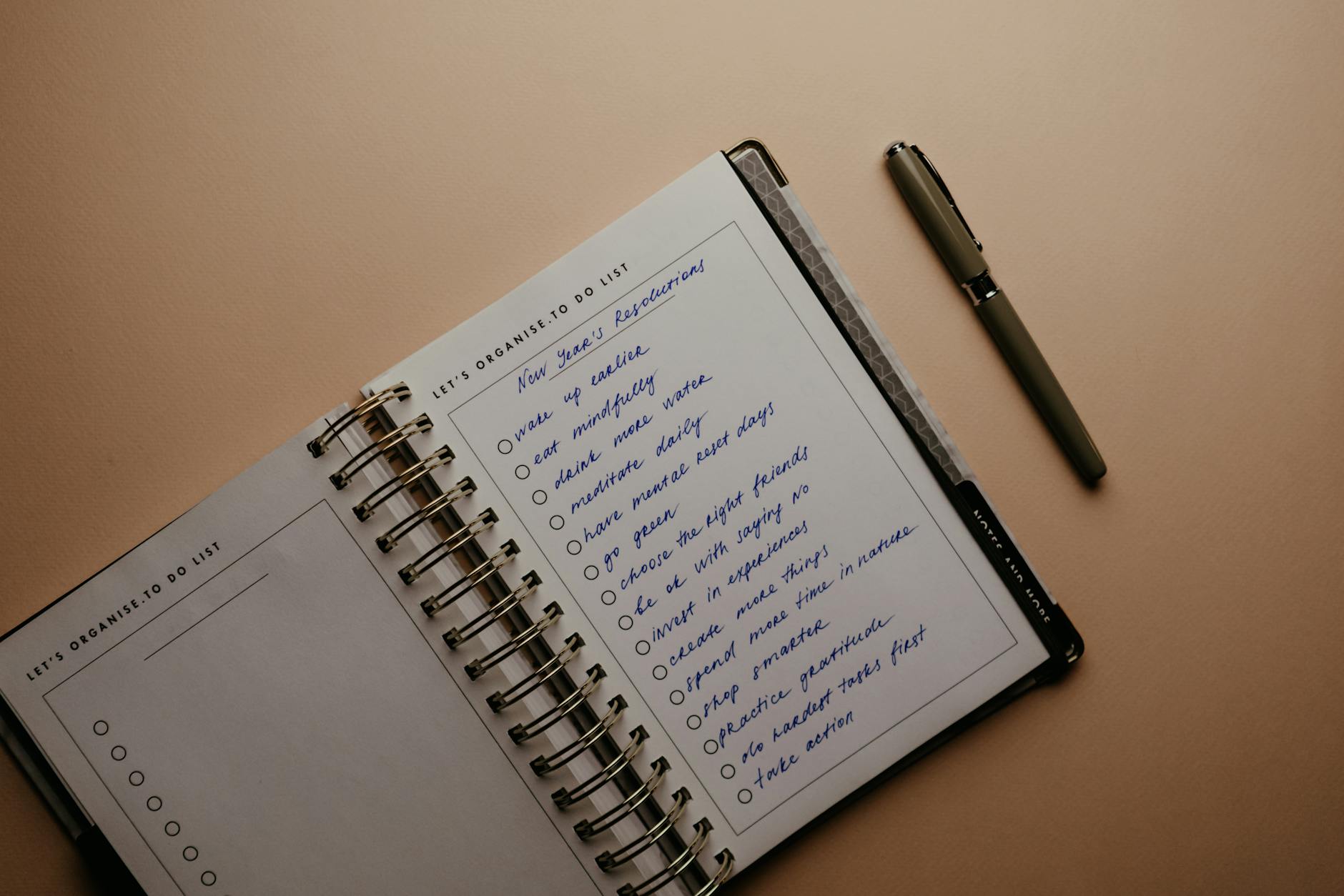
The Best Ways to Learn a New Skill Faster
Discover proven strategies to accelerate your learning curve and master any new skill in less time with these actionable techniques.

Published April 13, 2026 · Updated May 18, 2026

Whether you want to pick up a musical instrument, learn to code, speak a new language, or master public speaking, there's one universal truth: nobody wants the learning process to take forever. The good news is that science has a lot to say about how we learn — and most of us are doing it wrong. By applying a handful of evidence-based strategies, you can dramatically cut the time it takes to go from complete beginner to genuinely competent. Let's break down the best ways to learn a new skill faster so you can stop spinning your wheels and start making real progress.
Understand How Learning Actually Works
Before diving into tactics, it helps to understand what's happening in your brain when you learn something new. Every time you practice a skill, your brain strengthens specific neural pathways through a process called myelination. The more you repeat and refine a behavior, the thicker the myelin sheath around those neural connections becomes, making the signal faster and more efficient.
This is why repetition matters — but not just any repetition. Mindless repetition leads to plateaus. Deliberate, focused repetition is what drives real improvement. A landmark study by psychologist K. Anders Ericsson found that what separates elite performers from average ones isn't just the number of hours practiced, but the quality of that practice. This concept, known as deliberate practice, is the foundation of nearly every accelerated learning strategy.
Break the Skill Into Sub-Skills
One of the biggest mistakes people make is trying to learn a skill as a single, monolithic thing. "Learning guitar" isn't one skill — it's dozens of sub-skills: chord transitions, strumming patterns, finger picking, music theory, rhythm, ear training, and more.
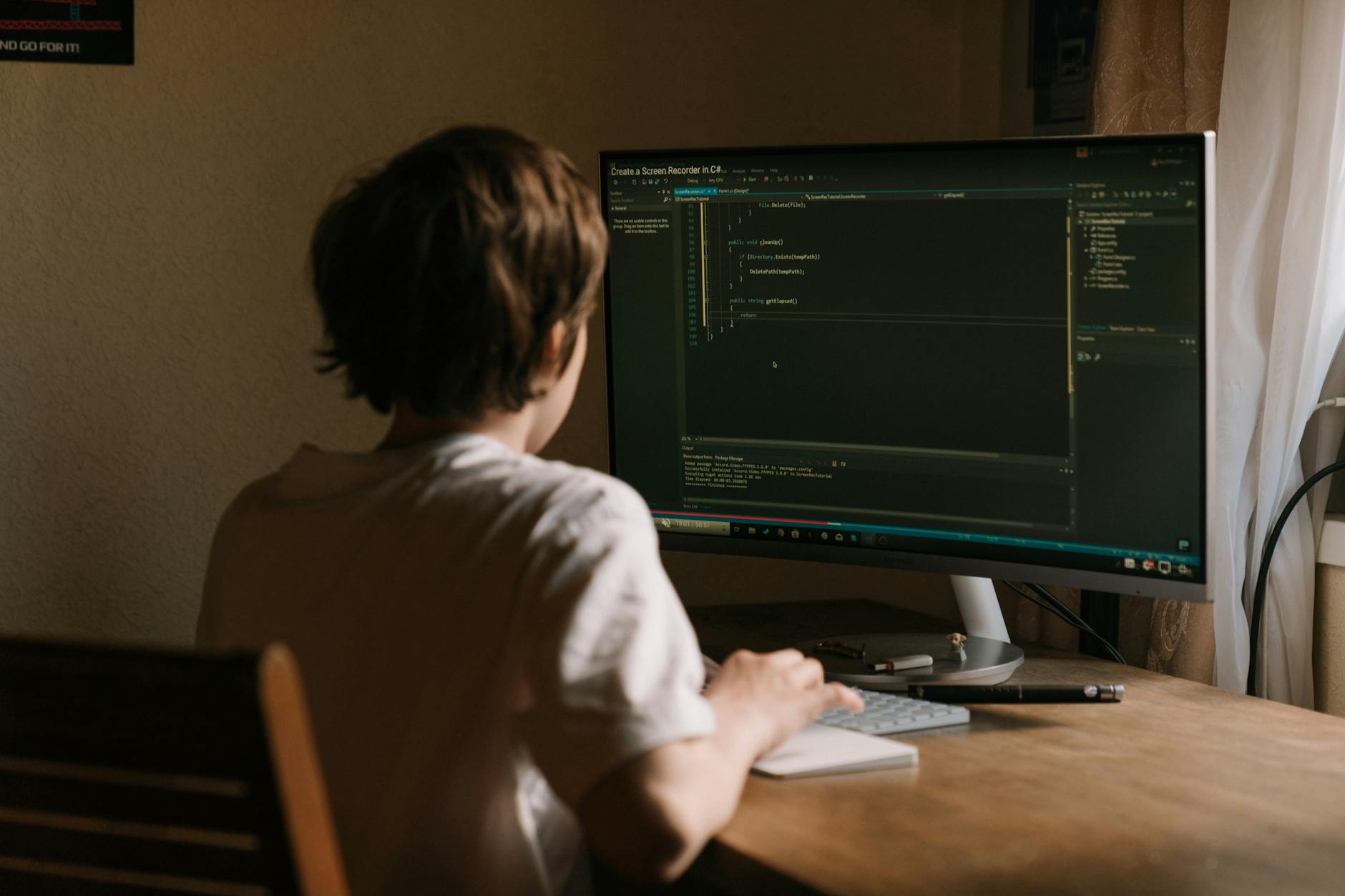
The fastest learners break a complex skill into its smallest components and then identify which sub-skills will give them the most results. Author Tim Ferriss calls this "deconstructing" a skill, and it's a game-changer.
Here's how to do it:
Read also
Simple Ways to Build Better Daily Habits- List all the components of the skill you want to learn.
- Identify the 20% of sub-skills that will deliver 80% of the results (the Pareto Principle).
- Focus on those high-impact sub-skills first before moving on to the rest.
For example, if you're learning Spanish for an upcoming trip, you don't need to master the subjunctive tense. Instead, focus on the 1,000 most common words, basic verb conjugations, and essential travel phrases. That alone will get you surprisingly far.
Use the Power of Focused Practice Sessions
Long practice sessions might feel productive, but research suggests shorter, highly focused sessions are far more effective. A study published in the journal Nature Neuroscience found that taking short breaks during learning allows the brain to rapidly replay and consolidate new information — a process that happens up to 20 times faster during rest than during active practice.
The Ideal Practice Structure
- Set a timer for 25–50 minutes of uninterrupted, focused practice.
- Eliminate all distractions — close your phone, shut the door, turn off notifications.
- Take a 5–10 minute break and let your brain process what you just practiced.
- Repeat for 2–3 cycles per session.
This mirrors the popular Pomodoro Technique and works because your brain can only sustain deep focus for limited periods. Pushing past that point leads to diminishing returns and frustration.
Read also
10 Habits That Will Transform Your LifeEmbrace Struggle (It Means It's Working)
Here's something counterintuitive: if learning feels easy, you're probably not learning much. The brain builds stronger connections when it's challenged. Psychologists call this "desirable difficulty" — the sweet spot where the task is hard enough to stretch you but not so hard that you shut down entirely.

Think of it like lifting weights. If the barbell is too light, your muscles won't grow. If it's impossibly heavy, you'll just hurt yourself. The growth happens at the edge of your current ability.
Practical ways to introduce desirable difficulty:
- Test yourself before you feel ready. Retrieval practice (actively recalling information) is one of the most powerful learning tools known to science.
- Mix up your practice. Instead of drilling one thing repeatedly, interleave different sub-skills. It feels harder in the moment but produces better long-term retention.
- Remove the training wheels early. If you're learning to cook, stop following recipes step-by-step and start improvising sooner than feels comfortable.
Get Feedback Fast and Often
You can't improve what you can't measure. Without feedback, you might practice the wrong technique for weeks and build bad habits that are harder to unlearn than the skill itself.
Sources of Fast Feedback
- A coach, mentor, or teacher — Even a few sessions with an expert can save you months of trial and error.
- Video recording yourself — This is incredibly effective for physical skills like sports, dancing, or public speaking. Watching yourself reveals blind spots you'd never notice otherwise.
- Apps and tools — Language apps like Duolingo give instant feedback on pronunciation. Coding platforms like freeCodeCamp test your code in real time. Use technology to your advantage.
- Peer groups — Join a community of fellow learners. Reddit forums, Discord servers, and local meetup groups can provide accountability and honest critiques.
The key is to shorten the feedback loop as much as possible. The faster you know what's working and what isn't, the faster you adjust and improve.
Teach What You Learn
If you really want to cement a new skill, try explaining it to someone else. This technique, sometimes called the Feynman Method (named after physicist Richard Feynman), forces you to organize your knowledge, identify gaps in your understanding, and simplify complex ideas.

You don't need a formal audience. You can:
- Explain the concept to a friend over coffee
- Write a blog post or social media thread about what you learned
- Record a short video tutorial, even if nobody watches it
- Simply talk through the idea out loud as if teaching an imaginary student
The act of teaching transforms passive knowledge into active understanding, and it's one of the most underrated accelerators in the learning toolkit.
Prioritize Sleep and Recovery
This might sound like generic wellness advice, but it's directly tied to skill acquisition. During sleep — particularly during deep sleep and REM cycles — your brain consolidates the day's learning, strengthens neural pathways, and prunes unnecessary information. A study from Harvard Medical School found that people who slept after learning a new motor task showed a 20% improvement in performance the next day, while those who stayed awake showed no improvement at all.
Skipping sleep to squeeze in more practice is one of the worst things you can do for learning. You're essentially telling your brain to throw away the work you just put in.
Set a Deadline and Create Stakes
Open-ended goals are where motivation goes to die. "I want to learn photography someday" will never compete with "I'm shooting my friend's engagement photos in eight weeks."

Deadlines create urgency, and urgency forces you to prioritize. Pair your deadline with real stakes — tell someone about your goal publicly, sign up for a performance or competition, or commit to a project with a due date.
When the learning has consequences, you show up differently. You practice with more intention, skip the fluff, and focus on what actually matters.
Putting It All Together
Learning a new skill faster isn't about grinding harder or spending more hours at your desk. It's about being strategic with how you spend your practice time. Deconstruct the skill, focus on high-impact sub-skills, practice with intensity, seek fast feedback, teach what you learn, and protect your sleep.
The people who seem to pick things up effortlessly aren't gifted — they've just figured out how to work with their brain instead of against it. Now you have the same playbook. The only question left is: what skill are you going to tackle first?