Why 'Bare Minimum Mondays' Are More Productive Than You Think
The Gen Z trend of doing the minimum on Mondays went viral for the wrong reasons. The actual psychology behind it is something productivity researchers have known for years.

June 17, 2026
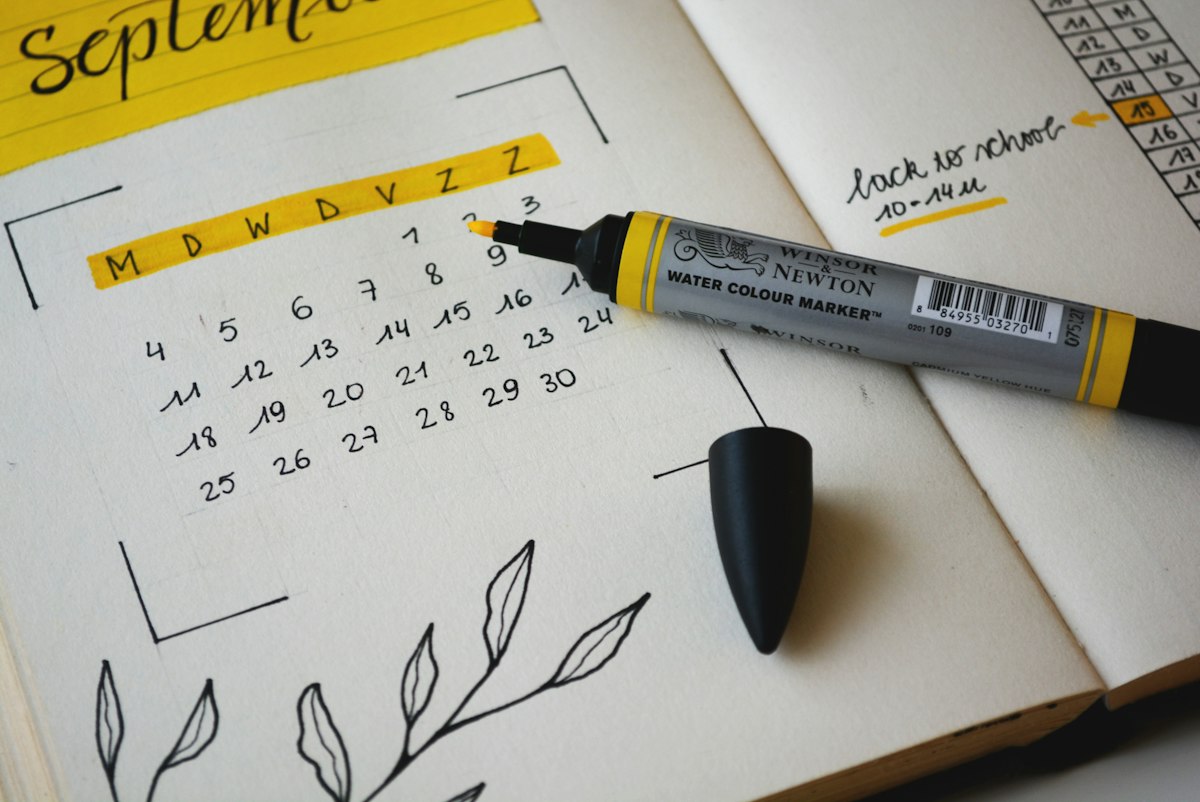
When the "Bare Minimum Monday" trend went viral on TikTok, the response from workplace commentators was predictably dismissive: lazy millennials (wrong generation, but the point stands), entitlement, quiet quitting dressed up in new language.
What those reactions missed is that the underlying principle — strategically reducing cognitive load at the start of the week — is actually supported by productivity research. The viral framing was imprecise, but the instinct wasn't wrong.
What Bare Minimum Monday Actually Means
The original concept, popularized by TikTok creator Marisa Jo Mayes, wasn't about doing as little as possible and calling it a day. It was about removing the pressure of Monday as a "fresh start" — the idea that Monday must be a sprint, a reset, a grand recommitment to everything you want to be.
Her point: the Sunday anxiety produced by the anticipation of an intense Monday is itself a productivity drain. The pressure to "crush it" on Monday creates a cortisol spike that bleeds backward into the weekend, ruining rest, and forward into the week, making it harder to actually perform.
The "bare minimum" was about doing what's needed, without the performance pressure layered on top.
The Neuroscience of Ramp-Up Time
Human cognitive performance doesn't work like a light switch. Research on the brain's arousal systems — the complex interplay of noradrenaline, dopamine, and cortisol — shows that peak cognitive performance typically requires 1–2 hours of building activation.

Most people try to fight this. They schedule high-stakes meetings for 9 AM Monday, front-load the week with critical deliverables, and treat grogginess as laziness to be overcome by force of will.
The evidence doesn't support this approach. A 2019 study in the Journal of Applied Psychology found that task difficulty tolerance — how well people handle challenging cognitive work — peaks on average on Tuesday and Wednesday mornings for most office workers. Monday performance, particularly in the first half of the day, lags meaningfully behind.
Working against this biology doesn't make you more productive. It makes you feel busier while producing worse output.
What High Performers Actually Do on Mondays
I've worked with enough high-output professionals to notice a pattern: the people who consistently perform at the highest level treat Monday morning almost universally as a planning and orientation day, not an execution day.
They review the week ahead. They clear inboxes. They attend team syncs. They handle low-stakes administrative tasks. They deliberately build toward peak intensity rather than demanding it immediately.
This isn't laziness — it's sequencing. By Tuesday morning, they're operating at full capacity with a clear plan, full context on the week's priorities, and none of the cortisol debt produced by forcing a sprint before the body is ready.
The Sunday Anxiety Problem Is Real
The deeper insight in the Bare Minimum Monday trend is about Sunday. For a significant portion of workers, Sunday afternoon and evening is dominated by anticipatory anxiety about Monday — mentally rehearsing the week, dreading specific meetings, feeling pressure to be "ready."

This is a form of unpaid cognitive labor that generates real psychological costs: diminished rest quality, reduced time for recovery, and a worse mood going into the week. The research on this is consistent. A 2020 study in PLOS ONE found that Sunday evening cortisol levels were higher than any other evening of the week — including Friday — for people with high work pressure.
Anything that reduces Sunday anxiety has a positive compounding effect on the entire week. Knowing that Monday can be a ramp-up day rather than a performance test is genuinely valuable as a mental frame.
How to Implement This Without Falling Behind
Bare Minimum Monday works as a productivity strategy, not a slacking strategy. The difference is intentionality:
Schedule your hard work for Tuesday–Thursday. These are generally the highest-capacity days of the week. Deep work, creative problem-solving, important negotiations — these belong in the middle of the week.
Use Monday morning for planning and triage. What are this week's three most important outcomes? What's blocking progress? What can be delegated or dropped? Forty-five minutes of clear-headed planning on Monday morning is worth more than a frenzied morning of reactive email.
Protect Sunday evenings deliberately. The goal of Bare Minimum Monday isn't just about Monday — it's about recovering Sunday. If Monday is low-stakes, Sunday becomes genuinely restful.
Don't conflate low intensity with low quality. The work you do on Monday should still be done well. The difference is that you're doing appropriate work — not the hardest cognitive challenges of the week.
The Bigger Picture
The Bare Minimum Monday conversation is really part of a larger and more important discussion about how knowledge workers structure their time. Decades of "hustle culture" messaging have convinced enormous numbers of people that grinding harder at the wrong time is the path to output. The research on cognitive performance doesn't agree.

The most productive people aren't the ones who work the longest hours at maximum intensity seven days a week. They're the ones who understand their own energy patterns and structure their work to match them.
Calling it "bare minimum" was a provocation, not a prescription. The actual idea — work with your biology, not against it — is just good practice.