What Climate Change Is Really Doing to Our Oceans
Rising temps, acidifying waters, and dying reefs — here's what climate change is truly doing to our oceans and what you can do about it.

April 13, 2026
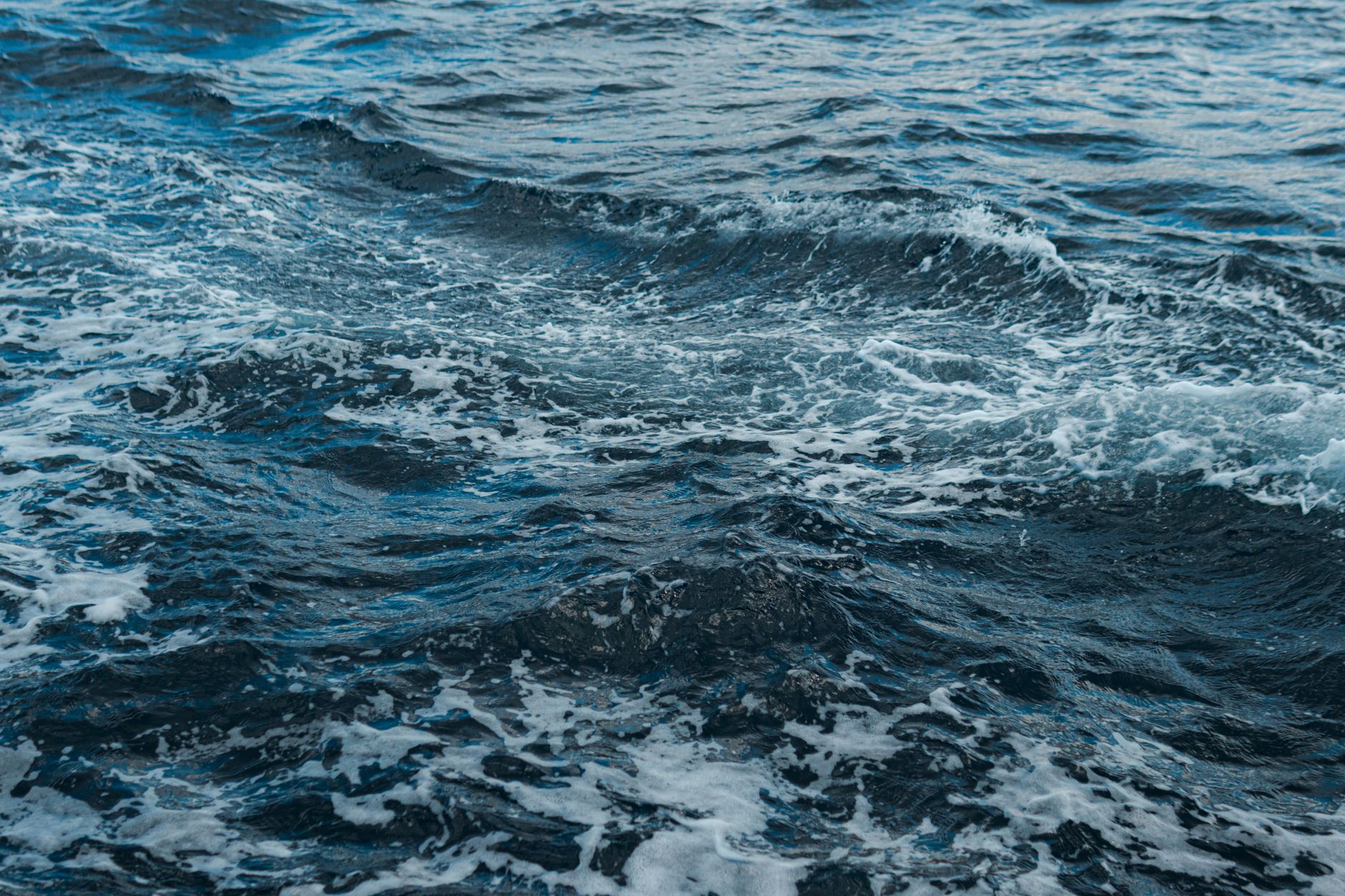
The ocean has always been Earth's great regulator — absorbing heat, cycling nutrients, and generating the oxygen in every other breath you take. But right now, our oceans are under a level of stress that hasn't been seen in millions of years. Climate change isn't just warming the air above us; it's fundamentally reshaping the chemistry, temperature, and biology of the vast blue world that covers more than 70% of our planet. And the consequences are arriving faster than most scientists predicted even a decade ago.
Let's break down exactly what's happening beneath the surface, why it matters to every single person on the planet, and what we can realistically do about it.
The Ocean Is Absorbing Our Excess Heat
Here's a number that should stop you in your tracks: according to the Intergovernmental Panel on Climate Change (IPCC), the ocean has absorbed more than 90% of the excess heat generated by greenhouse gas emissions since the 1970s. That's an almost incomprehensible amount of thermal energy being funneled into our seas.
This heat absorption has led to:
- Rising sea surface temperatures — Global ocean surface temperatures hit record highs in 2023 and 2024, with some regions warming two to three times faster than the global average.
- Marine heatwaves — Prolonged periods of abnormally warm ocean water are becoming more frequent and intense, devastating marine life that can't adapt quickly enough.
- Thermal expansion — Warmer water takes up more space. This alone accounts for roughly one-third of current sea level rise, even before melting ice sheets enter the equation.
The deep ocean is warming too. Waters more than 2,000 meters below the surface are absorbing heat that will persist for centuries, meaning even if we stopped all emissions today, the ocean would continue warming for generations.
Ocean Acidification: The "Other CO₂ Problem"
When carbon dioxide dissolves in seawater, it forms carbonic acid. Since the Industrial Revolution, the ocean has absorbed roughly 30% of all human-produced CO₂, causing ocean pH to drop by about 0.1 units. That might sound minor, but pH is measured on a logarithmic scale — this represents a 26% increase in acidity.

Why This Matters
Ocean acidification directly threatens organisms that build shells and skeletons from calcium carbonate. That includes:
- Coral reefs — The structural foundation of some of the most biodiverse ecosystems on Earth
- Shellfish — Oysters, mussels, clams, and scallops that millions of people depend on for food and livelihood
- Plankton — Tiny organisms at the base of the marine food web, including pteropods (sometimes called "sea butterflies") whose shells are literally dissolving in increasingly acidic waters
A 2020 study published in Nature Climate Change found that if CO₂ emissions continue on their current trajectory, ocean acidity could increase by 150% by 2100 compared to pre-industrial levels. That's a chemical shift the ocean hasn't experienced in at least 20 million years.
Coral Reefs Are in Crisis
Coral reefs support approximately 25% of all marine species, yet they cover less than 1% of the ocean floor. They're also among the most climate-sensitive ecosystems on the planet.
When water temperatures rise just 1–2°C above the normal summer maximum, corals expel the symbiotic algae living in their tissues — a phenomenon known as coral bleaching. Without these algae, corals lose their color, their primary food source, and eventually die if conditions don't improve quickly.
The mass bleaching events of 2016, 2017, 2020, 2024, and 2025 have collectively damaged more than 70% of the world's reef systems. Australia's Great Barrier Reef has experienced back-to-back bleaching events with barely enough time for partial recovery between them.
What Losing Reefs Means for People
- Food security — Roughly 500 million people worldwide depend on coral reef fisheries for protein and income.
- Coastal protection — Healthy reefs absorb up to 97% of wave energy, shielding shorelines from storms and erosion.
- Economic value — Reef-related tourism and fisheries generate an estimated $375 billion annually.
Rising Seas and Shifting Currents
Global sea levels have risen approximately 20 centimeters (about 8 inches) since 1900, and the rate is accelerating. Current projections suggest an additional rise of 30 to 110 centimeters by 2100, depending on emissions scenarios.

This isn't just a future problem. Right now:
- Low-lying island nations like Tuvalu, the Maldives, and the Marshall Islands face existential threats from rising waters and saltwater intrusion into freshwater supplies.
- Coastal cities including Miami, Jakarta, Mumbai, and Shanghai are investing billions in flood defenses while confronting the reality that some areas may become uninhabitable.
- Wetlands and estuaries — critical nursery habitats for fish and natural carbon sinks — are being swallowed by advancing saltwater.
Meanwhile, ocean circulation patterns are showing signs of disruption. The Atlantic Meridional Overturning Circulation (AMOC), which includes the Gulf Stream and plays a vital role in regulating European and North American climate, has weakened by an estimated 15% since the mid-20th century. A significant slowdown or collapse would trigger dramatic shifts in weather patterns, fisheries, and sea levels across the Northern Hemisphere.
Deoxygenation: The Ocean Is Losing Its Breath
Warmer water holds less dissolved oxygen. Since 1960, the ocean has lost roughly 2% of its total oxygen content — and oxygen-depleted "dead zones" have quadrupled in size. Marine species from tuna to crabs are being squeezed into shrinking habitable zones, intensifying competition for food and space.
This deoxygenation is particularly devastating in deeper waters and near coastlines, where nutrient runoff from agriculture compounds the problem. The result is an ocean that is becoming increasingly inhospitable to the complex web of life it has sustained for hundreds of millions of years.
What Can You Actually Do About It?
It's easy to feel overwhelmed by the scale of ocean-climate problems, but individual and collective action genuinely matters. Here's where to start:

- Reduce your carbon footprint — Drive less, fly less, switch to renewable energy where possible, and eat a more plant-based diet. Animal agriculture is a major contributor to greenhouse gas emissions.
- Support sustainable seafood — Use guides like the Monterey Bay Aquarium's Seafood Watch to choose fish and shellfish harvested responsibly.
- Reduce plastic use — Ocean plastic pollution compounds climate stress on marine ecosystems. Carry reusable bags, bottles, and containers.
- Vote and advocate — Support political candidates and policies that prioritize emissions reductions, marine protected areas, and ocean conservation funding.
- Educate and share — Talk about ocean health with friends, family, and your community. Awareness drives action.
- Support ocean-focused organizations — Groups like the Ocean Conservancy, Coral Restoration Foundation, and Oceana do critical work that depends on public funding and volunteer support.
The Bottom Line
The ocean has been silently shouldering the burden of our carbon emissions for decades, but the signs of strain are now impossible to ignore. Warming waters, acidification, deoxygenation, coral death, and rising seas aren't distant predictions — they are documented, measurable, and accelerating realities.
The good news is that the ocean is remarkably resilient when given the chance. Marine ecosystems can recover, coral can regrow, and fish populations can rebound — but only if we dramatically reduce the pressures we're placing on them. The window for meaningful action is still open, but it's closing faster than most of us realize. What we do in the next decade will determine the fate of the ocean for centuries to come.