AI's Impact on Education: Why Teachers Say It Will Rival the Internet and Computers
Teachers across the globe believe AI will transform education as profoundly as the internet and computers did. Here's what that shift looks like in 2026.

June 5, 2026
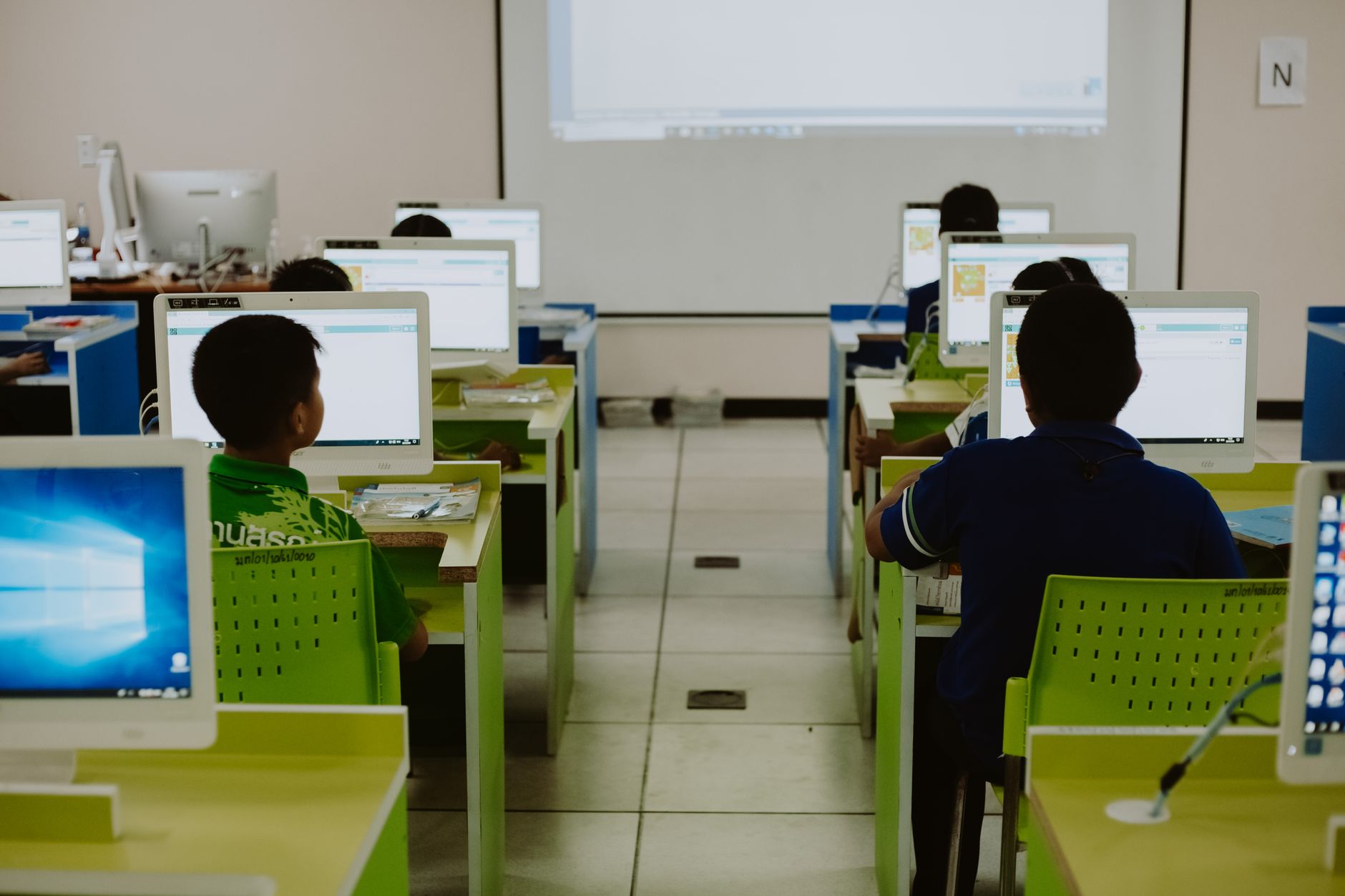
When the internet first entered classrooms in the 1990s, skeptics dismissed it as a distraction. When personal computers became standard in schools, critics worried students would forget how to think for themselves. Both technologies went on to fundamentally reshape how we teach and learn. Now, in 2026, a growing chorus of educators is saying the same thing about artificial intelligence — and the data backs them up. A 2025 survey by the Walton Family Foundation and Impact Research found that 65% of teachers believe AI will have a transformative impact on education comparable to the internet and personal computers. The question is no longer if AI will change education, but how — and whether we'll get it right.
The Classroom Is Already Changing
If you walked into a typical classroom five years ago, you'd see students taking notes, teachers lecturing from slides, and maybe a few laptops open for research. Walk into a forward-thinking classroom in 2026, and the picture is strikingly different.
Teachers are using AI-powered tools to:
- Generate personalized lesson plans tailored to different learning levels within the same class
- Provide instant feedback on student writing, math problems, and coding assignments
- Identify struggling students earlier through predictive analytics that flag patterns humans might miss
- Automate administrative tasks like grading multiple-choice tests, tracking attendance, and writing progress reports
Tools like Khan Academy's Khanmigo, Google's LearnLM, and a wave of newer platforms have moved beyond the experimental phase. They're now integrated into daily instruction in thousands of school districts across the United States and internationally. Teachers aren't being replaced — they're being freed up to do what they do best: connect with students, facilitate discussions, and mentor young people through complex challenges.
Why Teachers Are Drawing the Internet Comparison
The comparison to the internet isn't hyperbole. Educators who have lived through multiple waves of technology adoption see genuine parallels.

Access to Information vs. Access to Personalization
The internet democratized access to information. Suddenly, a student in rural Kansas could read the same research papers as a student at a prep school in Manhattan. AI is doing something arguably even more powerful: it's democratizing personalization. Before AI, truly individualized instruction was a luxury — something only available through expensive private tutoring or small class sizes that most schools couldn't afford.
Now, an AI tutor can meet a seventh grader exactly where they are in algebra, adjust the difficulty of practice problems in real time, and explain concepts in multiple ways until something clicks. That's not replacing the teacher. That's giving every student a supplemental tutor that works 24/7.
The Productivity Leap
Teachers consistently report that AI saves them between 5 and 10 hours per week on administrative and planning tasks. That's time they're reinvesting into direct student interaction, creative lesson design, and their own professional development. Much like email and learning management systems streamlined communication in the early 2000s, AI is streamlining the labor-intensive backend of teaching.
Real Examples from Real Classrooms
Here are a few concrete ways AI is showing up in schools right now in 2026:
-
Adaptive reading programs — Schools in Newark, New Jersey, are using AI-driven literacy platforms that adjust reading passages based on each student's comprehension level. Teachers report measurable gains in reading scores within a single semester.
-
AI-assisted special education — In several districts in Oregon, educators use AI tools to help draft and update Individualized Education Programs (IEPs), a process that traditionally consumed dozens of hours per student. The AI generates drafts based on assessment data, and teachers review and refine them.
-
Language learning breakthroughs — AI conversation partners are helping English language learners practice speaking without the anxiety of making mistakes in front of peers. Students in dual-language programs in Texas and California are logging significantly more practice hours outside of class.
-
College and career readiness — High school counselors are using AI to match students with scholarship opportunities, suggest career paths based on interests and aptitudes, and even help students draft college application essays (with appropriate guardrails around academic honesty).
The Concerns Are Real — And Worth Addressing
No honest conversation about AI in education ignores the risks. Teachers, parents, and policymakers are right to raise concerns, and several deserve serious attention:

- Academic integrity — When students can generate essays with a chatbot, how do we assess genuine learning? Many schools are shifting toward process-based assessment, oral exams, and portfolio models that emphasize thinking over output.
- Data privacy — AI tools collect enormous amounts of student data. Schools need robust policies governing what's collected, how it's stored, and who has access. In 2026, several states have enacted or strengthened student data privacy laws specifically addressing AI platforms.
- Equity gaps — Wealthier school districts adopt AI tools faster, risking a new digital divide. Federal and state funding initiatives are working to close this gap, but progress is uneven.
- Over-reliance on technology — Critical thinking, creativity, and interpersonal skills can't be outsourced to a machine. The best educators are using AI as a supplement, not a substitute, for human-driven instruction.
What Good AI Policy Looks Like in Schools
Districts that are getting this right tend to share a few characteristics:
- They involve teachers in selecting and evaluating AI tools — not just administrators
- They provide ongoing professional development, not just one-time training sessions
- They establish clear guidelines for student use, including when AI assistance is appropriate and when it isn't
- They audit tools for bias and accuracy on a regular basis
Practical Advice for Educators Getting Started
If you're a teacher or school leader who hasn't fully embraced AI yet, here's how to start without feeling overwhelmed:
- Pick one task to automate first. Grading rubric-based assignments, generating quiz questions, or drafting parent communication emails are all great entry points.
- Try the tools yourself before introducing them to students. Spend a week using an AI assistant for your own planning. You'll quickly learn its strengths and limitations.
- Talk openly with students about AI. They're already using it. Create a classroom culture where AI use is discussed honestly, with clear expectations.
- Connect with other educators. Online communities, district working groups, and conferences focused on AI in education are more active than ever in 2026. You don't have to figure this out alone.
- Stay critical. Not every AI tool is worth adopting. Evaluate each one based on evidence, not marketing hype.
The Bottom Line
The teachers comparing AI to the internet and computers aren't making a casual observation — they're recognizing a pattern. Every few decades, a technology comes along that doesn't just add a new tool to the classroom but fundamentally changes how learning happens. AI is that technology for this generation.

The difference this time is that we have the benefit of hindsight. We've seen what happens when technology is adopted without thoughtful planning, and we've seen what's possible when it's implemented well. The educators, administrators, and policymakers who lean into AI — critically, ethically, and with students at the center — will shape what education looks like for decades to come. And if the early results are any indication, there's a lot to be optimistic about.


