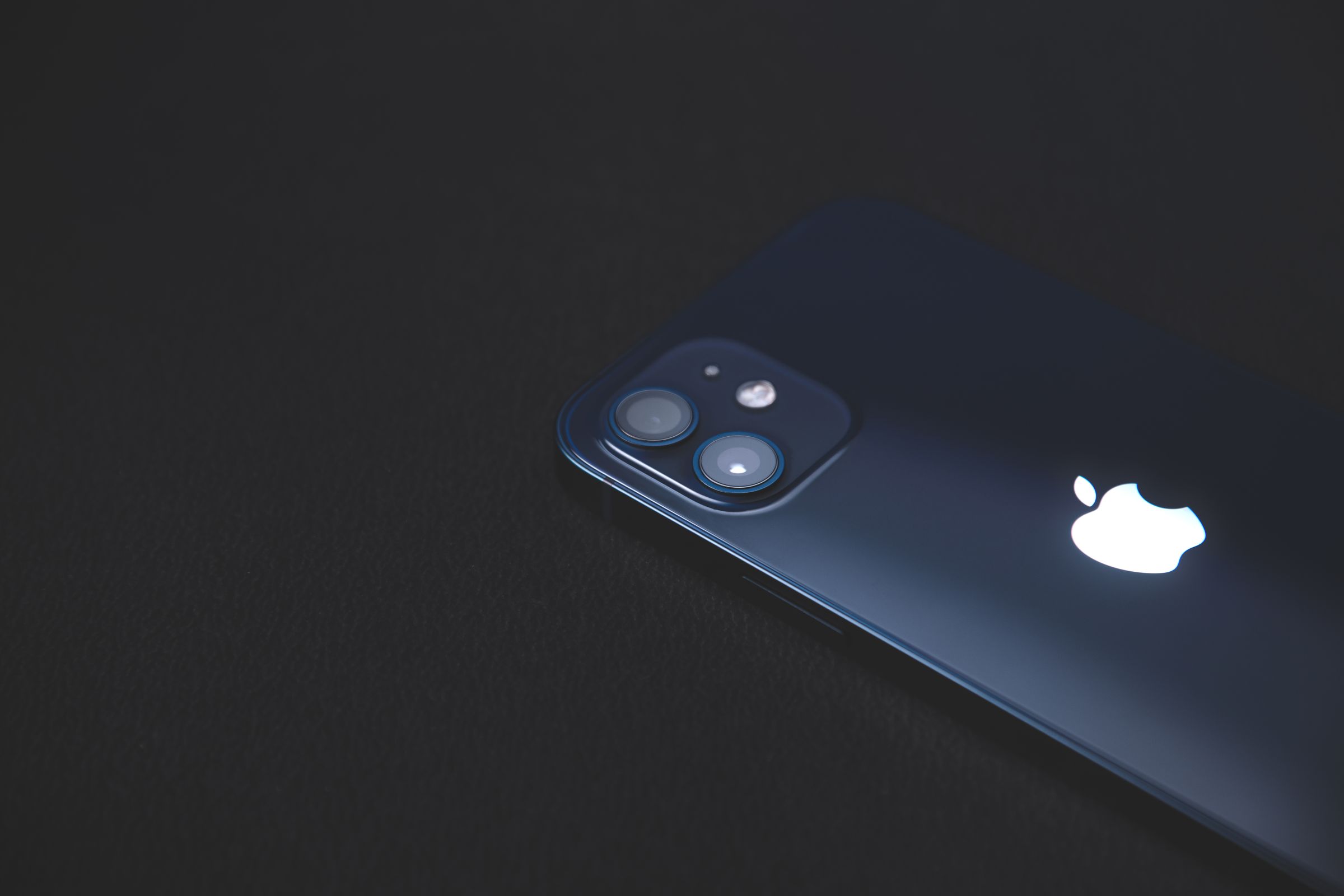
Apple announced the iPhone Duo at Apple Park on 9 September 2026 — its first foldable iPhone, seven years after Samsung shipped the original Galaxy Fold. It opens to a 7.6-inch inner display, closes to a 5.4-inch outer one, and starts at $1,999.
We have not tested this phone. Nothing below is presented as first-hand experience. What follows is separated into three parts on purpose: what Apple states on its own specification sheet, what reviewers who have handled the device measured or observed, and the places where those two accounts diverge. Every claim is attributed to where it came from.
What Apple Confirms
From Apple's iPhone Duo product page:
- Inner display: 7.6-inch Super Retina XDR with a nano-texture finish.
- Outer display: 5.4-inch Super Retina XDR.
- Both displays: 3,000 nits peak brightness, ProMotion up to 120Hz.
- Chip: A20 Pro, with a dual 16-core Neural Engine.
- Rear camera: a 48MP Dual Fusion system — 48MP Fusion Main plus 48MP Fusion Ultra Wide. Video up to 4K at 120fps.
- Front camera: 12MP Center Stage, plus an under-display FaceTime camera.
- Battery: up to 31 hours of video playback on the inner display, up to 44 hours on the outer one. Around 50% charge in about 20 minutes on fast wired charging.
- Materials: Grade 5 titanium frame and hinge cover, Ceramic Shield front and back.
- Durability: IP68 water and dust resistance.
- Unlock: Touch ID, built into the side button — not Face ID.
- Colours: Night Sky and Star White.
Two things Apple's page does not state: how thick the phone is, and how much it weighs. Those numbers come from reviewers, and they are below.
Price and Availability
Per MacRumors:

| Storage | Price | | --- | --- | | 256GB | $1,999 | | 512GB | $2,199 | | 1TB | $2,599 | | 2TB | $3,199 |
Read also
The Best Free Productivity AppsPre-orders open 16 October, shipping begins 23 October, across the US and more than 70 other countries. At $3,199 the top configuration is the most expensive iPhone Apple has sold.
What Reviewers Measured
The crease. This is the specification Apple did not publish and the one every reviewer went looking for. TechRadar's hands-on reports the crease is barely visible and cannot be felt when you run a finger across it, and attributes that partly to the nano-texture matte finish, which scatters the reflections that normally make a crease obvious.
Thickness and weight. SamMobile measured the iPhone Duo at 5.2mm unfolded and 11.3mm folded, weighing 254g. The Galaxy Z Fold 8, for comparison, is 4.5mm unfolded, 9.7mm folded, and 201g. Apple's first foldable is the thicker and heavier of the two.
The software. Tom's Guide's hands-on found the folding-specific software noticeably more finished than is usual for a first-generation device — which is the one advantage of having arrived seven years late.
Where the Accounts Diverge
This is the part a specification sheet will not tell you, and the reason to read a review before spending $1,999.

There is no telephoto lens. Apple's marketing leads with "48MP Dual Fusion". Dual is the operative word: a main and an ultra-wide, and no optical zoom at all. Tom's Guide notes that the Galaxy Z Fold 8 makes the same omission, and treats it as a deliberate trade to keep weight and thickness down on both phones. If you shoot at distance, the non-folding iPhone has a camera system this one does not.
"Thinnest iPhone ever" needs a qualifier. Apple describes the Duo as its thinnest iPhone, and unfolded at 5.2mm it is. Folded, it is 11.3mm — roughly two phones thick, which is what a foldable is. Both numbers are true; only one of them describes the phone in your pocket.
It is heavier than the competition it is priced above. 254g against the Fold 8's 201g is a 53g difference, which is noticeable in a jacket pocket over a day. Apple spends some of that weight on things Samsung does not offer: a titanium frame, and a full IP68 rating where the Fold 8 is rated for water but not dust. Whether that is a fair trade depends on where you carry a phone.
Touch ID, not Face ID. The side button houses Touch ID. On a phone that spends half its life folded shut, a fingerprint sensor on the edge is arguably the more practical choice — but it is a departure from every recent flagship iPhone, and worth knowing before you buy.
Who It Appears to Suit
Based on the published specifications and the hands-on reports:
- People who already carry both a phone and a small tablet, and would rather carry one thing.
- Anyone who has wanted a foldable but would not leave iOS for one. This is the first time that has not required a compromise.
- Readers for whom durability outranks weight — the titanium frame and IP68 rating are the clearest places Apple spent the extra grams.
It is a poor fit if you photograph anything at distance, if you want the lightest foldable available, or if $1,999 for a first-generation product in a category that is still changing quickly sounds like early-adopter pricing. It probably is.
The Short Version
Apple waited seven years and shipped a foldable that reviewers say has the best-hidden crease and the most finished software in the category. It also arrived thicker, heavier and more expensive than the Samsung it is competing with, and without a telephoto lens. None of that is hidden — but only the first half of it is in the advertising.

Sources
- Apple — iPhone Duo
- MacRumors — iPhone Duo pricing, pre-orders and release date
- Bloomberg — Apple's priciest iPhone Duo hits $3,199
- TechRadar — iPhone Duo hands-on
- Tom's Guide — iPhone Duo hands-on
- Tom's Guide — iPhone Duo vs Galaxy Z Fold 8
- Tom's Guide — 7 ways Samsung's wider foldable beats Apple
- SamMobile — iPhone Duo vs Galaxy Z Fold 8: weight and thickness compared