How to Invest Your First $1,000
Your first $1,000 investment won't make you rich overnight — but how you invest it will shape your financial habits for decades. Here's the smart approach.

May 24, 2026
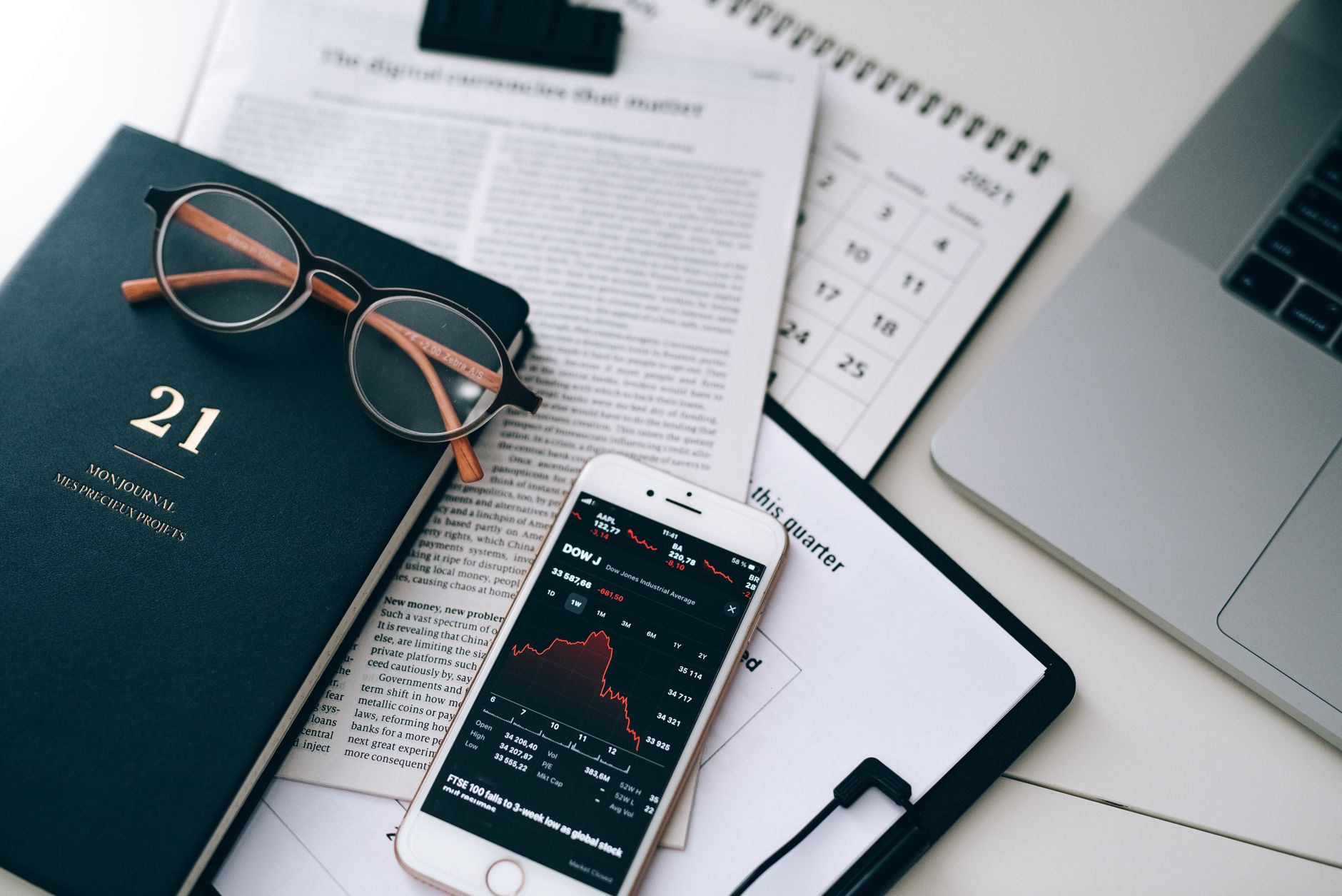
The first $1,000 you invest is the most important investment you will ever make — not because of the money itself, but because of the behavior it represents. Getting started is the hardest part. Every long-term investor you admire had a moment when they moved from knowing they should invest to actually doing it. This is that moment for you.
Before You Invest a Dollar
Before deploying $1,000 into the market, two things should be true:
You have no high-interest debt. Any debt with an interest rate above 7–8% — credit card debt, personal loans — should be paid off first. A 20% APR credit card balance is a guaranteed 20% annual loss. No investment reliably beats that rate of return.
You have at least a small cash buffer. Investing money you might need for rent or an emergency is dangerous. If the market drops 30% and you're forced to sell to cover expenses, you lock in losses. Keep at least $500–$1,000 accessible in savings before investing.
If both are true, you're ready.
Option 1: A Target-Date Index Fund (Best for Beginners)
For most first-time investors, a single target-date fund is the best starting point. You pick a fund roughly matching your expected retirement year — "Target Date 2055 Fund" if you plan to retire around 2055 — and it does everything else.
Read also
How to Invest Your First $1,000 in 2026
The fund automatically holds a diversified mix of stock and bond index funds, gradually shifting toward more conservative allocations as your retirement date approaches. You contribute money, the fund manages the rest.
Target-date funds are available through Vanguard, Fidelity, and Schwab with no minimum investment on many platforms. Fidelity's target-date funds have zero expense ratios on some index options — meaning you pay nothing in annual fees.
Option 2: S&P 500 Index Fund
If you have a longer time horizon and want direct equity exposure, an S&P 500 index fund is among the most consistently recommended starting investments.
These funds own small pieces of the 500 largest U.S. companies — Apple, Microsoft, Amazon, and 497 others. You get instant diversification across industries, zero active management risk, and historically strong returns: the S&P 500 has returned approximately 10% annually on average since 1926, including dividends.
Vanguard's VOO, Fidelity's FXAIX, and Schwab's SCHB are all low-cost options with expense ratios under 0.05% — meaning you pay less than $1 per year on a $1,000 investment in fees.
Option 3: Your Employer's 401(k) — If You Have One
If your employer offers a 401(k) with any matching contribution, prioritize this above all other options. A 50% match on contributions up to 6% of your salary is a guaranteed 50% immediate return on your money — nothing in the market comes close.

Contribute enough to capture the full employer match before investing anywhere else. This is free money, and not taking it is one of the most common financial mistakes.
Where to Open an Account
You'll need a brokerage account to invest outside of employer plans. The major options:
- Fidelity: No account minimums, excellent mobile app, strong customer service
- Vanguard: Best known for low-cost funds; interface is dated but functional
- Schwab: User-friendly, no minimums, good for beginners
- Robinhood: Simple interface but limited research tools; better for experienced investors
Opening any of these accounts takes 10–15 minutes online. You'll need your Social Security number, bank account information, and basic personal details.
What to Avoid With Your First $1,000
Individual stocks. Picking individual companies requires significant research and introduces concentration risk that diversified funds eliminate. Reserve individual stock picking for money you can afford to lose entirely.
Cryptocurrency. Crypto may have a place in a mature portfolio for some investors. It has no place as a first investment. The volatility is extreme, the regulatory landscape is uncertain, and the learning curve is steep.
Options and leveraged products. These are sophisticated instruments that can lose more than your initial investment. They are not appropriate for new investors regardless of what you've read online.
"Hot tips" and viral stocks. By the time retail investors hear about them, the price has already moved. This is not investing — it's speculation, and the odds are not in your favor.
The Psychological Side of Investing
Your first investment will likely drop in value at some point. Markets fluctuate constantly. When your $1,000 shows as $870 a few months after you invest, the instinct to sell and protect what's left is powerful. Resist it.
Every long-term investor has lived through multiple significant market drops — 2008, 2020, 2022. The ones who held through those drops recovered and came out ahead. The ones who sold locked in losses and often missed the recovery.
Time in the market beats timing the market. Your only job is to not sell during downturns.
The Compounding Effect Over Time
$1,000 invested at 8% average annual returns becomes:

- $2,159 after 10 years
- $4,661 after 20 years
- $10,063 after 30 years
- $21,724 after 40 years
That's without adding another dollar. Every additional contribution you make starts its own compounding journey. The math is on the side of investors who start early and stay consistent.