SpaceX's Historic IPO: Why Elon Musk Rushed to Take the Company Public
SpaceX finally went public in 2026 — but why now? Discover the financial pressures, strategic moves, and investor frenzy behind the most anticipated IPO in decades.

June 13, 2026
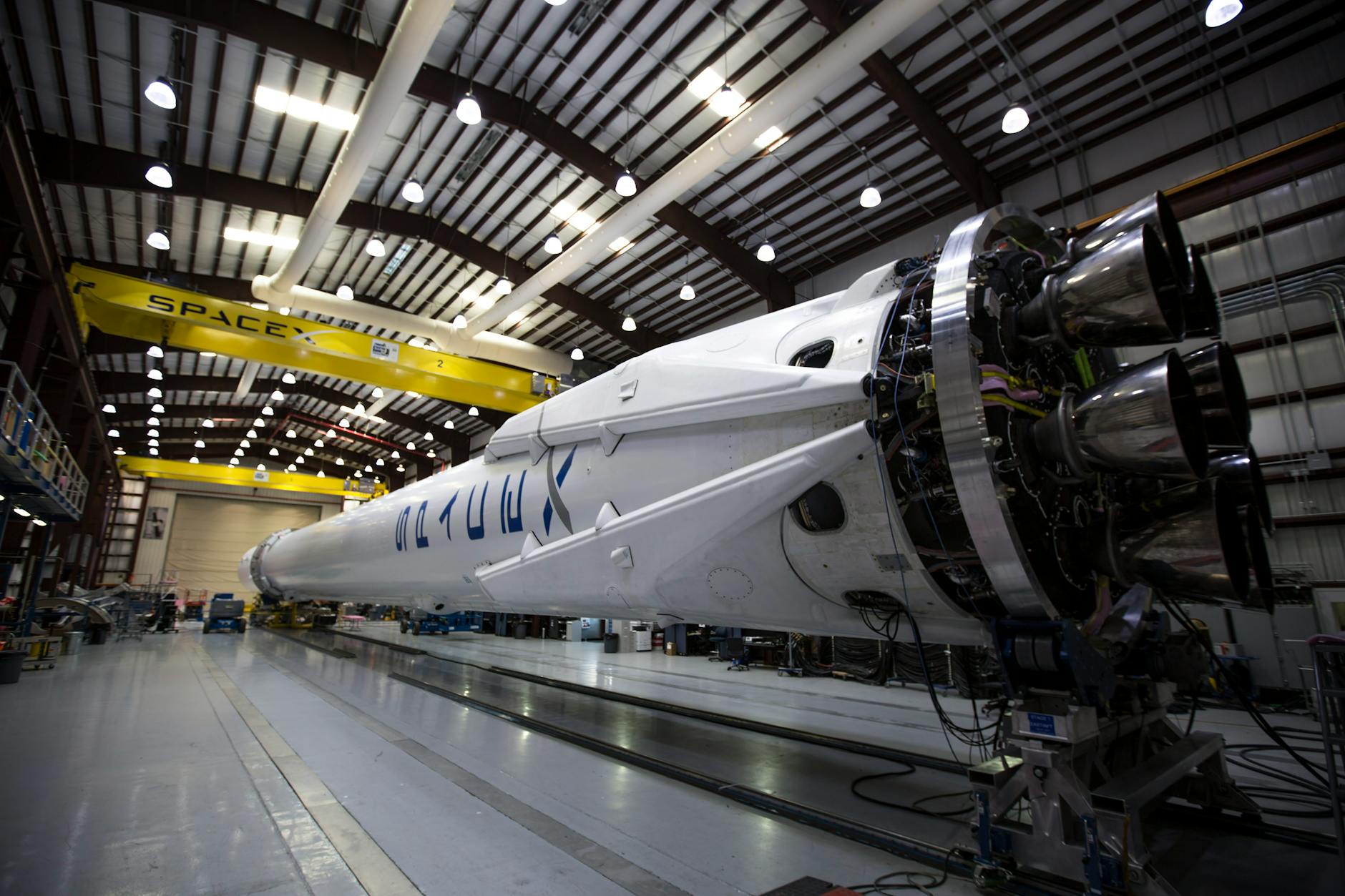
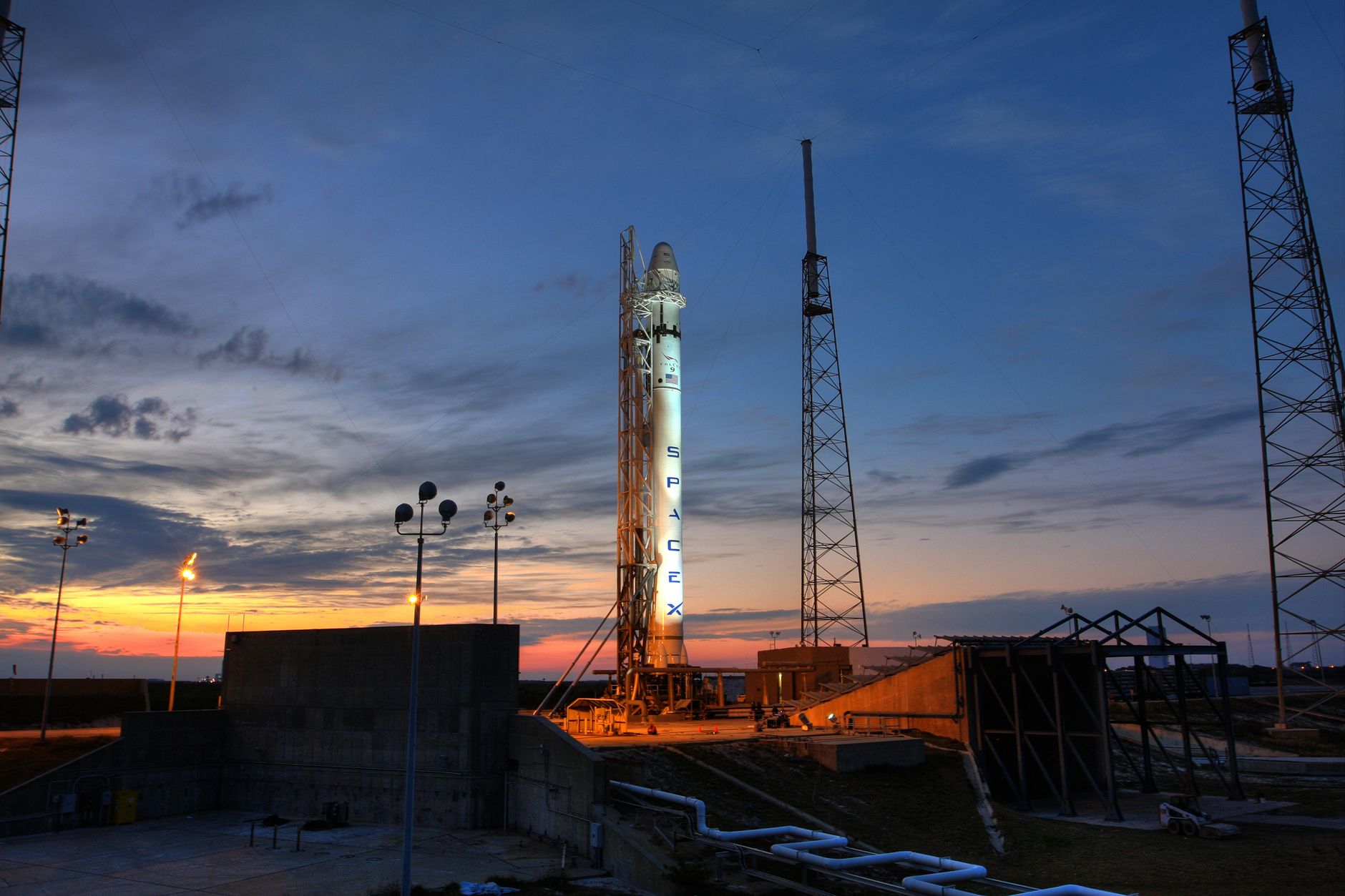
For years, Elon Musk swore he wouldn't take SpaceX public — at least not until the company was reliably flying missions to Mars. So when SpaceX officially filed its S-1 registration statement earlier in 2026 and began trading on the Nasdaq, the space industry and Wall Street collectively held their breath. What changed? The answer involves a perfect storm of financial pressures, strategic ambitions, and a rapidly closing window of opportunity that made 2026 the year Musk couldn't afford to wait any longer.
The Long Road to a Public Offering
SpaceX has been one of the most valuable private companies in the world for the better part of a decade. By late 2025, secondary market transactions valued the company at roughly $350 billion — a staggering figure that made it larger than most publicly traded aerospace firms combined. But staying private came with growing complications:
- Employee liquidity demands: Thousands of SpaceX engineers and early employees held stock options they couldn't easily sell. Retention was becoming a real problem as competitors like Blue Origin, Rocket Lab, and Relativity Space offered public equity packages.
- Capital intensity: Starship development, the Starlink satellite constellation expansion, and early-stage Mars mission planning required enormous ongoing capital expenditures — estimated at over $10 billion annually by 2025.
- Investor pressure: Long-term backers including Founders Fund, Google, and Fidelity had been waiting years for a liquidity event. Some funds were approaching the end of their investment lifecycle and needed exits.
Musk had historically resisted going public because he feared quarterly earnings pressure would compromise SpaceX's long-term, high-risk mission profile. But by early 2026, the calculus had shifted dramatically.
Why 2026 Was the Tipping Point
Starlink's Revenue Explosion
The single biggest factor behind the IPO timing was Starlink. SpaceX's satellite internet division reportedly crossed $12 billion in annualized revenue by Q1 2026, with over 6 million subscribers across more than 80 countries. Starlink transformed SpaceX from a launch services company with lumpy, contract-dependent revenue into a subscription-based business with predictable cash flows — exactly the kind of financial profile that public market investors love.
By packaging the IPO around Starlink's growth story, SpaceX could command a premium valuation while insulating its more speculative ventures (Mars colonization, Starship point-to-point travel) from the harshest scrutiny of quarterly analysts.
The Regulatory and Political Window
Timing also mattered from a regulatory standpoint. The current political environment in Washington has been broadly favorable toward commercial space ventures, with streamlined FAA licensing and bipartisan support for space infrastructure spending. Musk and his advisors recognized that this window might not stay open indefinitely. Taking SpaceX public while regulatory winds were favorable reduced one of the biggest risk factors investors might otherwise discount.
Competitive Pressure
The space economy is no longer a one-company show. According to a 2026 report from Morgan Stanley, the global space economy is projected to exceed $1.8 trillion by 2035, and competition for that market share is intensifying rapidly. Blue Origin has ramped up its New Glenn launch cadence, Rocket Lab continues to expand, and sovereign space programs from China and India are investing aggressively. Going public now gives SpaceX a war chest to stay ahead.
How the IPO Was Structured
SpaceX's IPO was notable for several unconventional choices:
- Dual-class share structure: Musk retained supervoting shares, giving him effective control over major company decisions. This mirrors what founders like Mark Zuckerberg and Larry Page did with their respective IPOs — ensuring long-term vision isn't hijacked by activist investors.
- Partial Starlink spin-off consideration dropped: Earlier rumors suggested SpaceX might spin Starlink out as a separate public entity. Ultimately, the company went public as a unified whole, arguing that the synergy between launch services and satellite operations was too valuable to separate.
- Direct listing hybrid: SpaceX used a modified direct listing combined with a primary capital raise, allowing existing shareholders to sell shares while also raising fresh capital for the company — reportedly in the range of $15–20 billion.
What This Means for Investors
If you're considering investing in SpaceX stock in 2026, here are some practical considerations:

- Understand what you're buying. SpaceX is not a pure-play rocket company. Starlink is the revenue engine. Launch services (Falcon 9, Falcon Heavy, Starship) and government contracts (NASA, Department of Defense) are critical but more volatile.
- Valuation is steep. At its opening price, SpaceX traded at a price-to-sales ratio well above traditional aerospace companies. You're paying a premium for growth, brand, and Musk's track record.
- Watch the Starship milestones. Starship's full reusability progress is perhaps the most important variable for long-term valuation. Successful orbital refueling demonstrations and payload deployments could unlock entirely new revenue categories.
- Consider your risk tolerance. SpaceX is still a company that literally launches rockets. Hardware failures, regulatory setbacks, or geopolitical disruptions to Starlink service could cause significant stock volatility.
Key Metrics to Monitor After IPO
| Metric | Why It Matters | |---|---| | Starlink subscriber growth | Core revenue driver and retention signal | | Launch cadence (per quarter) | Indicates operational reliability | | Starship test milestones | Unlocks next-gen revenue streams | | Government contract wins | Provides revenue stability | | Capital expenditure trends | Shows investment discipline vs. cash burn |
The Bigger Picture: What SpaceX's IPO Signals for the Space Industry
SpaceX going public isn't just a financial event — it's a cultural milestone. It validates commercial space as a mature, investable sector rather than a billionaire's hobby. Expect a ripple effect: smaller space startups will find it easier to raise venture capital, SPACs in the space sector (which had a rough stretch in 2022–2023) may see renewed interest, and institutional investors who previously avoided aerospace will start building space allocations into their portfolios.
For retail investors, SpaceX's IPO also democratizes access to a company that was previously only available to venture capitalists and sovereign wealth funds. That's a meaningful shift.
Final Thoughts
Elon Musk didn't rush to take SpaceX public on a whim. He waited until Starlink's revenue made the financial story compelling, until the regulatory environment was favorable, and until the competitive landscape demanded the capital that only public markets can provide at scale. Whether SpaceX stock becomes the next generational wealth builder or faces the turbulence that every high-growth company encounters, one thing is clear: this is the most consequential IPO of 2026, and possibly of the decade.

The question isn't whether SpaceX will change the space industry. It already has. The question now is whether public market investors have the patience to match Musk's timeline — one that stretches all the way to Mars.