Best Wearable Health Tech in 2026: Devices That Actually Track Your Metabolism
Smartwatches and health wearables have taken a massive leap forward. Here are the best devices of 2026 that go beyond step counting to track your real metabolic health.

Published April 13, 2026 · Updated May 18, 2026

For years, wearables tracked steps and heart rate. In 2026, they track your metabolism. The latest generation of health wearables can monitor blood glucose in real time, analyze your sleep architecture, and even estimate your biological age — all without a single blood draw.
Here's a breakdown of what's available, what actually works, and what to look for.
Why Metabolic Tracking Matters
Your metabolism — how your body converts food into energy — affects everything from your energy levels and weight to your risk of diabetes and heart disease. Traditional health checkups catch metabolic problems late, often after years of silent damage.
Continuous metabolic tracking lets you see how your body responds to specific foods, sleep patterns, stress, and exercise in real time. That feedback loop is something no annual physical can provide.
What to Look for in a Health Wearable in 2026
Before diving into specific devices, here's what separates genuinely useful health wearables from marketing gimmicks:
Continuous glucose monitoring (CGM) integration — The gold standard for metabolic insight. Look for devices that pair with a CGM sensor or have one built in.
Read also
How to Boost Your Metabolism After 40HRV (Heart Rate Variability) tracking — A measure of your nervous system's recovery and stress state. More meaningful than resting heart rate alone.
Sleep stage analysis — Not just duration, but deep sleep, REM, and how long it takes you to fall asleep.
Skin temperature sensing — Useful for detecting illness, ovulation cycles, and inflammation.
VO2 max estimation — A strong predictor of long-term cardiovascular health.
Top Wearable Categories in 2026
Smartwatches with Advanced Health Suites
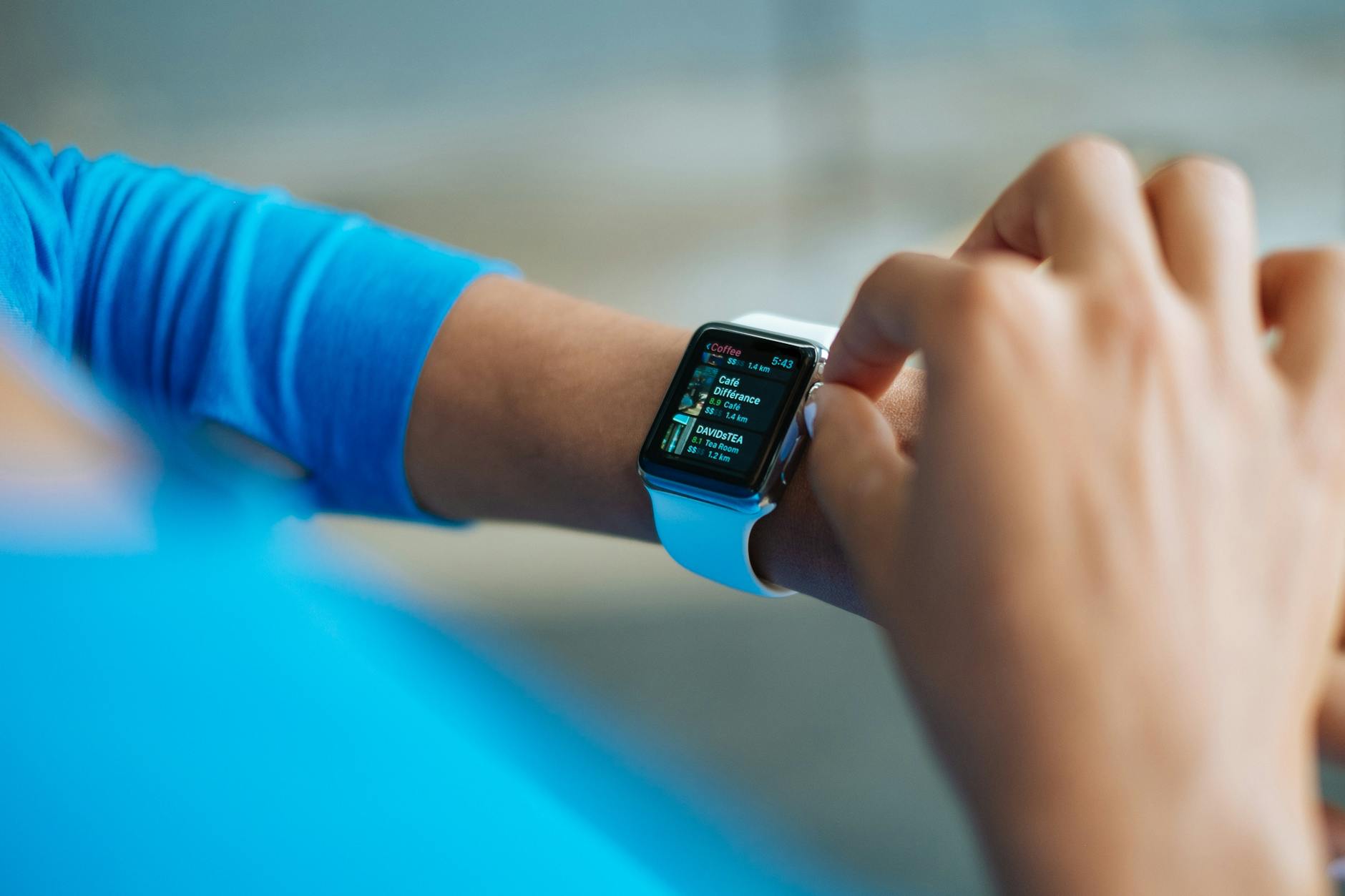
The latest flagship smartwatches now include blood oxygen monitoring, ECG, skin temperature, and HRV tracking as standard features. The best models also integrate with third-party CGM patches, giving you a complete metabolic picture on your wrist.
Key features to look for: at least 7-day battery life, FDA-cleared health sensors, and an app ecosystem that gives you actionable insights rather than just raw numbers.
Continuous Glucose Monitors (CGMs)
Once limited to diabetics, CGMs are now being worn by healthy people who want to understand how their diet affects blood sugar. A small sensor patch worn on the upper arm measures glucose every few minutes and sends data to your phone.
Why this matters for non-diabetics? Blood sugar spikes — even in people without diabetes — are linked to fatigue, weight gain, and long-term cardiovascular risk. Seeing exactly which foods spike your glucose is eye-opening.
Smart Rings
For people who find smartwatches uncomfortable during sleep, smart rings offer a more unobtrusive alternative. The best models track HRV, body temperature, sleep stages, and SpO2, and have improved significantly in accuracy over the past two years.
Battery life of 5-7 days and a slim profile make them ideal for 24/7 wear.
Metabolic Rate Monitors
A newer category: devices that measure your resting metabolic rate (RMR) — how many calories your body burns at rest. Knowing your true RMR (rather than using a generic calculator) allows for far more accurate nutrition planning.
Are These Devices Accurate?
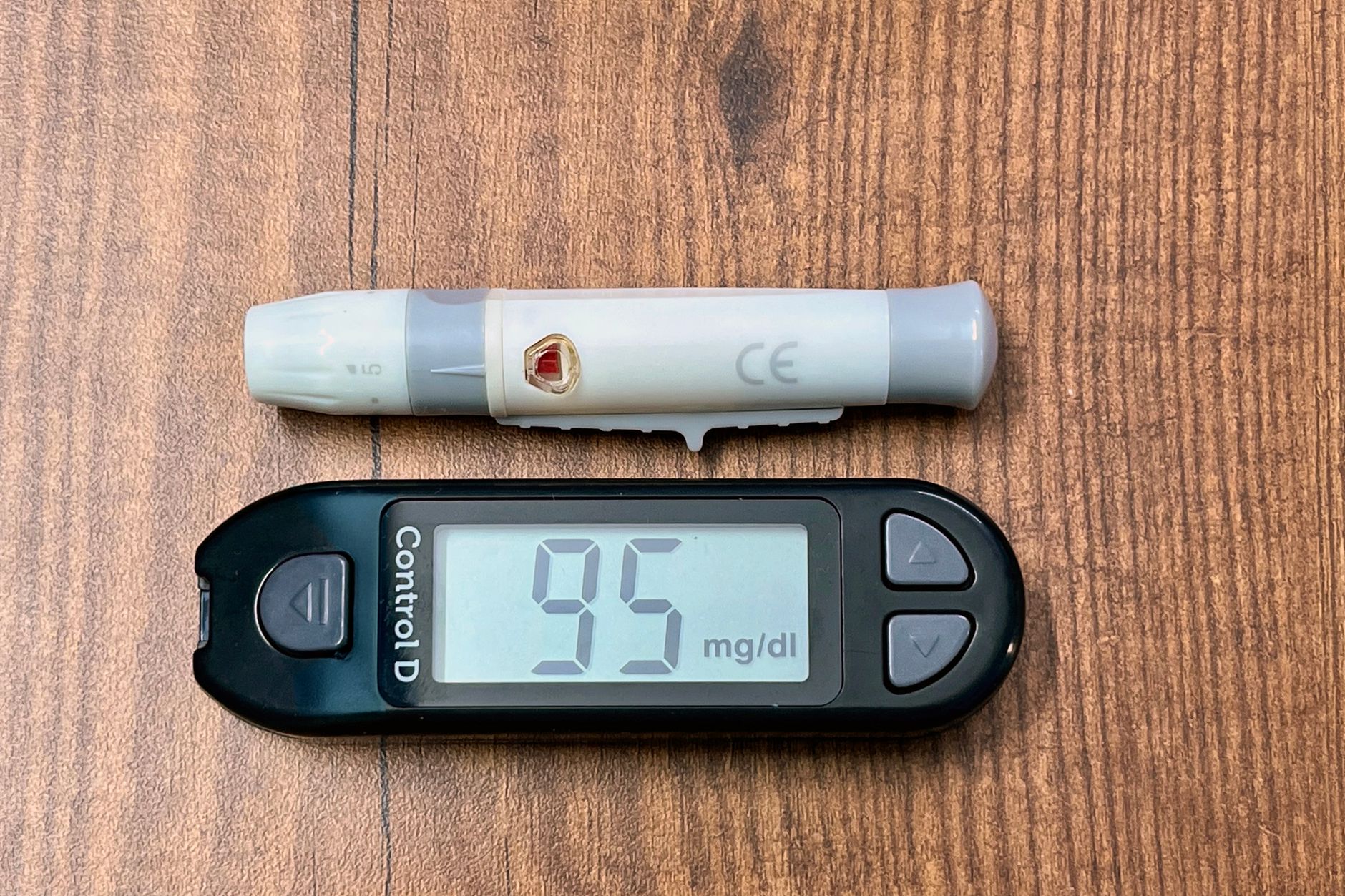
Accuracy varies significantly between devices and metrics. Heart rate and SpO2 are generally reliable on premium devices. Sleep staging and stress scores are useful as trends but not clinically precise. CGM data is highly accurate for glucose.
The most important principle: use wearable data to spot patterns over weeks and months, not to diagnose yourself based on a single reading.
Who Benefits Most From Health Wearables?
- People managing or at risk of metabolic conditions (pre-diabetes, insulin resistance)
- Athletes optimizing recovery and performance
- Anyone struggling with unexplained fatigue or energy crashes
- People trying to lose weight and wanting data-driven guidance
- Those with a family history of cardiovascular disease
The Privacy Question
Health data is among the most sensitive data you can generate. Before purchasing any wearable, check: Who owns your data? Can it be sold to insurers or employers? Does the company allow you to delete your data?

Reputable companies are transparent about data practices. Read the privacy policy — it matters.
Do You Actually Need a Wearable?
If you're generally healthy and have no specific health concerns, a basic fitness tracker may be all you need. The metabolic wearables above offer the most value for people who have specific health goals or conditions they want to monitor.
The best device is the one you'll actually wear consistently. Start simple, and upgrade if you find yourself wanting more data.