The Best Anti-Inflammatory Foods for People with Joint Pain
Discover powerful anti-inflammatory foods that reduce joint pain naturally. Learn which nutrients work best and get practical meal ideas today.

Published May 10, 2026 · Updated May 18, 2026

If you're dealing with joint pain, you're not alone. Millions of people worldwide struggle with inflammation-related joint discomfort, whether from arthritis, injury recovery, or chronic conditions. The good news? What you eat plays a significant role in managing inflammation. In fact, a 2021 study published in Nutrients found that participants who followed an anti-inflammatory diet experienced a 20% reduction in joint pain symptoms within just eight weeks. Rather than relying solely on medication, incorporating strategic foods into your daily routine can provide natural, lasting relief while supporting overall health.
Understanding Inflammation and Joint Pain
Before diving into specific foods, it's important to understand the connection between inflammation and joint pain. When joints become inflamed, the surrounding tissues swell, causing discomfort and reduced mobility. This inflammatory response can be triggered by various factors, including injury, autoimmune conditions, poor diet, and lifestyle choices.
The encouraging part? Certain foods contain powerful compounds that actively reduce inflammation in the body. These aren't just foods that "might help"—they're backed by scientific research showing measurable improvements in joint health and pain levels.
Top Anti-Inflammatory Foods for Joint Health
Fatty Fish Rich in Omega-3s
Fatty fish stands at the top of the anti-inflammatory food list, and for good reason. Salmon, mackerel, sardines, and trout contain high levels of omega-3 fatty acids, specifically EPA and DHA, which actively reduce inflammatory markers in the body.
Practical ways to incorporate fish:
- Aim for 2-3 servings of fatty fish weekly
- Grill salmon for dinner with roasted vegetables
- Add canned sardines to salads for a quick protein boost
- Make fish tacos with mackerel for a tasty, anti-inflammatory meal
If you're vegetarian or vegan, consider algae-based omega-3 supplements or plant sources like walnuts and flaxseeds, though they provide a less bioavailable form of these beneficial fatty acids.
Berries: Nature's Anti-Inflammatory Powerhouse
Blueberries, strawberries, raspberries, and blackberries are loaded with anthocyanins—powerful antioxidants that fight inflammation. These fruits are also low in calories and high in fiber, making them perfect for maintaining a healthy weight, which reduces stress on joints.
Simple ways to enjoy berries:
- Add a handful to your morning oatmeal or yogurt
- Blend into smoothies with Greek yogurt and spinach
- Snack on them fresh throughout the day
- Mix into salads for natural sweetness
One cup of blueberries provides approximately 25% of your daily vitamin C needs, which supports collagen production crucial for cartilage health.
Leafy Greens and Cruciferous Vegetables
Spinach, kale, broccoli, and cauliflower contain vitamin K and various antioxidants that protect joint tissue from damage. Leafy greens are particularly rich in compounds that reduce pro-inflammatory markers in the bloodstream.
Easy integration strategies:
- Build salads around spinach or kale as your base
- Add steamed broccoli to pasta dishes
- Sauté greens with garlic and olive oil as a side dish
- Blend spinach into soups and smoothies for hidden nutrition
The vitamin K found in these vegetables also plays a role in bone health, which is especially important for people managing joint conditions.
Extra Virgin Olive Oil
While often overlooked as a "food," extra virgin olive oil deserves special mention. It contains oleocanthal, a compound with effects similar to anti-inflammatory medications like ibuprofen. A study in Molecular Nutrition & Food Research found that consuming 3-4 tablespoons daily provided measurable anti-inflammatory benefits.
Best practices for olive oil:
- Use it in salad dressings and drizzles
- Avoid cooking with it at high temperatures (it degrades the beneficial compounds)
- Choose cold-pressed, extra virgin varieties
- Store in a cool, dark place to preserve quality
Nuts and Seeds
Almonds, walnuts, sunflower seeds, and chia seeds contain magnesium and omega-3 fatty acids. A handful of nuts daily can contribute to reduced inflammation markers without significantly impacting calorie intake.
Convenient serving ideas:
- Snack on a small handful of almonds mid-morning
- Sprinkle chia seeds on yogurt or oatmeal
- Mix crushed walnuts into salads for crunch
- Create homemade trail mixes with nuts and dried berries
Just remember portion control—nuts are calorie-dense, so aim for about one ounce (roughly a handful) per day.
Colorful Fruits Beyond Berries
Oranges, apples, cherries, and grapes all contain quercetin, a flavonoid with anti-inflammatory properties. Tart cherry juice, in particular, has gained attention for joint pain relief, with some studies showing it helps reduce pain from osteoarthritis.
Creative consumption methods:
- Drink tart cherry juice as part of your morning routine
- Add orange segments to salads
- Enjoy an apple with almond butter as a snack
- Make fruit smoothie bowls with various colorful options
Garlic and Ginger
These aromatic ingredients aren't just flavor enhancers—they're medicinal foods. Garlic contains diallyl disulfide, which may limit cartilage-damaging enzymes, while ginger contains gingerols and shogaols with documented anti-inflammatory effects.
Ways to use these powerhouses:
- Add minced garlic to roasted vegetables
- Brew fresh ginger tea with lemon and honey
- Use both in stir-fries and Asian-inspired dishes
- Make a turmeric-ginger golden milk drink
Foods to Avoid or Limit
While adding anti-inflammatory foods is crucial, reducing inflammatory foods is equally important. Limit:
- Processed foods with refined sugars and trans fats
- Red and processed meats high in saturated fats
- Refined carbohydrates like white bread and pastries
- Sugary beverages and excessive alcohol
- Foods with high omega-6 ratios that promote inflammation
Creating Your Anti-Inflammatory Meal Plan
Here's a practical example of an anti-inflammatory day:
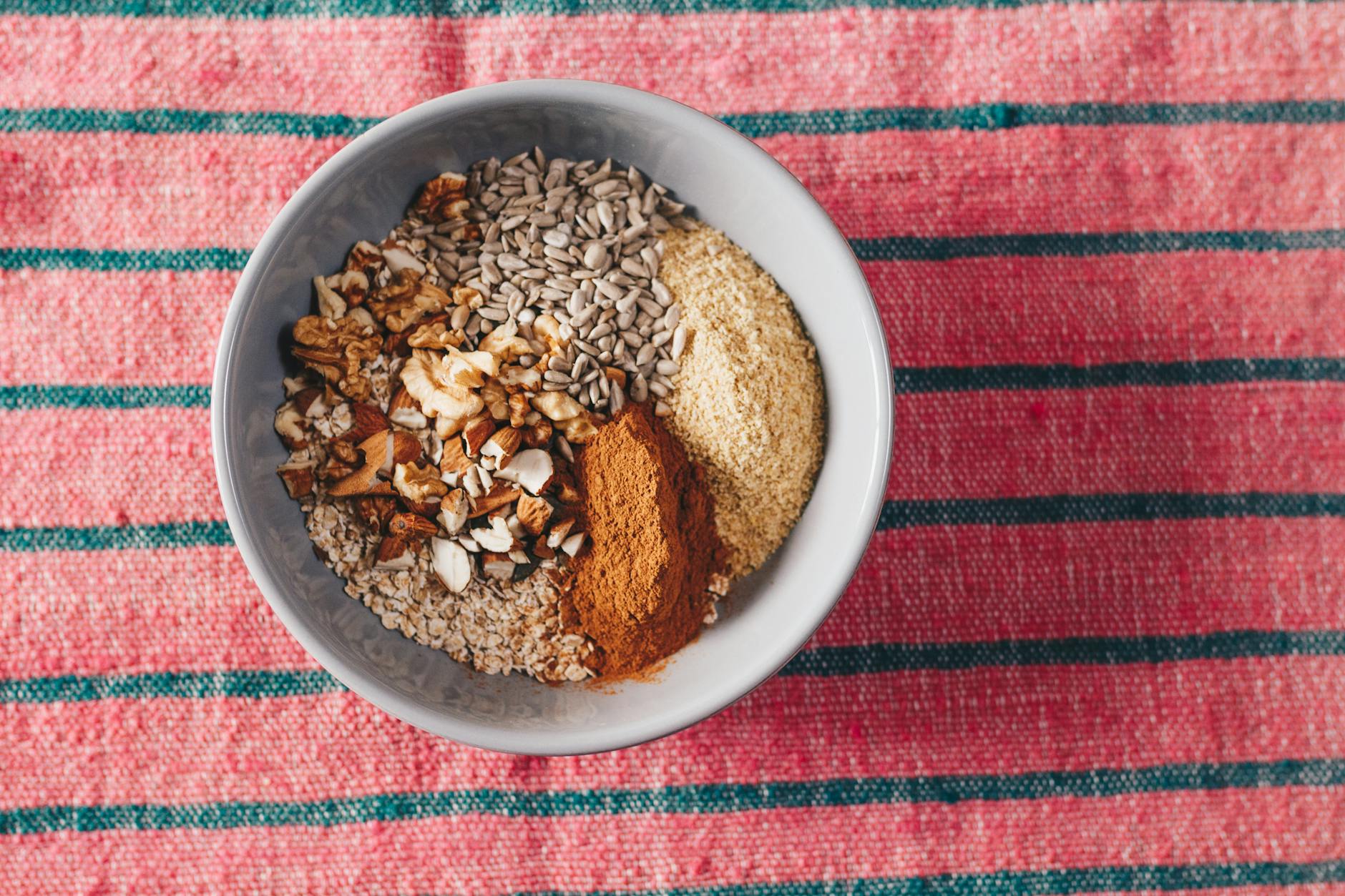
Breakfast: Oatmeal topped with blueberries, walnuts, and a drizzle of honey
Mid-morning snack: Apple with almond butter
Lunch: Grilled salmon with roasted broccoli and sweet potato, dressed with olive oil
Afternoon snack: Handful of almonds and berries
Dinner: Turkey meatballs with whole wheat pasta and spinach marinara sauce
Evening: Ginger tea
The Bottom Line
Managing joint pain through diet is a long-term investment in your health. While these anti-inflammatory foods won't provide instant relief, consistent consumption over weeks and months produces measurable improvements in pain levels and mobility. Combine dietary changes with regular gentle exercise, adequate sleep, and stress management for optimal results.
Start by incorporating three to four of these anti-inflammatory foods this week. Small, sustainable changes create lasting habits that benefit your joints and overall health for years to come.