How to Beat Spring Allergies in 2026
Spring allergies are worse than ever this year. Here's what doctors recommend to finally get relief — from new treatments to everyday habits.

April 16, 2026
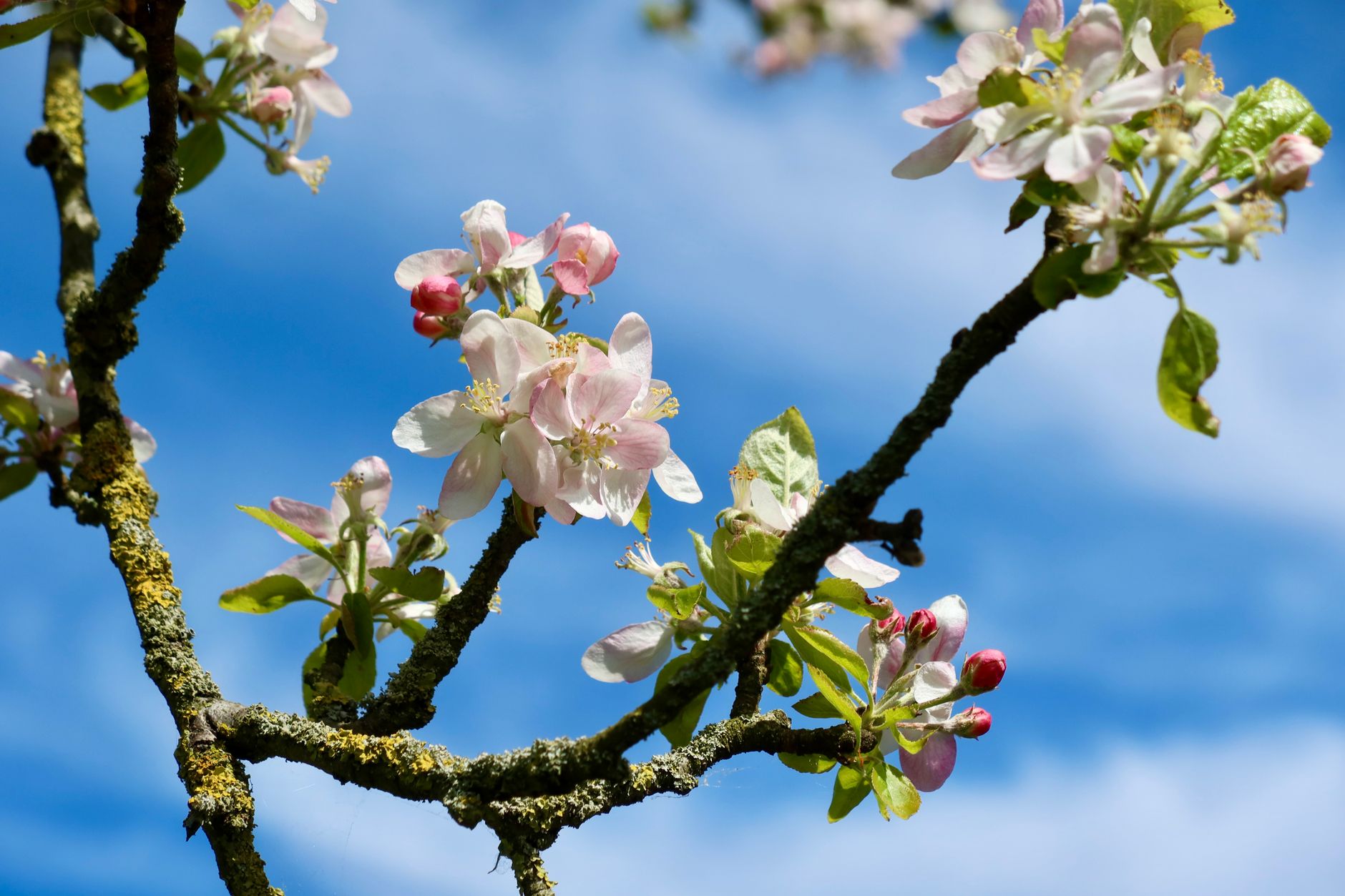
Every April, millions of people brace for the sneezing, itchy eyes, and foggy head that come with spring. But 2026 is shaping up to be one of the worst allergy seasons on record — warmer winters have extended pollen seasons by up to 20 days compared to a decade ago, according to the American Academy of Allergy, Asthma & Immunology.
If you've been suffering through seasons like this and wondering why nothing seems to help, you're not alone. The good news is that there's more you can do than reach for a generic antihistamine and hope for the best.
Why Spring 2026 Is Particularly Bad
Climate shifts have lengthened the overlap between tree, grass, and weed pollen seasons. Trees start releasing pollen earlier in February and March, and grasses often extend into July. This means your body gets almost no break.
On top of that, higher CO₂ levels cause plants to produce more pollen per season — and some research suggests this pollen may be more potent than in previous decades. If your allergies seem worse than they used to be, there's likely a real environmental reason for it.
Check Your Local Pollen Count Daily
One of the simplest but most underused habits is checking the daily pollen forecast before you head outside. Apps like Pollen.com or your local weather service publish pollen counts broken down by type — tree, grass, weed, mold.

On high-count days (typically warm, dry, and windy days), limit time outdoors between 5 a.m. and 10 a.m., when pollen levels peak. Rainy days are actually great for allergy sufferers — rain washes pollen out of the air temporarily.
Upgrade Your Antihistamine Strategy
Over-the-counter antihistamines like cetirizine (Zyrtec), loratadine (Claritin), and fexofenadine (Allegra) are effective for most people — but timing matters. Many allergists now recommend taking them at night rather than in the morning because they work systemically and reach peak concentration while you sleep, leaving you better protected in the morning when pollen spikes.
If one antihistamine isn't working, switching to a different class often helps since they act on slightly different receptors. If OTC options fail entirely, ask your doctor about prescription alternatives like bilastine, which is showing strong results in recent clinical trials.
Nasal Rinses: Still One of the Best Tools Around
Saline nasal rinses (like a neti pot or squeeze bottle) physically flush pollen, dust, and irritants from your nasal passages before they trigger a reaction. Studies consistently show they reduce allergy symptoms and reliance on medication.
Use one after coming indoors on high-pollen days. It feels strange at first but becomes routine quickly. Use only distilled or previously boiled water — never tap water directly.
Make Your Home an Allergy-Free Zone
Your bedroom especially should be a refuge from pollen:
- Keep windows closed during high-pollen periods and use air conditioning instead
- Use HEPA air purifiers in the bedroom and living areas — they capture particles as small as 0.3 microns
- Shower and change clothes when you come in from outdoors, especially after exercising outside
- Wash bedding weekly in hot water (at least 130°F) to eliminate pollen and dust mites
- Keep pets that go outside clean — they carry pollen on their fur
Consider Immunotherapy for Long-Term Relief
If you've been managing symptoms year after year with medication but never getting ahead of them, allergy immunotherapy might be worth discussing with a specialist. Traditional allergy shots (subcutaneous immunotherapy) work by gradually desensitizing your immune system to specific allergens.

The newer option — sublingual immunotherapy (SLIT) — involves dissolving tablets under your tongue at home. It's approved for grass and ragweed pollen and is gaining popularity because it's convenient and avoids weekly clinic visits. Results typically take 3–5 years to fully develop but can provide lasting relief long after treatment ends.
Dietary Tweaks That Actually Help
Some foods can cross-react with pollen proteins and worsen symptoms — a phenomenon called oral allergy syndrome. If you notice your mouth or throat itching after eating raw apples, carrots, celery, or stone fruits during allergy season, this might be why. Cooking these foods usually neutralizes the cross-reactive proteins.
On the flip side, some nutrients may reduce inflammatory responses:
- Quercetin (found in onions, apples, and green tea) has shown anti-inflammatory properties in several studies
- Vitamin D deficiency is linked to more severe allergy symptoms — get your levels checked if you haven't recently
- Omega-3 fatty acids from fatty fish or flaxseed may help dampen immune overreaction
When to See a Doctor
If your symptoms include wheezing, shortness of breath, or chest tightness, don't wait — these could indicate allergic asthma, which needs a specific treatment plan. Similarly, if OTC medications aren't managing your symptoms after two weeks, a referral to an allergist is worth it.

Skin prick testing or blood tests can identify exactly what you're allergic to, which makes targeted treatment far more effective than a one-size-fits-all approach.
Spring should feel like the best time of year, not the worst. With the right combination of avoidance strategies, medication timing, and possibly long-term immunotherapy, most allergy sufferers can genuinely enjoy the season.