How to Improve Your Posture
Poor posture causes back pain, headaches, and low energy. These simple daily habits will correct your alignment and transform how you feel and look.

Published December 27, 2025 · Updated May 18, 2026
Most people think about posture only when someone tells them to sit up straight. But posture isn't just about appearances — it directly affects your pain levels, breathing capacity, energy, digestion, and even mood. Research has shown that upright posture increases testosterone, decreases cortisol, and is associated with greater confidence and better cognitive performance.
The modern epidemic of poor posture — driven by hours of screen time, sedentary work, and constantly looking down at phones — is causing a genuine public health problem. The condition even has a name: "tech neck" or "forward head posture," which affects an estimated 66% of adults.
Here's how to fix it systematically.
Understanding Why Posture Deteriorates
Posture problems aren't about laziness or weakness of character. They stem from muscular imbalances created by repetitive positions:
- Prolonged sitting tightens hip flexors and weakens glutes
- Forward head position lengthens and weakens deep neck flexors while tightening the suboccipital muscles
- Screen work rounds the upper back (thoracic kyphosis) and shortens the chest muscles
- Looking down at phones pulls the head forward — for every inch the head moves forward, effective weight on the neck increases by about 10 pounds
The fix requires both stretching tight muscles and strengthening the opposing weak ones.
Key Muscles to Strengthen
Deep neck flexors: Doing chin tucks (gently pulling your chin straight back) activates and strengthens these, countering forward head posture. Do 3 sets of 10 reps daily.
Read also
How to Reset Your Gut Health in 7 Days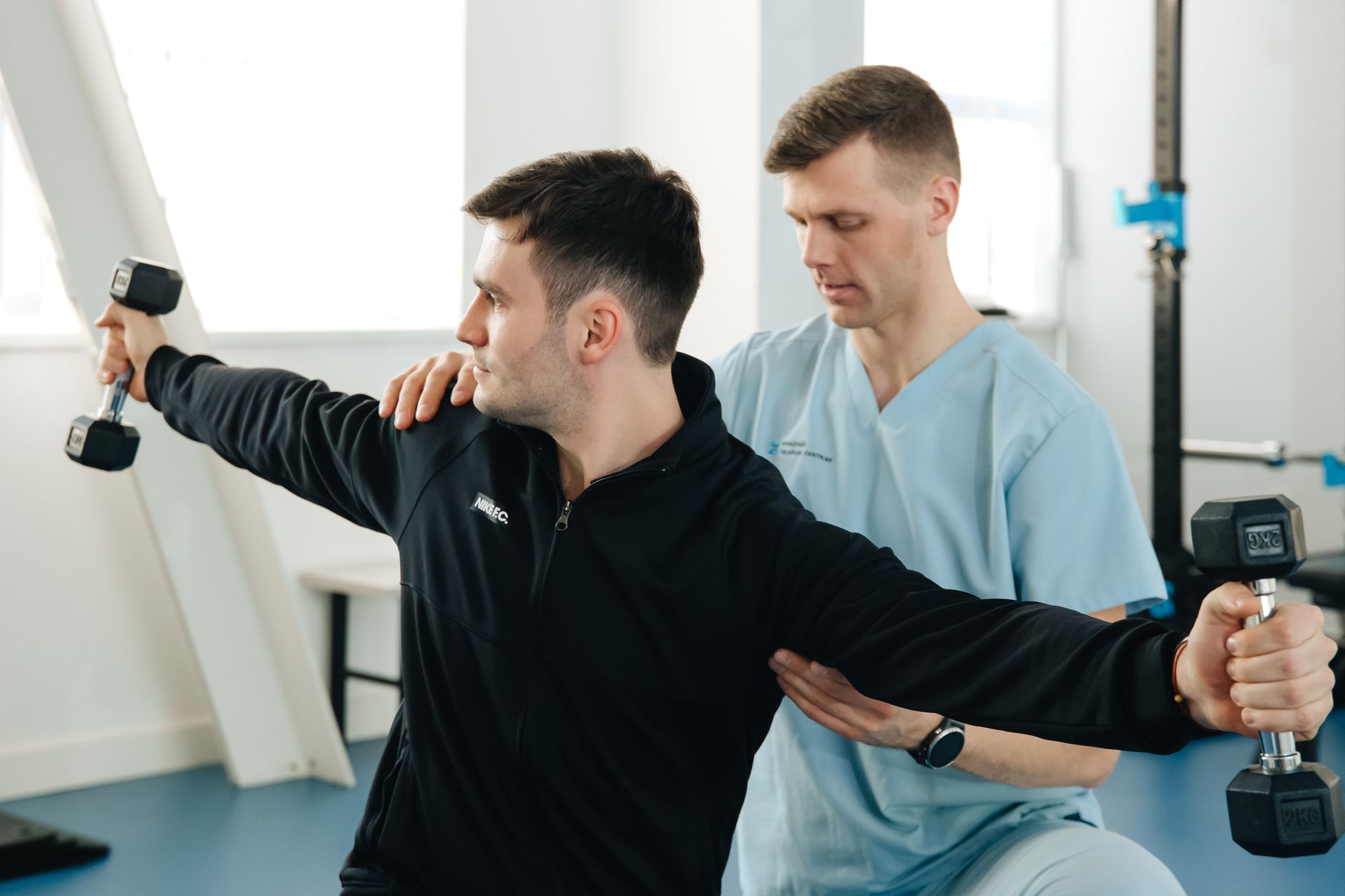
Lower trapezius and rhomboids: Pull your shoulder blades down and together — these retract the shoulders and open the chest. Band pull-aparts (stretching a resistance band horizontally in front of you) are excellent.
Glutes and core: Weak glutes lead to anterior pelvic tilt (butt sticking out, lower back arched). Glute bridges and hip thrusts directly address this. Core strength provides the stabilizing foundation for upright posture.
Erector spinae: The muscles running along your spine. Deadlifts (even light, with proper form) and bird-dogs strengthen these effectively.
Key Muscles to Stretch
Chest and anterior shoulder (pectorals): Stand in a doorway, arms at 90 degrees, and gently lean forward. Hold 30 seconds, 2–3 times daily.
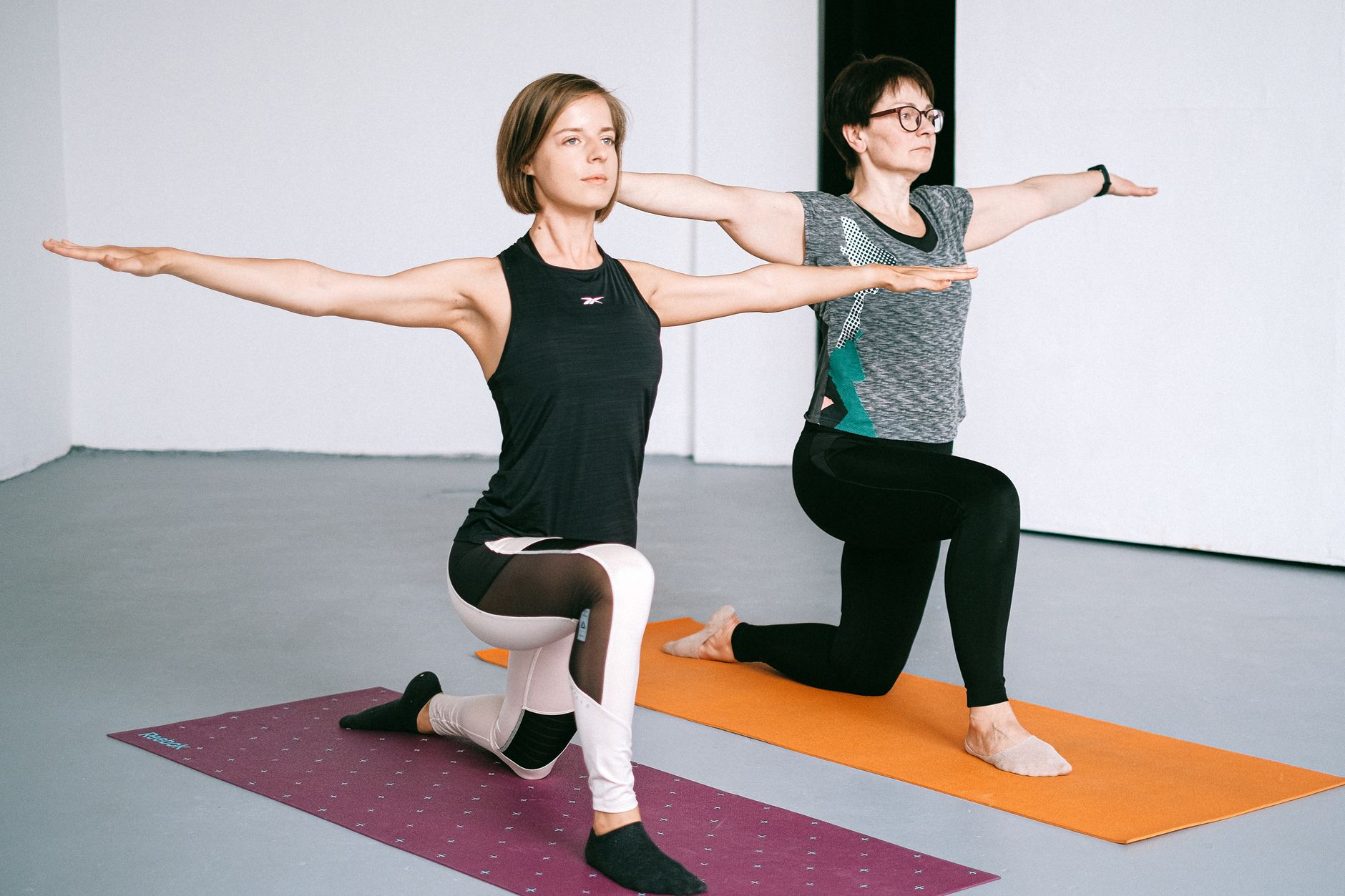
Hip flexors: The kneeling lunge stretch — back knee on floor, front foot forward, tuck pelvis and lean gently forward — targets the psoas directly. Hold 45 seconds per side.
Upper trapezius and neck: Gently tilt your ear to your shoulder, apply light hand pressure, hold 30 seconds. Repeat the other side.
Thoracic spine: Use a foam roller or rolled-up yoga mat placed horizontally under your upper back and gently extend over it. This counteracts the rounding from screen time.
Fix Your Workstation Setup
You can do all the exercises in the world and still have poor posture if you sit in a poor environment for 8 hours a day. Ergonomic adjustments:
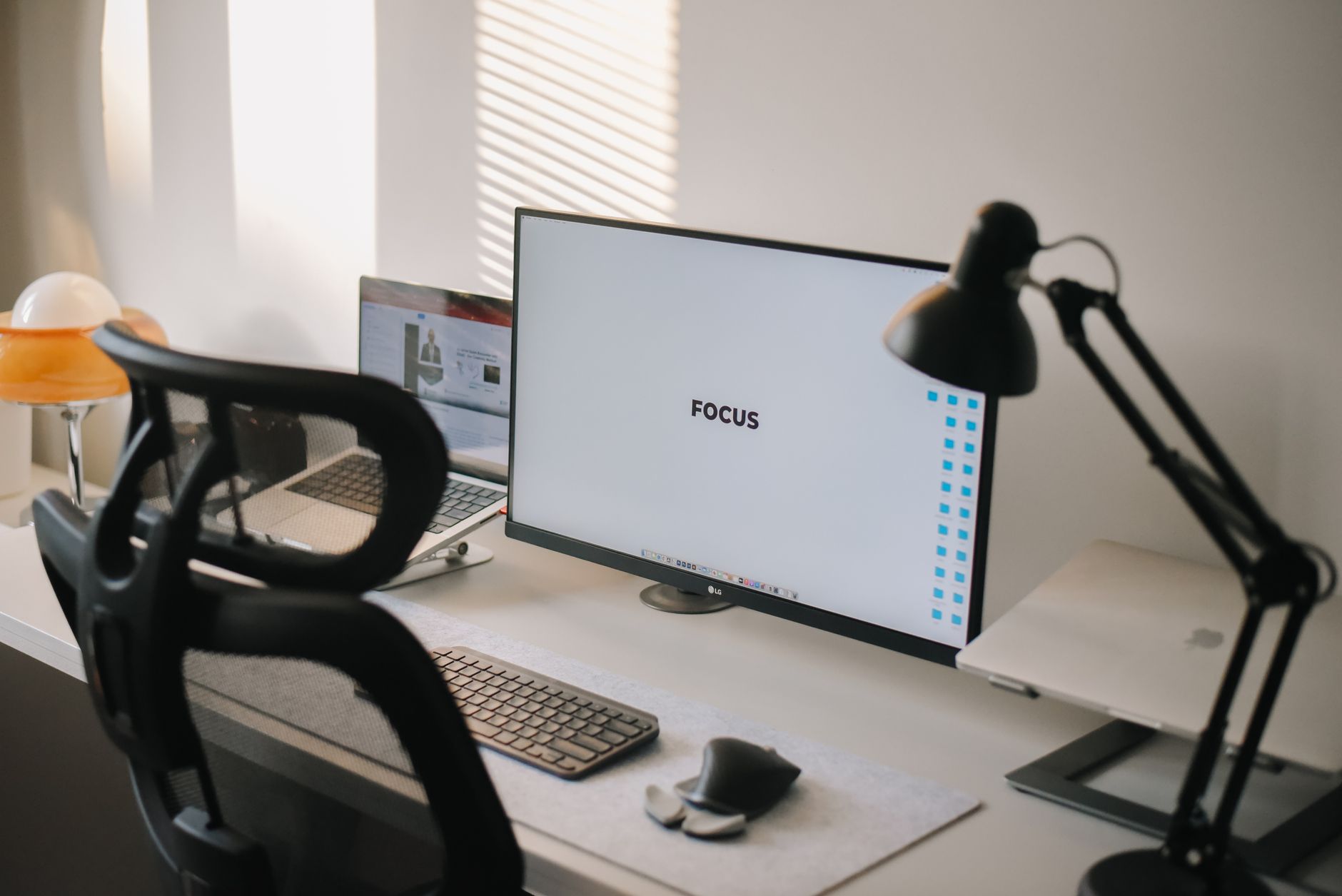
- Monitor height: Top of screen at or just below eye level, arm's length away
- Chair height: Feet flat on floor, knees at 90 degrees or slightly below hip level
- Lower back support: Lumbar support at the natural curve of your lower back
- Keyboard and mouse: Elbows at approximately 90 degrees, shoulders relaxed (not elevated)
- Phone: Hold at eye level — even briefly improving this habit reduces neck strain significantly
The 30-Minute Rule
No ergonomic setup compensates for staying static too long. Even perfect posture becomes harmful after 30–40 minutes of no movement. Set a timer to stand, stretch, and reposition every 30 minutes.
A standing desk used for 30–50% of the workday is beneficial, but standing all day is also problematic. The goal is variation, not a single static position.
Daily Posture Routine (10 Minutes)
Do this every morning or before sitting down for work:

- Cat-cow stretch: 10 reps, mobilizes the spine
- Chin tucks: 10 reps, activates deep neck flexors
- Doorway chest stretch: 30 seconds × 2, opens the chest
- Hip flexor stretch: 45 seconds per side, counters sitting
- Band pull-aparts or wall angels: 15 reps, retracts shoulders
- Glute bridge: 15 reps, activates glutes and core
Consistency over 4–6 weeks produces noticeable changes in both how your posture looks and how your body feels.
The Mind-Body Connection
Research by social psychologist Amy Cuddy and subsequent studies showed that body posture affects hormones and confidence. While the "power pose" effect has been debated, the foundational finding holds: upright posture produces measurably different physiological and psychological states than slumped posture.
Breathing is directly affected too — forward head posture and rounded shoulders reduce lung capacity by up to 30%. Simply sitting or standing taller allows fuller diaphragmatic breaths, which activates the parasympathetic nervous system and reduces anxiety.
Better posture isn't just aesthetic — it's functional, energetic, and psychological.