Screwworm in Texas: What This Rare Parasite Is and How to Stay Safe
Screwworm flies have resurfaced in Texas, raising alarms. Learn what this rare parasite is, how it spreads, and how to protect yourself and your animals.

June 6, 2026
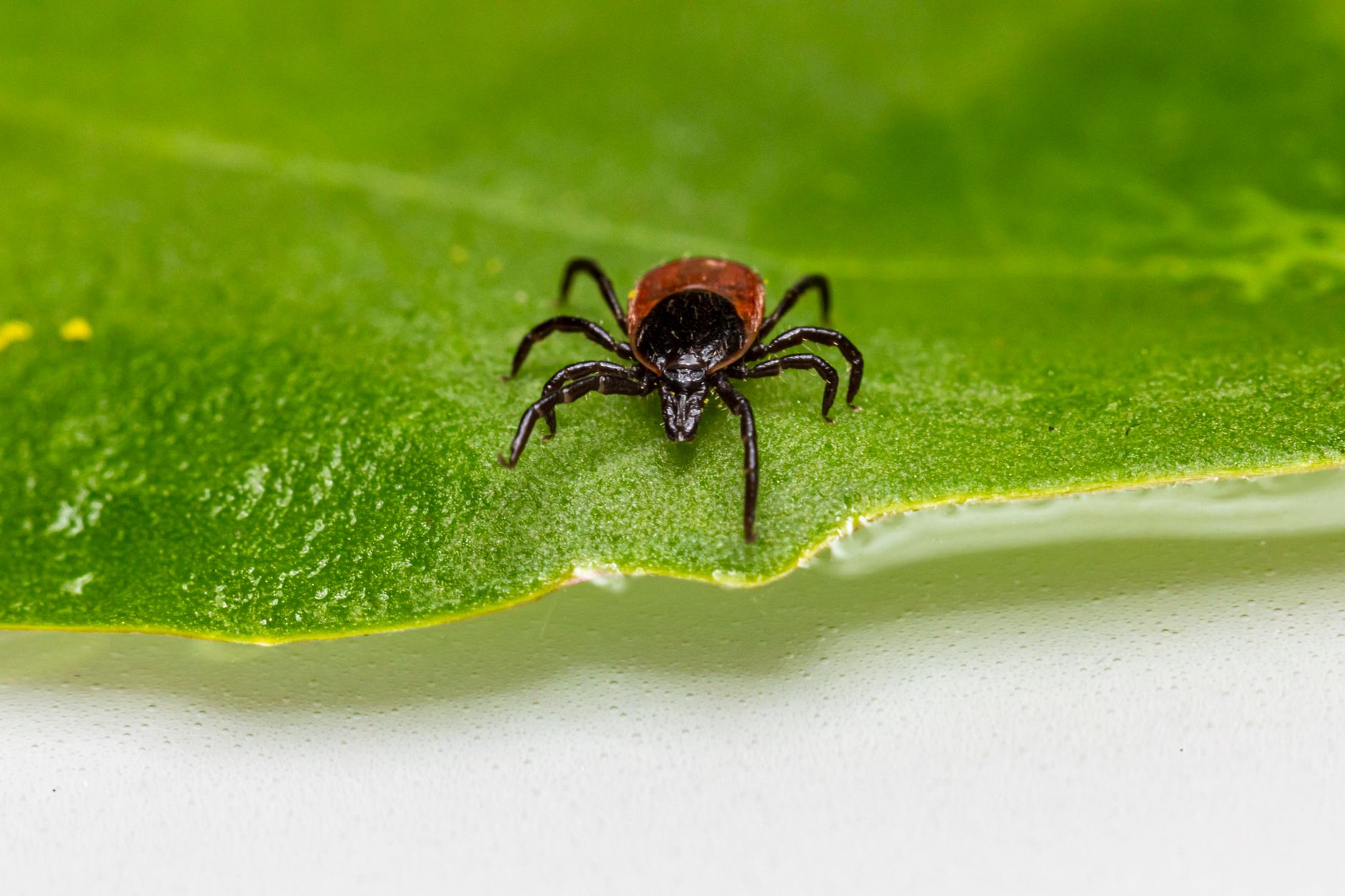
If you've been following the news out of Texas in 2026, you may have seen a word that sounds like it belongs in a horror movie: screwworm. This flesh-eating parasite, once eradicated from the United States decades ago, has made a disturbing reappearance in southern Texas — and it's raising serious concerns among ranchers, pet owners, veterinarians, and public health officials alike. Here's everything you need to know about what screwworms are, why their return matters, and exactly how to keep yourself and your animals safe.
What Exactly Is a Screwworm?
The New World screwworm (Cochliomyia hominivorax) is the larval stage of a specific species of blow fly. Unlike most fly larvae, which feed on dead or decaying tissue, screwworm larvae feed on the living flesh of warm-blooded animals — including humans. That distinction is what makes them so dangerous.
Here's how the lifecycle works:
- A female screwworm fly locates an open wound on a warm-blooded host — even a tiny nick, a tick bite, or the navel of a newborn animal.
- She lays 200–400 eggs in or around the wound's edge.
- Within 12–24 hours, the eggs hatch into larvae that burrow headfirst into the living tissue, feeding and growing for 5–7 days.
- The larvae drop to the ground, pupate in the soil, and emerge as adult flies within about a week, ready to repeat the cycle.
A single untreated infestation can be fatal, especially in livestock and wildlife. The wound grows larger as the larvae feed, attracting more female flies to lay additional egg masses. Left unchecked, the infestation can kill a full-grown cow within 7–10 days.
Why Were Screwworms Supposed to Be Gone?
The U.S. successfully eradicated screwworms from the country through one of the most celebrated pest control programs in history: the Sterile Insect Technique (SIT). Beginning in the 1950s, the USDA mass-reared screwworm flies, sterilized the males using radiation, and released them into the wild by the billions. When sterile males mated with wild females, the eggs never hatched, and populations collapsed.
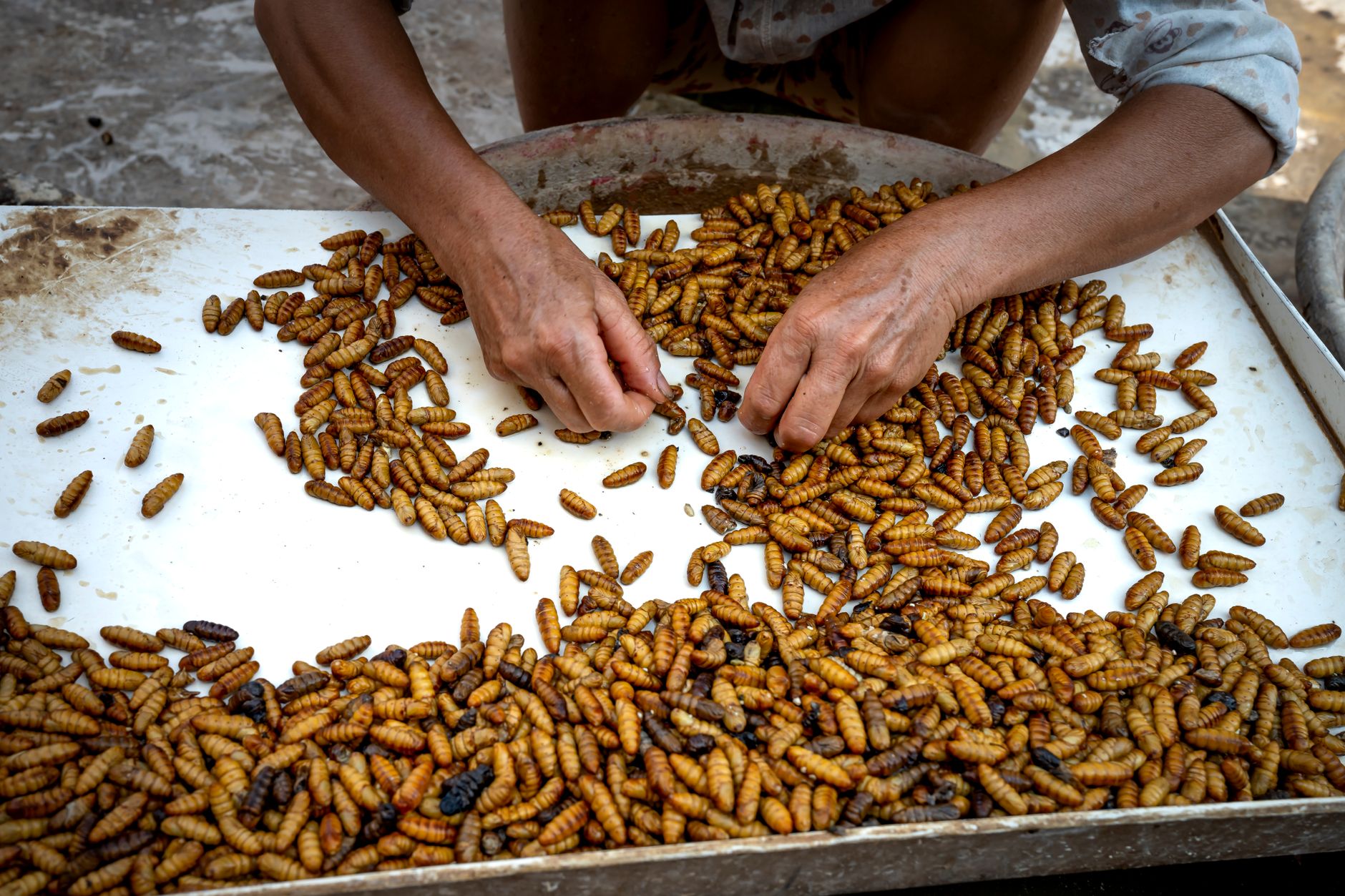
By 1982, the U.S. was declared screwworm-free. A permanent barrier program along the Darien Gap in Panama has been maintained ever since, releasing roughly 20 million sterile flies per week to prevent northward migration from South America, according to the USDA's Animal and Plant Health Inspection Service (APHIS).
Read also
How to Reset Your Gut Health in 7 DaysSo what happened in Texas?
The 2026 Resurgence
Isolated cases have cropped up before — notably in the Florida Keys in 2016, linked to Key deer populations. But the 2026 detections in southern Texas have been more alarming due to their scope and proximity to major livestock operations. While investigations are ongoing, officials believe the cases may be linked to:
- Cross-border animal movement from regions in Central America where screwworms remain endemic
- Wildlife corridors that allow infected animals to carry larvae across the Rio Grande
- Climate patterns in 2026 creating warmer, more humid conditions favorable to fly survival further north
Texas Agriculture Commissioner and USDA APHIS have established quarantine zones and launched emergency sterile fly releases in affected counties, but the situation demands vigilance from everyone in the region.
Who Is at Risk?
Screwworms pose the greatest threat to:
- Livestock — cattle, sheep, goats, and horses are particularly vulnerable, especially during calving, lambing, or after dehorning and branding
- Pets — dogs and cats with open wounds or surgical sites can be infested
- Wildlife — deer, javelina, and feral hogs serve as reservoir hosts that can spread infestations across wide areas
- Humans — while rare, human cases do occur, typically when screwworm flies lay eggs in open wounds, sores, or even the nasal and ear cavities of people sleeping outdoors
The risk is highest in rural southern Texas, but any warm-blooded animal with an open wound in an affected area is a potential host.
How to Stay Safe: Practical Steps for 2026
Whether you're a rancher managing hundreds of head of cattle or a homeowner with a couple of backyard dogs, these steps can dramatically reduce your risk.

For Livestock and Ranch Operations
- Inspect all animals regularly. Check for wounds daily, paying close attention to navels of newborns, ears, and any surgical or branding sites.
- Time procedures strategically. If possible, avoid castrating, dehorning, or branding during peak fly season (warm, humid months). When procedures are necessary, treat wounds immediately with approved larvicidal wound spray.
- Apply preventive wound treatments. Products containing coumaphos or other USDA-approved larvicides can protect open wounds from egg-laying flies.
- Report suspicious cases immediately. If you find larvae in a living wound, collect a sample (place larvae in rubbing alcohol in a sealed container) and contact your local USDA APHIS Veterinary Services office or the Texas Animal Health Commission. Early detection is critical to containment.
For Pet Owners
- Keep wounds covered and clean. If your pet has a cut, surgical incision, or hot spot, keep it bandaged and monitor it closely.
- Use veterinarian-recommended fly repellents during outdoor activities.
- Limit outdoor exposure at dawn and dusk, when screwworm flies are most active.
- Check your pet's ears, nose, and any skin folds regularly if you're in or near an affected area.
For People
- Cover open wounds with clean bandages, especially if you're spending time outdoors in southern Texas.
- Practice good hygiene around cuts, scrapes, and bug bites — clean and cover them promptly.
- Use insect repellent containing DEET or picaridin when camping, hiking, or working outdoors in affected regions.
- Seek medical attention immediately if you notice unusual swelling, pain, or movement within a wound.
What to Do If You Suspect a Screwworm Infestation
Speed is everything. Here's your action plan:
- Do not attempt to remove all larvae yourself — partial removal can cause larvae to burrow deeper.
- Collect a sample of at least 10 larvae if possible. Place them in isopropyl alcohol in a tightly sealed container.
- Contact authorities. Call the USDA Screwworm Hotline at 1-800-USDA-TAG (1-800-872-3284) or reach out to the Texas Animal Health Commission.
- Isolate the affected animal to prevent fly exposure from spreading.
- Treat the wound with a USDA-approved larvicide and follow veterinary guidance.
Positive identification of screwworm larvae triggers an immediate federal and state response, including quarantine zones and sterile fly releases, so your report could protect an entire region.
The Bigger Picture
The return of screwworms to Texas in 2026 is a stark reminder that eradication doesn't mean permanent elimination — it means constant vigilance. Climate change, shifting wildlife patterns, and global animal trade all create opportunities for re-introduction.

The good news? The tools to fight screwworms are proven and effective. The SIT program remains one of the most successful biological pest control initiatives in history. But it works best when combined with community awareness, rapid reporting, and proactive wound management.
Stay informed, inspect your animals, cover your wounds, and report anything suspicious. By taking these straightforward precautions, you play a direct role in keeping this devastating parasite from gaining a foothold in the United States once again.