The Best Stretches to Do Every Morning
Discover the best morning stretches to boost flexibility, reduce stiffness, and energize your entire day in just 10 minutes.

Published April 13, 2026 · Updated May 18, 2026

There's a reason your cat arches its back and extends every limb before hopping off the couch. Stretching after a period of rest is one of the most instinctive things a body can do — and yet most of us skip it entirely. We roll out of bed, grab our phones, pour some coffee, and launch straight into the demands of the day with muscles that are still cold, tight, and compressed from hours of sleep. A simple 10-minute morning stretching routine can change how your entire body feels, how clearly you think, and how energetically you move through everything that follows.
According to a study published in the Journal of Physical Therapy Science, participants who performed regular static stretching in the morning experienced significant improvements in flexibility, reduced musculoskeletal pain, and reported higher perceived energy levels throughout the day. The science is clear: a few intentional minutes of stretching each morning is one of the highest-return investments you can make in your daily health.
Why Morning Stretching Matters More Than You Think
During sleep, your body is relatively motionless for six to nine hours. Spinal discs rehydrate and expand slightly, muscles cool down and contract, and fascia — the connective tissue surrounding your muscles — can become stiff and adhesive. This is why you often feel tight or achy first thing in the morning.
Morning stretching counteracts all of this by:
- Increasing blood flow to muscles and joints, delivering oxygen and nutrients that kickstart your system
- Improving range of motion so everyday movements feel easier and less restricted
- Reducing the risk of injury during workouts or even routine tasks like bending down to tie your shoes
- Activating your parasympathetic nervous system, helping reduce cortisol and morning anxiety
- Improving posture throughout the day by releasing tension in chronically tight areas like the chest, hip flexors, and lower back
Think of it as a gentle reboot for your body — the equivalent of letting your car warm up before driving on a cold morning.
The 10 Best Morning Stretches (In Order)
This sequence is designed to flow naturally from the floor to standing, warming your body progressively. Hold each stretch for 20–30 seconds unless otherwise noted, and breathe deeply throughout.
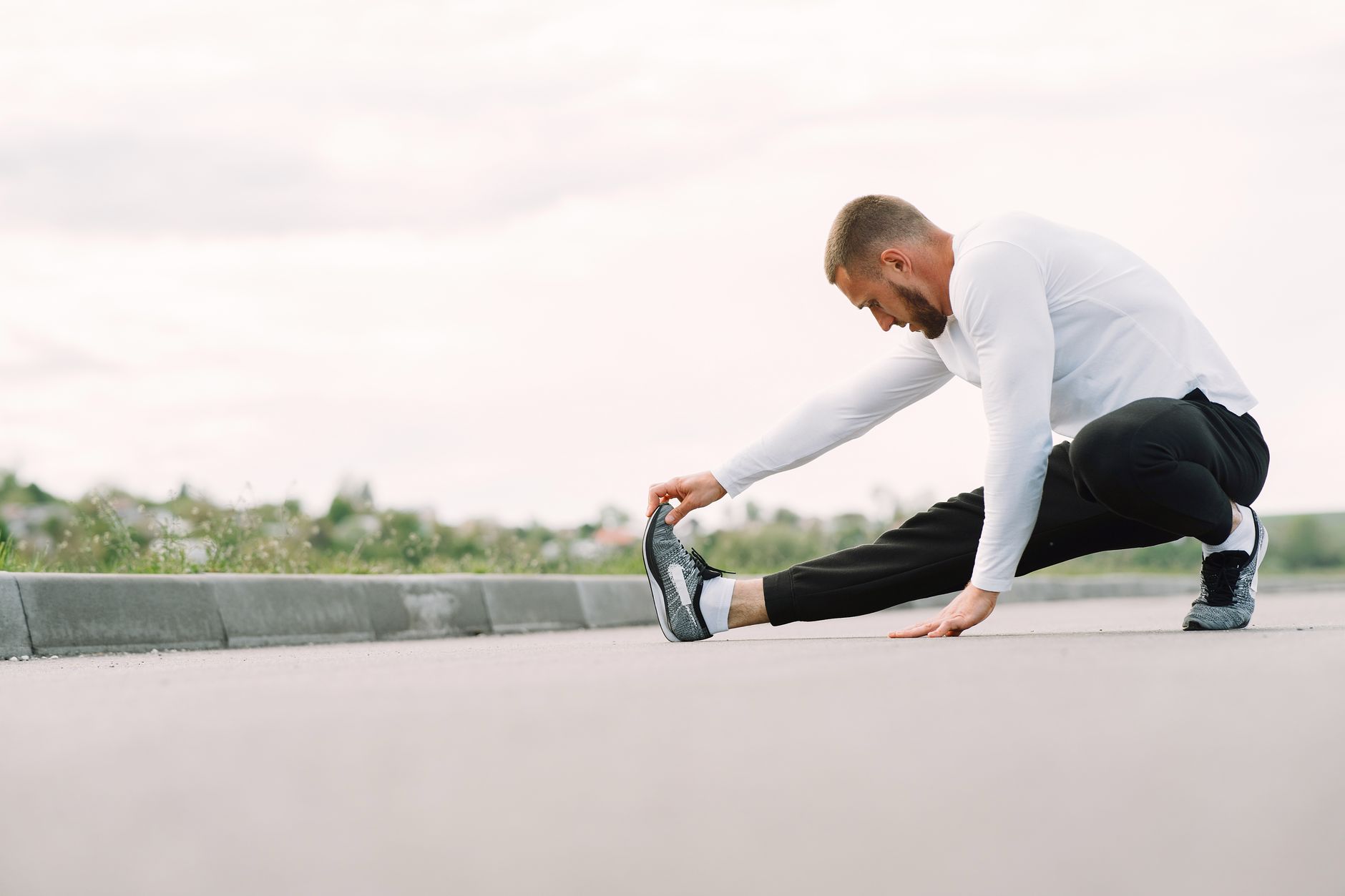
1. Full-Body Stretch (In Bed)
Before you even sit up, extend your arms overhead and your legs long. Point your toes, spread your fingers, and reach in opposite directions. This wakes up every major muscle group simultaneously and feels incredible.
2. Knees-to-Chest Stretch
Lying on your back, hug both knees into your chest. Gently rock side to side if it feels good. This releases your lower back and glutes — two areas that tend to tighten up significantly overnight.
3. Supine Spinal Twist
Still on your back, drop both knees to one side while keeping your shoulders flat on the bed or mat. Extend the opposite arm out. Hold, then switch sides. This stretch rotates your thoracic spine, relieving stiffness and improving mobility.
Read also
How to Reset Your Gut Health in 7 Days4. Cat-Cow Stretch
Come to a tabletop position on your hands and knees. On an inhale, arch your back and lift your gaze (cow). On an exhale, round your spine toward the ceiling and tuck your chin (cat). Repeat 8–10 cycles. This is arguably the single best stretch for spinal health and is a staple in both yoga and physical therapy.
5. Child's Pose
From tabletop, sit your hips back toward your heels and extend your arms forward on the floor. Let your forehead rest down. This gently stretches your lats, shoulders, hips, and lower back all at once while promoting a sense of calm.
6. Downward-Facing Dog
Tuck your toes and lift your hips up and back into an inverted V-shape. Pedal your feet, bending one knee at a time, to ease into the stretch. This lengthens the hamstrings, calves, and spine while strengthening the shoulders. It also encourages blood flow to the brain, which helps shake off grogginess.
7. Low Lunge with Hip Flexor Stretch
Step your right foot forward between your hands and lower your left knee to the floor. Sink your hips forward and down. You should feel a deep stretch in the front of your left hip. Switch sides. Tight hip flexors are epidemic in our sitting-heavy culture, and this stretch directly combats that.
8. Standing Forward Fold
Stand with feet hip-width apart and fold forward from your hips. Let your head hang heavy and grab opposite elbows if you like. Bend your knees slightly if your hamstrings are very tight. This decompresses the spine and stretches the entire posterior chain — hamstrings, calves, and lower back.
9. Standing Side Stretch
Reach both arms overhead and clasp your hands. Lean to the right, feeling a deep stretch along your left side body — the obliques, intercostals, and lats. Hold, then switch. These lateral muscles are almost never stretched in daily life, yet they play a huge role in breathing and posture.
10. Neck Rolls and Shoulder Shrugs
Gently drop your right ear toward your right shoulder. Hold for 15 seconds, then switch. Follow up with slow, controlled neck circles in both directions. Finish with three big shoulder shrugs — lift your shoulders to your ears, hold for two seconds, then drop them. This releases the tension that accumulates in the upper trapezius and neck muscles, especially if you sleep in a less-than-ideal position.
Tips to Make Morning Stretching a Lasting Habit
Knowing the stretches is one thing. Actually doing them every morning is another. Here are proven strategies to make this routine stick:
- Anchor it to an existing habit. Stretch right after your alarm goes off — before you check your phone, before you make coffee. Linking a new behavior to an established cue dramatically increases consistency.
- Start ridiculously small. If 10 minutes feels like too much, commit to just three stretches. Two minutes is better than zero, and momentum builds naturally.
- Lay out a yoga mat the night before. Visual cues reduce friction. When you see the mat on the floor, it acts as a silent reminder.
- Don't aim for perfection. You don't need to be flexible. You don't need to look like a yoga instructor. You just need to move gently and breathe. The goal is to feel better, not to perform.
- Track your streak. Use a simple calendar or habit-tracking app. Research from University College London suggests it takes an average of 66 days to form a new habit — seeing your streak grow provides powerful motivation to keep going.
Who Benefits Most From Morning Stretching?
The honest answer is everyone. But certain groups will notice especially dramatic improvements:

- Desk workers and remote employees who sit for prolonged periods and develop chronic tightness in the hips, chest, and neck
- Adults over 40 who experience natural declines in flexibility and increased morning stiffness
- Athletes and gym-goers who need adequate range of motion to perform and recover well
- People with anxiety or stress who carry tension physically and benefit from the mindfulness component of stretching
- Anyone recovering from injury (with their doctor's clearance) who needs gentle movement to support healing
The Bottom Line
Morning stretching isn't glamorous. It won't go viral on social media, and nobody is going to award you a medal for touching your toes before breakfast. But the cumulative effect of spending 10 quiet minutes each morning intentionally moving your body is profound. Less pain. More energy. Better posture. Clearer thinking. Greater resilience against injury.
The best part? You don't need a gym membership, special equipment, or even a change of clothes. You just need a small patch of floor and the willingness to treat your body like it deserves a proper good morning. Start tomorrow — your future self will thank you before lunchtime.