How to Cut Your Grocery Bill in Half Without Coupons
Coupons are fine, but they're not where the real savings are. These structural changes to how you shop will slash your grocery bill without clipping a single coupon.

Published May 4, 2026 · Updated May 18, 2026

Grocery prices have been painfully high for the past few years, and while they've stabilized somewhat in 2026, food still takes a significant bite out of most household budgets. The average American family spends $1,000–$1,500 per month on groceries — and much of that is quietly wasted or spent unnecessarily.
Coupons can save you a few dollars here and there, but they require significant time investment and often push you toward buying things you wouldn't have bought otherwise. The real savings are structural — changes to how and where you shop that add up to hundreds of dollars per month without requiring you to clip anything.
Shop at a Different Store
This is the single most impactful change you can make, and most people don't do it because of habit or loyalty to a familiar store.
The price difference between stores is not subtle. A full week's groceries at a discount grocer like Aldi, Lidl, or Trader Joe's can cost 30–50% less than the same items at a conventional supermarket like Kroger, Safeway, or Publix. The products are often the same quality — sometimes better, because discount grocers operate with less SKU complexity and tighter supplier relationships.
If you haven't compared prices recently, do one shop at your usual store and one shop at the nearest Aldi or Lidl. The difference will be eye-opening.
Plan Meals Before You Shop — Not During
Shopping without a plan is one of the most reliable ways to spend more money than you intend to. You end up buying whatever looks good, forgetting essentials (causing extra trips), and letting ingredients go to waste.

Meal planning doesn't have to be elaborate. Spend 10 minutes before shopping to:
- Check what's already in your fridge and pantry
- Plan 4–5 dinners based on what you already have
- Write a shopping list for only what you need
Shoppers who use a list consistently spend 20–30% less per trip than those who shop spontaneously. More importantly, they waste less food — which is the same as wasting less money.
Stop Buying Pre-Cut, Pre-Washed, Pre-Marinated Anything
Convenience packaging is one of the highest-margin products in any grocery store. Pre-cut vegetables, pre-marinated meats, pre-washed salad kits, shredded cheese, single-serving anything — you pay a significant premium for work that takes 5 minutes at home.
Some examples of the markup:
- A head of lettuce vs. a bag of pre-washed lettuce mix: often 3–4x the price per serving
- A block of cheddar vs. shredded cheddar: typically 30–50% more expensive per ounce
- Whole chicken vs. boneless skinless breasts: dramatically cheaper, and easy to break down yourself
This isn't about becoming a culinary expert. It's about recognizing that grocery stores charge heavily for convenience and deciding which shortcuts are worth the cost to you.
Buy Store Brands for Everything Except a Few Things
Store brand (private label) products are typically 20–30% cheaper than name brands and are frequently manufactured at the same facilities using nearly identical formulations. For commodities — flour, sugar, pasta, canned tomatoes, frozen vegetables, oats, dried beans, olive oil — the store brand is almost always equivalent.
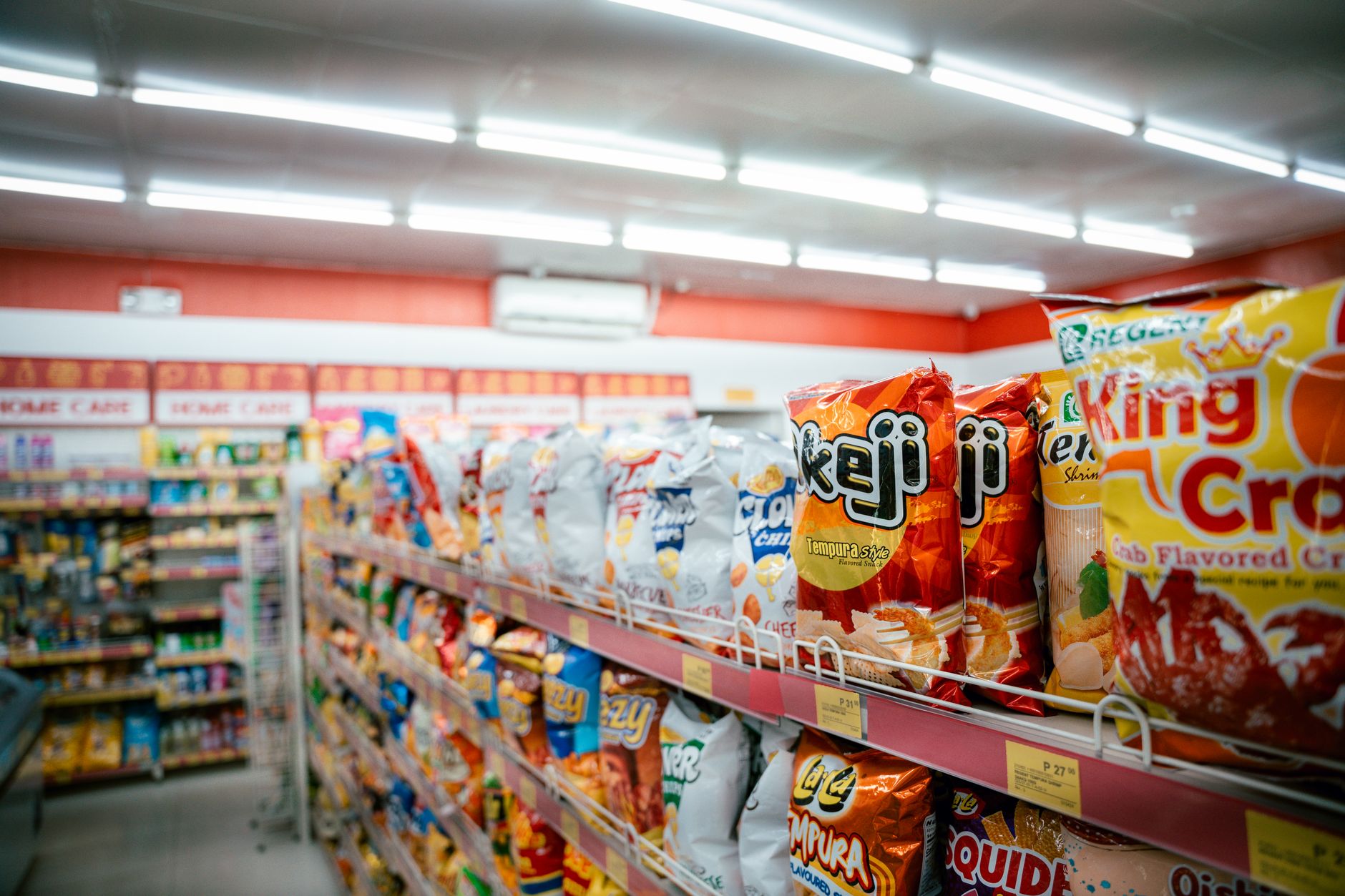
Pick 3–5 products you genuinely prefer the name brand version of, and switch to store brand on everything else. Most people discover they can't tell the difference on the vast majority of products.
Reduce Meat Frequency
Meat is the most expensive item in most grocery carts. A typical household that eats meat at every dinner might spend $400–$600/month just on protein. Reducing to 3–4 meat-based dinners per week and replacing the rest with eggs, beans, lentils, tofu, or pasta can cut protein costs by 40–60%.
This doesn't require becoming vegetarian. It requires two or three dinners per week that don't feature chicken, beef, or pork as the centerpiece. Shakshuka, lentil soup, pasta e fagioli, bean tacos, and vegetable fried rice are all satisfying, inexpensive, and genuinely easy to make.
Stop Throwing Food Away
The USDA estimates that American households waste 30–40% of the food they purchase. For a family spending $1,200/month on groceries, that's $360–$480 in food thrown away every month.
The interventions that actually reduce food waste:
- Shop more frequently, in smaller quantities rather than doing one giant weekly shop
- Store food correctly — many items last much longer than people assume with proper storage
- Keep a "use first" section in your fridge where food approaching its expiration date is placed at eye level
- Embrace leftover meals as a legitimate and intentional part of your weekly plan
The cheapest grocery item is the one you already bought and haven't used yet.
Reconsider What "Buying in Bulk" Actually Saves
Warehouse clubs like Costco and Sam's Club have a reputation for savings, but the savings are conditional. Bulk buying genuinely saves money on non-perishable items you use regularly: toilet paper, dish soap, laundry detergent, canned goods, frozen meats.
It often costs money on perishables — because people buy a 5-pound bag of spinach, use a third of it, and throw the rest away. The per-unit price was great; the effective cost was not.
Apply the "will we actually use all of this before it goes bad" test before every bulk purchase.
The Cumulative Effect
None of these changes requires superhuman discipline or significant time investment. Together, they can realistically reduce a $1,200/month grocery bill to $700–$800/month without cutting the quality of what you eat. That's $400–$500 per month back in your pocket — over $5,000 per year.

The grocery store is not designed to help you spend less. Understanding that, and making deliberate decisions about where you shop, what you buy, and how you plan, is the most reliable path to meaningful savings.

