How to Read More Books Every Year
Reading more is less about finding time and more about eliminating the friction that stops you. These practical strategies can help you finish 20+ books annually.

November 21, 2025
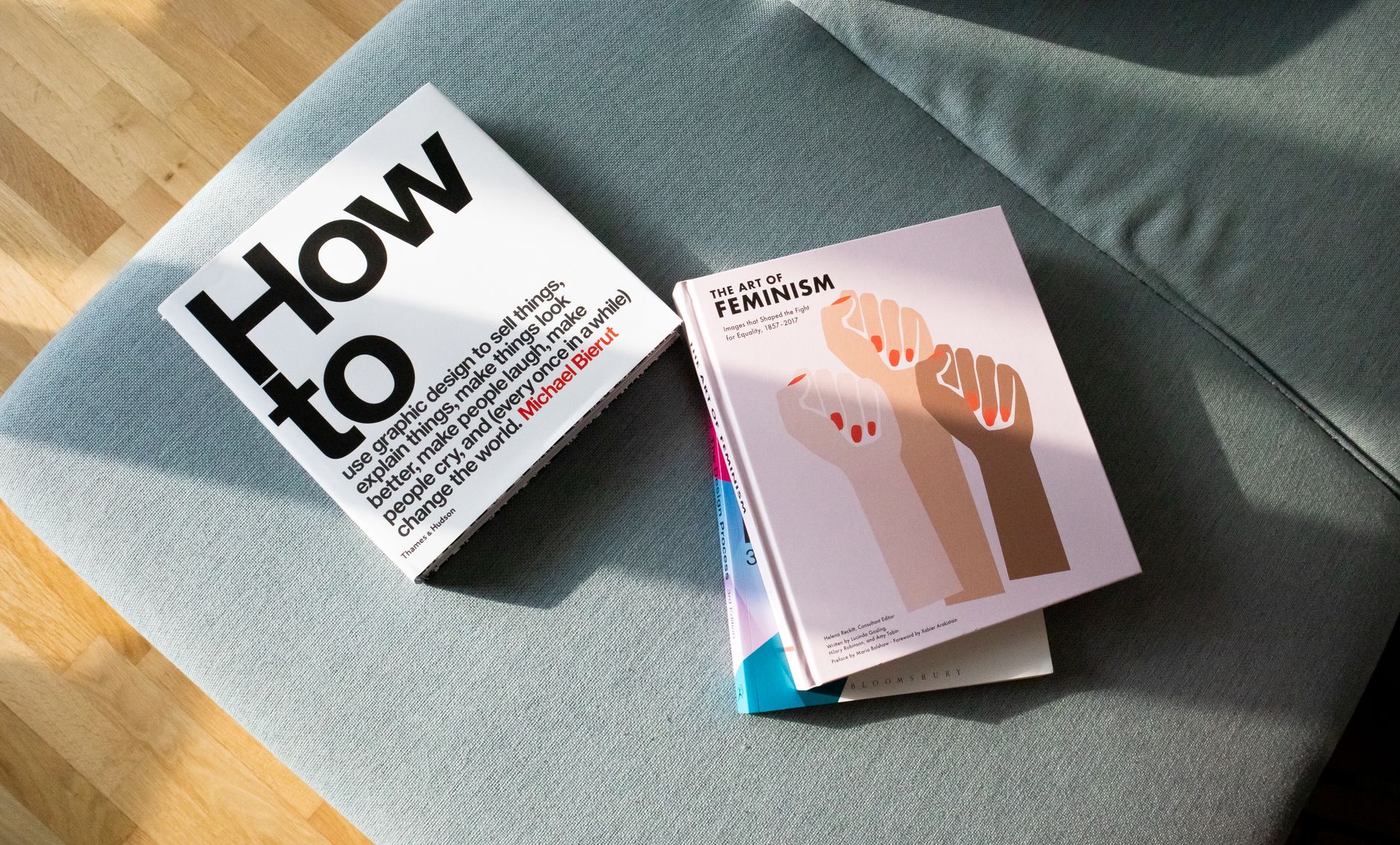
The average American reads 4 books per year. The average CEO reads 60. The gap isn't intelligence or free time — most research suggests avid readers don't have significantly more leisure time than non-readers. The gap is habit design: eliminating friction, building cues, and protecting reading time from low-value screen time.
Here's how to reliably read more without turning it into a joyless obligation.
Reframe What "Reading" Means
Many people mentally categorize reading as one specific activity: sitting quietly with a physical book for 30+ uninterrupted minutes. This narrow definition creates a high bar that rarely gets met.
Read also
10 Morning Habits That Change EverythingAudiobooks count. Kindle apps count. E-readers count. Fifteen minutes counts. Reading on your phone while waiting at the doctor counts.
Most avid readers aren't reading in long, perfect sessions — they're reading in every gap available because books are accessible in multiple formats and devices.
Strategy 1: Always Have a Book in Progress
The biggest cause of reading slowdown: finishing a book and having nothing immediately ready to read. Even a few days of book-hunting breaks the habit.

Keep a "to-read" list of 10–20 books (Goodreads is useful for this). When you finish one, the next is already chosen. Keep your current book loaded on your phone, kindle, or app before you finish the previous one.
Strategy 2: Use Audiobooks for Dead Time
The average American commutes 27 minutes each way. Add exercise, cooking, cleaning, grocery shopping, and household tasks, and you have 1.5–2 hours of potential audiobook listening daily.
At 1.25x–1.5x playback speed (which becomes comfortable quickly), that's 90+ minutes of effective reading time from activities you were already doing.
At 1.5x speed, a 10-hour audiobook takes about 6.5 hours. One audiobook per week is entirely achievable from commute and household tasks alone.
Services: Audible ($15/month, 1 credit), Libro.fm (supports independent bookstores), or your local library's Libby app (often free access to thousands of audiobooks with a library card).
Strategy 3: Read Before Bed Instead of Scrolling
The average American spends 3+ hours per day on their phone. Just 30 minutes of that replaced with reading produces 182 hours of reading per year — enough for 20–30 books depending on length and speed.

The practical switch: charge your phone outside your bedroom. Keep a physical book or e-reader on your nightstand. The book is what you reach for instead of your phone.
This has an additional benefit: reading before sleep is more conducive to falling asleep than screen use, which delays melatonin production.
Strategy 4: Read Multiple Books Simultaneously
Counter-intuitively, reading multiple books at once often results in reading more, not less. You match the book to your mood and context:
- A light non-fiction book for daytime reading or commuting
- A novel for bedtime
- A technical or challenging book for focused weekend sessions
People often stall on a single book when they're not in the mood for that particular book but have nothing else available. Multiple concurrent books eliminate this problem.
Strategy 5: Lower the Standard for "Quitting"
Sunk cost thinking — "I've started it so I have to finish it" — is one of the biggest reading killers. The time you spent on a bad book is gone regardless of whether you finish it. The only question is whether you spend the next 5 hours on it too.
Give a book 50 pages. If you're not engaged, stop. The "50 page rule" (some use the formula: 100 minus your age) is liberating. Life is too short and the list too long to grind through books that aren't working for you.
Strategy 6: Create Environmental Cues
Books you can see, you read. Books stored away, you forget. Place physical books in the places you naturally wait:
- Kitchen counter (for morning coffee)
- Bedside table
- Coffee table
- Bag or backpack
Reduce friction to zero: bookmark your place, keep it open-face, have it ready. Every extra step between you and reading reduces probability.
Strategy 7: Track and Review
Tracking what you read — with Goodreads, a simple spreadsheet, or a notebook — has two benefits: accountability (seeing an empty tracking sheet is motivating) and the ability to review what you read (brief notes on key ideas dramatically improve retention).

You don't need detailed reviews. Three sentences: what the book was about, the most useful idea, and one thing you'll change or implement.
The Annual Reading Math
- 30 minutes before bed: ~12 books/year
- Add 30 minutes of audiobooks from commute: +12 more
- One weekend morning per week: +4–6 more
That's 28–30 books per year from about 1 hour daily average — most of it replacing low-value phone time or from commuting you're already doing. The math is achievable by almost anyone.