How to Wake Up Early and Actually Feel Good
Stop dreading mornings. Learn science-backed strategies to wake up early feeling refreshed, energized, and ready to conquer your day.
April 10, 2026

Waking up early doesn't have to feel like torture. If you're groaning at your alarm, hitting snooze five times, and stumbling through your morning like a zombie, you're not alone. But here's the truth: feeling good when you wake up is entirely possible—and it starts the night before.
The difference between people who naturally bounce out of bed and those who struggle isn't willpower. It's strategy. In this guide, we'll explore practical, science-backed methods to transform your mornings from dreaded to delightful.
Why Early Rising Feels So Hard
Before we dive into solutions, let's understand the problem. Your body operates on a circadian rhythm—a 24-hour internal clock that regulates sleep-wake cycles. When you force yourself awake before your body is ready, you're fighting against biology itself.
Research from the University of California found that 70% of people who struggle with early mornings have misaligned sleep schedules with their natural chronotype. This means they're literally trying to wake against their body's programming.
Additionally, waking during deep sleep stages creates what sleep scientists call "sleep inertia"—that foggy, disoriented feeling that can last 30 minutes or longer. The goal isn't just waking early; it's waking during lighter sleep stages when your brain is more responsive.
Prepare the Night Before
Set Your Sleep Foundation
The secret to feeling good when you wake up starts when you go to bed. Here's what matters most:
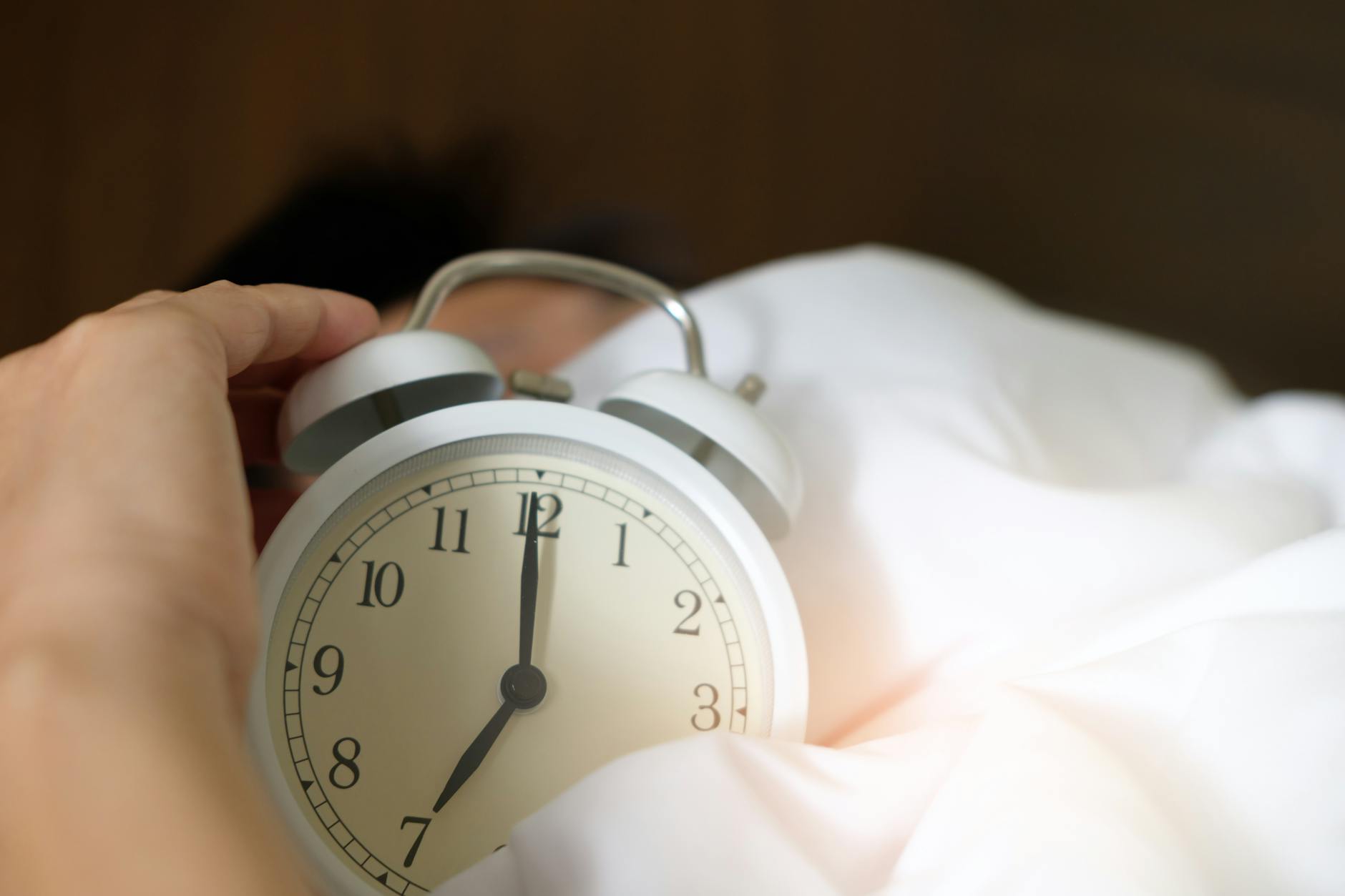
Maintain consistent sleep timing: Go to bed and wake at the same time every day, even weekends. This stabilizes your circadian rhythm and makes early waking feel natural within 2-3 weeks.
Create optimal sleep conditions: Your bedroom should be cool (60-67°F), dark, and quiet. Consider blackout curtains and white noise machines. Poor sleep quality guarantees a terrible morning, regardless of how early you rise.
Reduce blue light exposure: Stop using phones, tablets, and computers 60 minutes before bed. Blue light suppresses melatonin, making it harder to sleep and waking feeling groggy. Use the "Night Shift" or "Dark Mode" settings if you must use devices.
Plan Your Morning Wins
Success starts with intention. Before bed, decide:
- What time you'll wake (and stick to it)
- What you'll do first (coffee? exercise? meditation?)
- What you'll wear (lay it out to eliminate decisions)
- What you'll eat (prep if possible)
This removes decision fatigue and creates momentum. As entrepreneur James Clear writes in Atomic Habits, the first two hours of your day shape your entire mindset.
Master Your Alarm Strategy
Your alarm is the most crucial tool for waking well. Here's how to use it effectively:
Use the right alarm sound: Skip harsh buzzes. Choose a gradual, pleasant sound—nature sounds, bird songs, or gentle music. Apps like Sunrise Alarm Clock simulate a natural sunrise, easing you awake.
Place your alarm across the room: This forces you to physically get up, preventing snooze button temptation. The moment your feet hit the floor, gravity and momentum work with you.
Try a sunrise alarm clock: Devices that gradually increase light intensity actually reset your circadian rhythm and make waking feel natural. Users report falling asleep faster and waking more alert.
Avoid snoozing entirely: That extra 10 minutes fragments your sleep and creates more grogginess. Yes, it's hard at first. But within one week, your body adapts and you'll feel better for it.
Nail Your First 30 Minutes
What happens after your alarm is everything. This is when you're most vulnerable to sliding backward.

Get Immediate Wins
-
Drink water first: Before coffee, before anything. Dehydration causes grogginess and fatigue. Drink 16-20 ounces of water immediately. This also activates your metabolism and digestive system.
-
Get sunlight exposure: Within 15 minutes of waking, spend time in natural light. Sunlight triggers cortisol release, the hormone that promotes alertness. Even 10 minutes by a window helps. On cloudy days, bright indoor lights work too.
-
Move your body: You don't need intense exercise. A 5-minute stretch, 10 jumping jacks, or a brisk walk around your home increases heart rate and oxygen flow. Movement combats sleep inertia faster than anything else.
-
Skip the phone initially: Resist checking emails or social media. Instead, spend your first 15-20 minutes on something restorative—journaling, stretching, breathing exercises, or a cold shower.
The Cold Shower Hack
If you're desperate for quick alertness, a cold shower is remarkably effective. Even 30 seconds of cold water:
- Increases adrenaline and dopamine
- Activates your parasympathetic nervous system
- Boosts mental clarity within minutes
You don't need freezing water. Start with cool and gradually decrease temperature as you acclimate.
Optimize Your Evening Hours
The 3-2-1 Rule
Work backward from your wake time:
- 3 hours before bed: Stop eating large meals. Digestion interferes with sleep quality.
- 2 hours before bed: Stop working or doing stressful activities. Transition to calming tasks.
- 1 hour before bed: Stop consuming screens and caffeine. Begin your wind-down routine.
Establish a Sleep Ritual
Consistency signals your brain it's time to rest. Try:
- Herbal tea (chamomile, passionflower, valerian root)
- Reading physical books
- Gentle stretching or yoga
- Meditation or breathing exercises
- Progressive muscle relaxation
Your ritual should take 20-30 minutes and be something you genuinely enjoy. This becomes an anchor that improves both sleep quality and morning alertness.
Address Common Obstacles
"I work late shifts": Consistency matters more than the specific time. If you work evenings, maintain the same sleep-wake schedule every day, including days off.
"I have kids who wake me up": Set your alarm 30 minutes before they typically wake. This gives you protected morning time for your routine, making you calmer and more patient.
"I'm not a morning person": You might not be, but you can become one. Your chronotype is partially genetic but highly trainable. Give any new routine 21-30 days before evaluating effectiveness.
"I feel worse despite waking early": You might need more sleep total. Track how you feel with 7, 8, and 9 hours of sleep to find your optimal amount.
Create Accountability
Share your goals with someone. Tell a friend, family member, or join an online community focused on morning routines. Apps like Streaks or Habitica gamify habit formation and provide motivation.
The Two-Week Challenge
Start with just these three things:
- Same wake time daily (even weekends)
- Water + sunlight within 15 minutes
- No snooze button
Track how you feel each morning on a simple scale of 1-10. Within two weeks, you'll notice improvement. This early success builds momentum for adding additional strategies.
The Bottom Line
Waking up early and feeling good isn't about superhuman willpower. It's about working with your biology, not against it. By respecting your sleep needs, optimizing your environment, and creating intentional morning rituals, you transform mornings from something you dread into something you actually enjoy.
Start small, be consistent, and give yourself grace. Your future self—the one who's already showered, hydrated, and ready before 7 AM—will thank you.


