How to Wake Up Early Without Feeling Terrible
Early rising doesn't have to mean chronic suffering. The right adjustments to your sleep schedule make waking up at 5 or 6am feel completely natural.
October 23, 2025

The idea of becoming an early riser seems appealing in theory — quiet mornings, time before the world wakes up, productivity before 8am. But most people who attempt it experience the same result: a few days of miserable early alarms followed by a return to the old schedule.
The failure usually isn't willpower. It's strategy. Waking up early without the accompanying misery requires working with your biology, not against it.
The Circadian Clock Problem
Your body has an internal 24-hour clock — the circadian rhythm — governed primarily by light. This clock determines when you feel alert and when you feel sleepy through hormones like melatonin and cortisol.
The reason waking early feels terrible when you're not used to it: your circadian clock hasn't shifted to match your new wake time. Your body still expects to sleep until 7:30am when you're yanking yourself up at 5:30. The groggy, barely-functional feeling is real — it's a physiological state called sleep inertia, compounded by incomplete sleep cycles.
The key is shifting your circadian clock to genuinely want to wake early — not forcing your way through the wrong phase.
Step 1: Move Gradually, Not All at Once
The most common mistake: going from an 8am wake time to 5:30am overnight. Your circadian rhythm can only shift about 15–20 minutes per day.

Move your alarm back by 15 minutes every 2–3 days. Going from 7:30am to 6:00am takes about 2–3 weeks this way. It feels slow, but each adjustment is small enough that your body adapts without major sleep inertia.
Step 2: Adjust Bedtime First
Waking early without going to bed earlier is just sleeping less. That produces the terrible feeling people associate with early rising — it's not early rising, it's sleep deprivation.
For every 30 minutes you pull your alarm forward, pull your bedtime forward by the same amount. Protect 7–8 hours.
Going to bed at 9:30–10pm may feel odd at first, especially if social patterns or screen habits push you to midnight. But the earlier bedtime is as important as the earlier alarm.
Step 3: Use Light as Your Primary Tool
Light is the most powerful circadian clock regulator available. Two key uses:

Morning light to advance your clock: Get outdoor light exposure within 30–60 minutes of waking. Even cloudy days provide 10,000–50,000 lux of natural light — far more than indoor lighting. This signals to your circadian system that it's morning, helping your clock gradually shift earlier.
Evening darkness to trigger sleep: Dim your home environment 1–2 hours before bed. Avoid bright overhead lights; use floor lamps and warm-toned bulbs. Bright light in the evening delays melatonin release, making it harder to fall asleep early.
Light-blocking curtains can also help — waking before sunrise means you need protection from ambient light later in the morning that might fragment sleep.
Step 4: Set a Non-Negotiable Wake Time
Your alarm is the anchor point of your circadian rhythm. Waking at the same time every day — including weekends — is more important than when you go to bed for establishing a stable sleep schedule.
Social jetlag (sleeping in on weekends) is one of the biggest obstacles to becoming a consistent early riser. A 2-hour sleep-in on Saturday effectively shifts your clock backward two time zones, making Monday morning brutal.
If you must flex on weekends, limit the deviation to 30–60 minutes.
Step 5: Make Your Alarm Non-Negotiable
Put your phone or alarm across the room so you have to physically get up to turn it off. Once your feet hit the floor, the battle is 80% won.
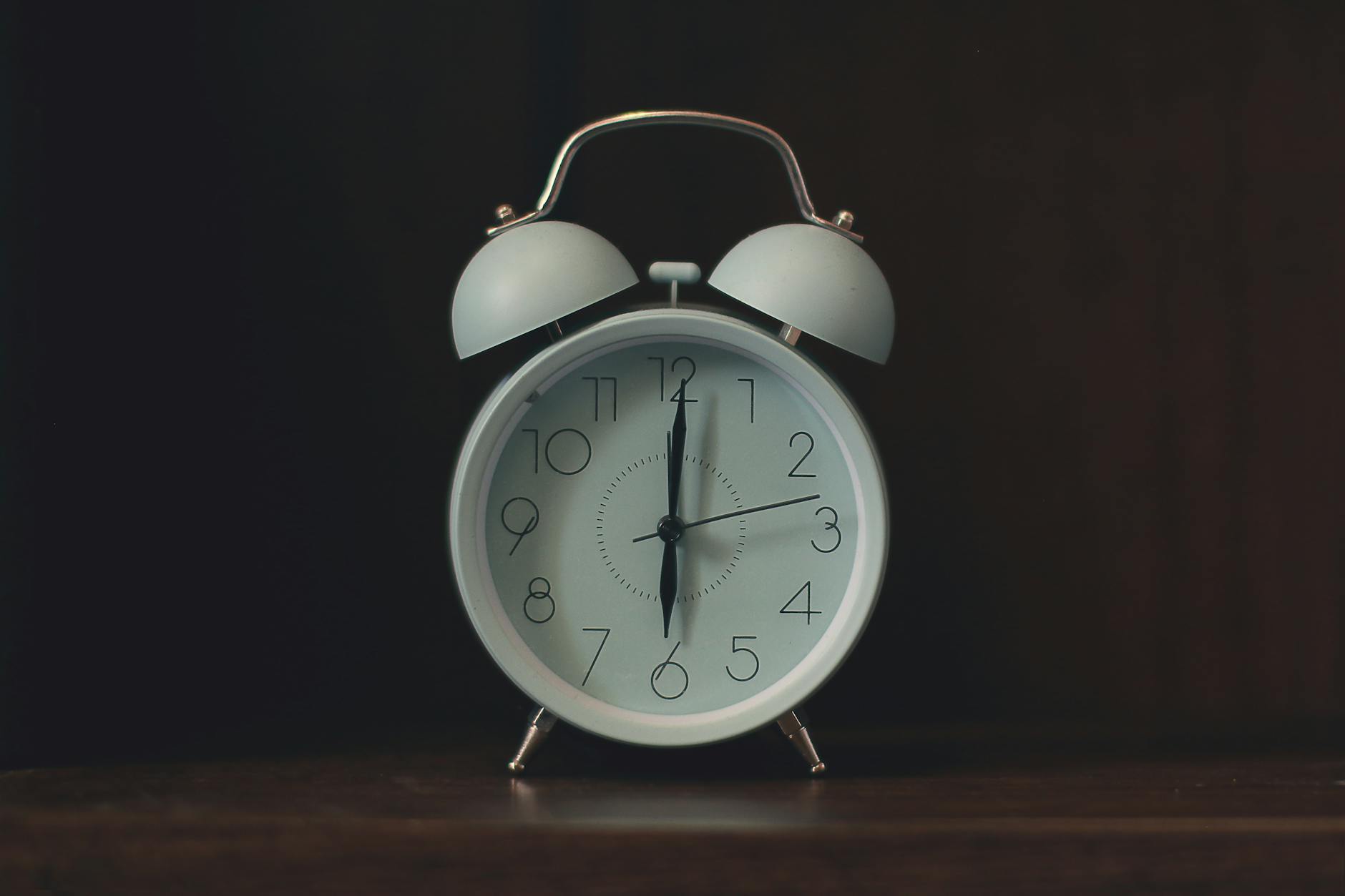
Some people use apps like Alarmy, which require you to solve a puzzle or take a photo of a specific object in your house to dismiss the alarm. This sounds extreme but is highly effective for chronic snooze-button users.
Step 6: Give Early Mornings a Purpose
"I want to wake up early" is too vague. "I wake up at 5:30 to have 90 minutes of quiet time to read and exercise before my family wakes up" is a purpose. The more concrete and valued the morning activity, the easier the early alarm becomes to meet.
Many early risers describe eventually looking forward to their morning — the quiet, the sense of being ahead of the day. That shift usually takes 3–4 weeks of consistent practice.
The Timeline for Real Adaptation
Weeks 1–2: Difficult. Sleep inertia, evening tiredness, may not feel natural. Weeks 3–4: Getting easier. Body adjusting, easier to fall asleep early. Week 5+: New normal. Waking early feels natural; sleeping late may feel disorienting.
Consistency is the only lever. The biology adapts, but it requires time and consistent signals to do so.


