Simple Ways to Reduce Phone Screen Time
The average person spends 4+ hours daily on their phone. These practical techniques help you reclaim that time without eliminating the genuine utility of your device.

December 5, 2025

The average person unlocks their phone 96 times per day and spends over 4 hours on it. That's 28 hours per week — more than a part-time job. Most of this isn't intentional use; it's compulsive checking driven by app designs specifically engineered to capture and hold attention.
App designers work with neuroscientists to make their products as habit-forming as possible. Variable reward schedules (not knowing what you'll see when you open the app) are the same mechanism that makes slot machines addictive. Understanding this makes it easier to not feel like you're failing when you can't just "put it down."
The good news: relatively small structural changes to your phone's environment significantly reduce compulsive use without requiring constant willpower.
1. Remove Social Media Apps from Your Phone
The most effective single step. Social media is not less useful on a desktop browser — it's more useful, actually, because the full features are better on larger screens. But the phone app is specifically designed for mindless, frequent, short-session use.
Removing the app doesn't mean quitting social media. It means accessing it deliberately, from a computer, when you choose to — not in every idle moment throughout the day.
Most people who do this report the urge to check disappears within 1–2 weeks because the phone no longer triggers the habit loop.
2. Keep Your Phone Out of Your Bedroom
The bedroom phone is one of the most impactful design decisions in your environment. If your phone is your alarm clock, it's the last thing you interact with before sleep and the first thing you reach for after waking — before your brain has fully engaged.

Buy a $10 alarm clock. Charge your phone in the kitchen or hallway. This change alone typically reduces daily screen time by 30–60 minutes and improves both sleep quality and morning mental clarity.
3. Turn Off All Notifications Except Critical Communication
Most notifications don't require immediate action. They exist to pull you back into an app. Each notification trains your brain to check your phone by creating an incomplete loop that demands resolution.
Keep notifications for: Calls, direct messages from real people, calendar reminders, and banking alerts.
Turn off notifications for: Social media, news apps, shopping apps, email (you check email intentionally, not reactively), games, and any app that hasn't earned the right to interrupt you.
On iPhone: Settings → Notifications → go through each app individually. On Android: Settings → Apps → each app → Notifications.
4. Use Grayscale Mode
Color is part of what makes apps engaging. Studies have found that switching phones to grayscale reduces screen time because the apps become visually less stimulating and rewarding.

On iPhone: Settings → Accessibility → Display & Text Size → Color Filters → Grayscale. (Set a triple-click shortcut to toggle quickly for photo viewing.)
Many people keep grayscale on from evening onward, when blue light and stimulation are most disruptive to sleep.
5. Create Phone-Free Zones and Times
Designating specific times and places as phone-free removes the decision-making burden from every moment:
- Meals: No phone at the dinner table — family or solo. Research shows that the mere visible presence of a phone (even face-down) reduces conversation quality and focus.
- First 30 minutes after waking: Establish your mental state before consuming anyone else's content
- Last hour before sleep: Reduces blue light exposure and anxiety before bed
- Work focus blocks: Use Do Not Disturb or an app blocker for 90-minute deep work sessions
6. Use an App Blocker for Your Problem Apps
Willpower-based approaches fail eventually because they require continuous effort. Structural solutions are more reliable. App blockers create friction that breaks the habit loop:
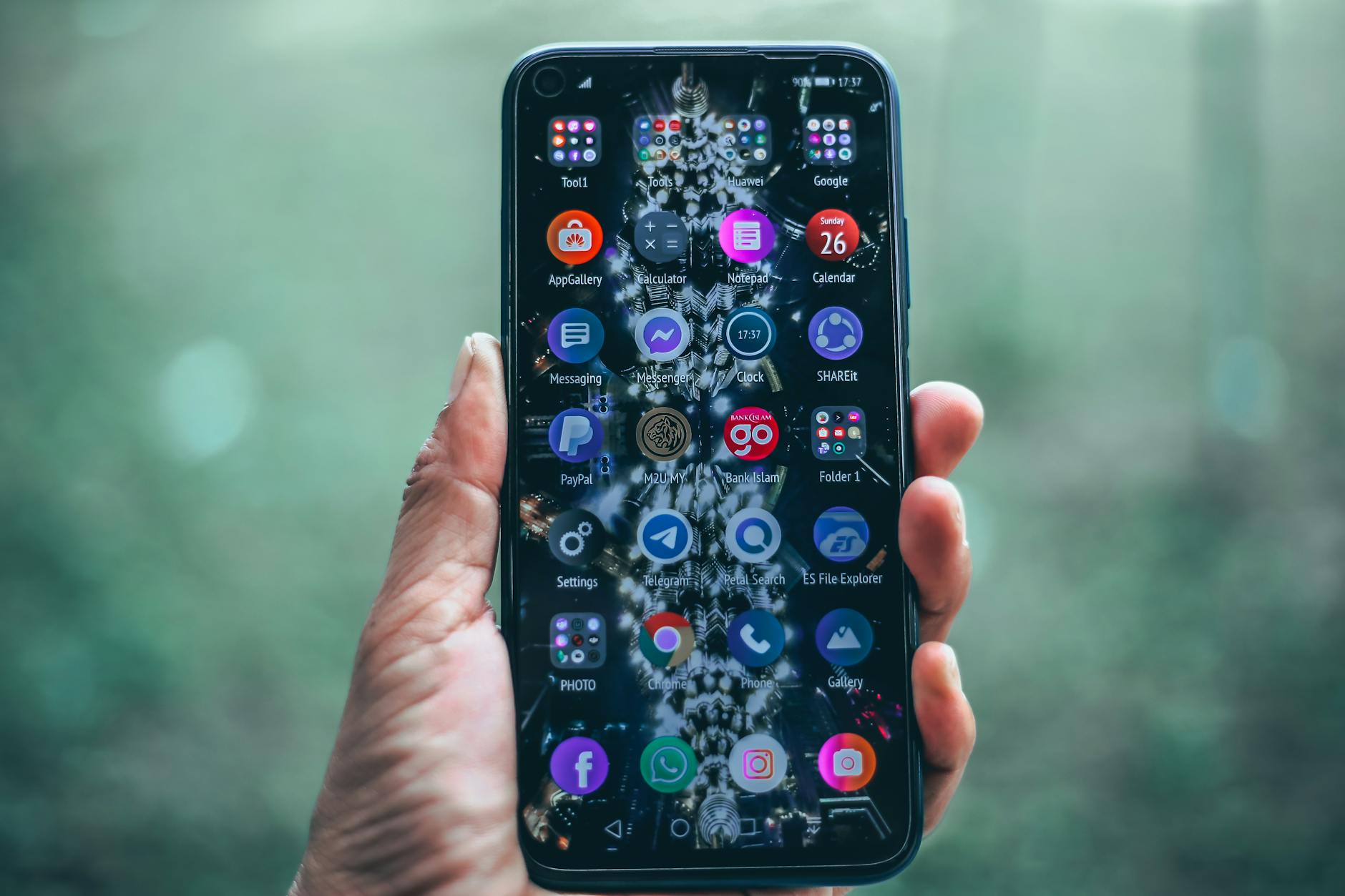
- iOS: Screen Time (built-in) → App Limits. Set a daily time limit for social media or entertainment apps.
- Android: Digital Wellbeing → Dashboard → App Timer.
- Third-party (stronger): Freedom, Cold Turkey, or Opal — these can block apps even if you're tempted to override them, with delayed override options (making you wait 15 minutes before accessing a blocked app).
7. Charge Your Phone Away from Your Desk
If your phone is within arm's reach while working, you'll pick it up constantly. Keep it in a different room, or at minimum across the room — requiring you to stand up and physically retrieve it. This small physical barrier dramatically reduces the frequency of mindless checking.
8. Replace, Don't Just Restrict
Reducing phone use works better when you're replacing it with something, not just creating a void:
- A physical book within reach (replaces bedtime scrolling)
- A journal on your desk (replaces idle phone checking)
- A walk to clear your head (replaces stress-checking)
- A conversation (replaces social media browsing)
The Compound Effect of Less Screen Time
People who successfully reduce phone use to 1.5–2 hours daily (from the 4+ average) typically report: improved sleep quality, better concentration, less anxiety, more time for meaningful activities, and improved real-world social connections.
The goal isn't to make your phone useless — it's to use it intentionally, on your terms, rather than being used by it.