Solar Panels Just Got a Lot More Efficient — What the Breakthrough Means
A new type of solar panel has hit 34% efficiency in lab tests — nearly double the average commercial panel. Here's what the perovskite revolution means for energy and your electricity bill.

April 13, 2026
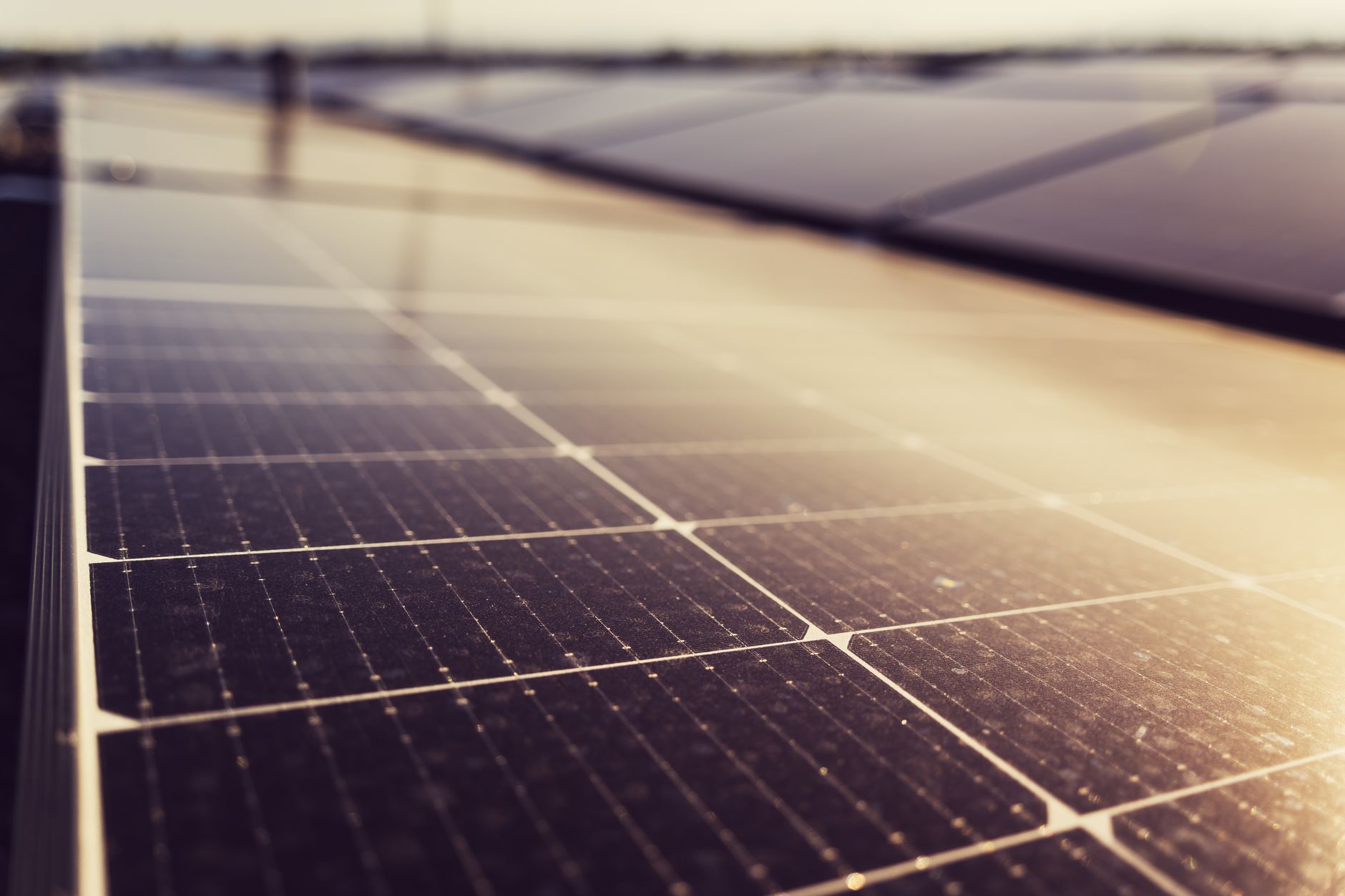
Solar energy has been on a steady improvement curve for decades — panels getting cheaper, more efficient, and more widely deployed. But a new development in 2026 represents something more significant: a genuine efficiency breakthrough that could accelerate the solar transition dramatically.
Tandem perovskite solar cells have hit power conversion efficiencies exceeding 34% in laboratory conditions. To understand why that number matters, you need to know where we're starting from.
The Efficiency Problem With Current Solar Panels
Most solar panels you see on rooftops today are made from silicon, a technology that has been refined over 60+ years. Commercial silicon panels typically achieve efficiency rates of 18-22% — meaning they convert 18-22% of the sunlight hitting them into electricity.
There's a fundamental physical limit to how efficient a single-junction silicon solar cell can be — the Shockley-Queisser limit — which caps theoretical efficiency at around 29%. The best commercial silicon panels are approaching this ceiling. Making them more efficient through conventional means is increasingly expensive for diminishing returns.
Perovskite solar cells offer a way around this constraint.
What Is Perovskite?
Perovskite refers to a crystal structure — not a single material — that can be tuned to absorb different portions of the solar spectrum. The name comes from the mineral perovskite (calcium titanium oxide), though the solar cells use synthetic versions with similar crystal structures.

Perovskite cells can be manufactured at lower temperatures than silicon, potentially using simpler printing processes. They can be made thin and flexible. And crucially, they can be combined with silicon cells in a "tandem" configuration to capture more of the sun's energy.
How Tandem Cells Work
A silicon cell absorbs some wavelengths of light efficiently but wastes energy from others. A perovskite cell can be tuned to absorb the wavelengths silicon misses.
Stack them together — a perovskite layer on top of a silicon layer — and you capture a much larger portion of the solar spectrum than either material could alone. This is the tandem approach, and it's why efficiencies exceeding 34% are now achievable.
For comparison, the best commercial silicon panels hit around 23%. Increasing efficiency from 23% to 34% means you get the same electricity from panels roughly 30% smaller — or much more electricity from the same roof space.
Why Hasn't Perovskite Taken Over Already?
The breakthrough is real, but significant challenges remain before these cells appear on rooftops at scale.

Durability — Silicon solar panels routinely last 25-30 years in outdoor conditions. Early perovskite cells degraded quickly when exposed to moisture, heat, and UV light. This remains the primary challenge, though significant progress has been made. Leading research groups are now demonstrating perovskite cells with stability equivalent to years of outdoor exposure.
Lead content — The highest-performing perovskite formulations contain lead, which raises environmental and regulatory concerns. Lead-free alternatives exist but currently underperform their lead-containing counterparts.
Manufacturing at scale — Lab efficiency and production efficiency are different things. Scaling up from small laboratory cells to full-sized panels while maintaining high efficiency is a significant engineering challenge.
Cost — The manufacturing processes for tandem cells are currently more expensive than silicon-only panels, though costs are expected to fall as production scales up.
What This Means for the Energy Transition
Even accounting for the remaining challenges, the trajectory is clear: solar panels are getting significantly more efficient, and the cost of solar electricity continues to fall.
The International Energy Agency projects that solar will be the largest source of electricity generation globally by the early 2030s. Higher-efficiency panels accelerate this transition by:
- Making solar viable in locations with less sunlight
- Reducing the land area needed for utility-scale solar farms
- Improving the economics of rooftop solar, particularly for homes with limited roof space
What It Means for Your Electricity Bill
In the near term — the next 2-3 years — you're unlikely to see tandem perovskite panels available for residential installation. The technology is still moving from laboratory to commercial production.

What you will see is continued cost reductions in existing silicon technology, driven in part by competition from emerging technologies. Solar installation costs have fallen over 90% in the past decade and continue to decline.
If you're considering solar panels now, today's silicon panels are still a sound investment in most markets. If you can wait 5-7 years, the panels available then will likely be significantly more efficient and possibly cheaper per watt.
The Bigger Picture
The history of solar energy is a history of steady, compounding improvement — each advance building on the last. The perovskite breakthrough is the latest chapter in that story, not the final word.
What's different now is the scale of deployment. Solar is no longer a niche technology. It's the fastest-growing source of electricity globally, and efficiency improvements of the magnitude now being demonstrated in laboratories will matter at a scale that affects every country's energy future.
The sun delivers more energy to Earth in one hour than humanity uses in an entire year. The question has never been whether solar can power the world — it's always been about how efficiently and affordably we can capture it. In 2026, we just got a significant step closer.