The Fascinating Science of How Habits Are Formed
Discover the neuroscience behind habit formation, why habits stick, and proven strategies to build better routines that last.

April 13, 2026
Every morning, you probably do the same thing. Maybe you reach for your phone before your eyes are fully open, brew coffee without thinking about the steps, or take the exact same route to work. These automatic behaviors aren't random — they're the product of a powerful neurological process that has been shaping human behavior for millennia. Understanding the science behind how habits form doesn't just satisfy curiosity; it hands you the keys to redesigning your daily life from the ground up.
The Habit Loop: Your Brain's Operating System
In the early 2000s, researchers at MIT made a groundbreaking discovery while studying the brains of rats navigating a maze. They found that as the rats learned the route, brain activity in the basal ganglia — a cluster of structures deep in the brain — increased, while activity in the cerebral cortex (responsible for decision-making) decreased dramatically. In other words, the brain was shifting the behavior from conscious effort to autopilot.
This process is what neuroscientists call chunking, and it's the foundation of every habit you've ever formed. Your brain converts a sequence of actions into an automatic routine to conserve mental energy. And it does this through a three-part cycle known as the habit loop:
- Cue — A trigger that tells your brain to initiate the behavior. This could be a time of day, an emotional state, a location, or even a preceding action.
- Routine — The actual behavior or sequence of actions you perform, which can be physical, mental, or emotional.
- Reward — The positive outcome your brain receives, which reinforces the loop and makes it more likely to repeat.
Charles Duhigg popularized this framework in his bestselling book The Power of Habit, but the underlying science stretches back decades. The key insight is this: your brain doesn't distinguish between "good" habits and "bad" habits. It simply automates whatever loop gets reinforced most consistently.
What Happens Inside Your Brain During Habit Formation
When you perform a new behavior for the first time, your prefrontal cortex — the brain's executive control center — works overtime. You're actively thinking, deciding, and problem-solving. But with repetition, something remarkable happens.
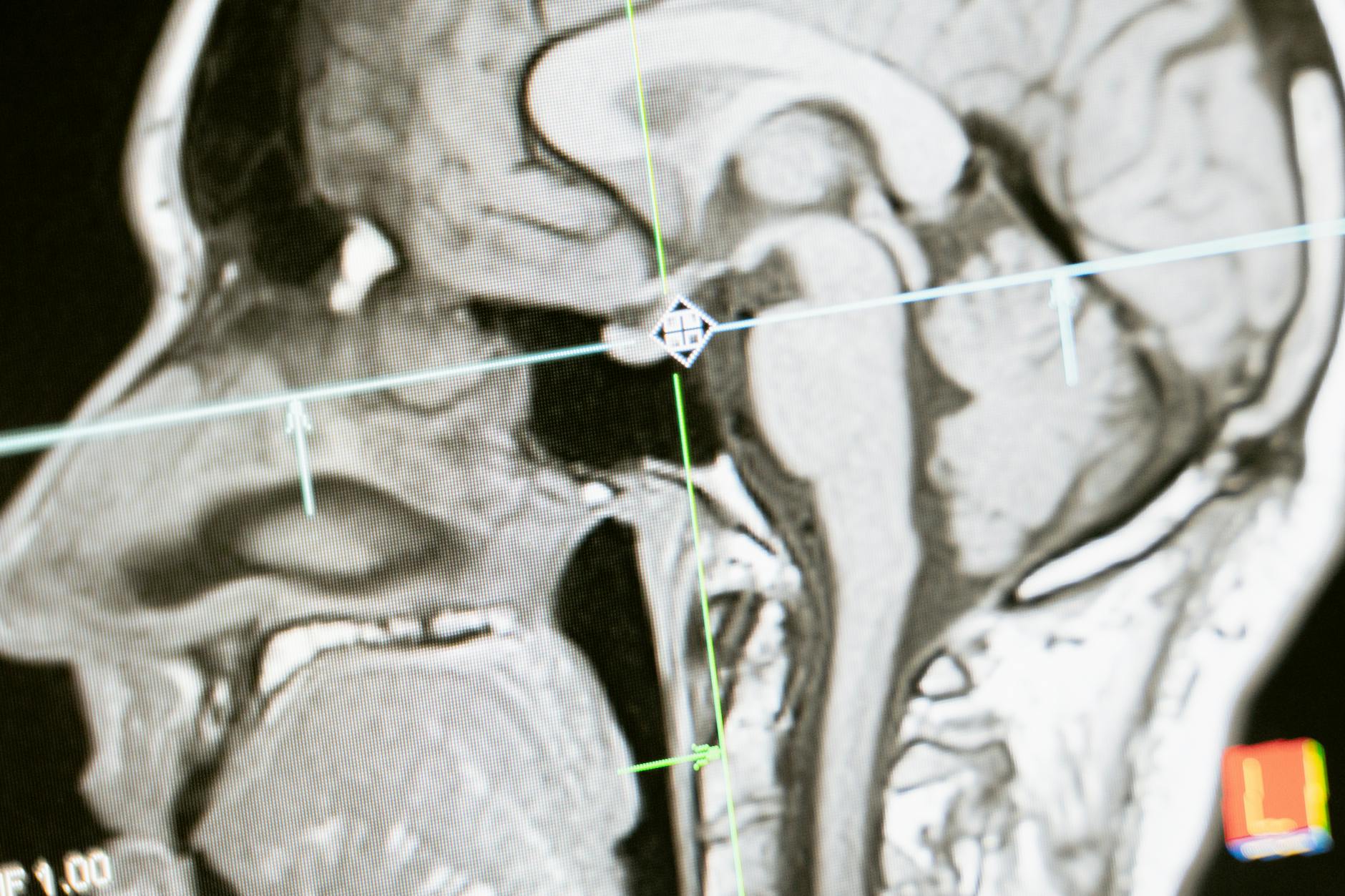
Neural pathways associated with the behavior become increasingly myelinated, meaning they develop a fatty insulating layer that allows electrical signals to travel faster and more efficiently. Think of it like a dirt trail gradually being paved into a highway. The more you travel the route, the smoother and faster it gets.
Simultaneously, dopamine plays a critical role. Initially, dopamine spikes when you receive the reward. But over time, the dopamine release shifts earlier in the loop — eventually firing at the cue itself, before you even perform the behavior. This is why the mere sight of your running shoes can create a sense of anticipation if you've built a consistent exercise habit, or why the notification sound on your phone creates an almost irresistible urge to check it.
A 2009 study published in the European Journal of Social Psychology by Dr. Phillippa Lally and her team at University College London found that it takes an average of 66 days for a new behavior to become automatic — not the commonly cited 21 days. However, the range was enormous, spanning from 18 to 254 days depending on the person and the complexity of the behavior. This tells us something important: habit formation is highly individual, and patience is non-negotiable.
Why Some Habits Stick and Others Don't
If you've ever started a new habit with great enthusiasm only to abandon it within weeks, you're not alone — and you're not weak. There are specific neurological and psychological reasons why some habits take hold while others crumble.
The Reward Must Be Immediate
Our brains are wired to prioritize immediate rewards over delayed ones. This is why scrolling social media (instant dopamine) is easier to habitualize than saving money (reward is months or years away). To make a new habit stick, you need to engineer an immediate reward that your brain can latch onto.
- Example: If you're building a reading habit, pair it with your favorite tea or a cozy blanket. The sensory pleasure becomes the immediate reward that reinforces the loop.
The Cue Must Be Consistent
Habits form fastest when they're anchored to a reliable, consistent trigger. Vague intentions like "I'll meditate more" are far less effective than specific implementation intentions.
- Weak cue: "I'll exercise this week."
- Strong cue: "When I pour my morning coffee, I'll do 10 minutes of stretching in the kitchen."
This technique, known as habit stacking (attaching a new behavior to an existing habit), leverages your brain's existing neural pathways to build new ones more efficiently.
Friction Matters More Than Motivation
Motivation is unreliable — it fluctuates with mood, energy, and circumstances. What actually predicts habit formation is environmental design. Research consistently shows that reducing friction for desired behaviors and increasing friction for undesired ones is far more effective than relying on willpower.
- Want to eat healthier? Put fruit on the counter and move junk food to a high, hard-to-reach shelf.
- Want to check your phone less? Leave it in another room while you work.
- Want to go to the gym? Sleep in your workout clothes.
These may sound trivial, but they work because they align with how your brain actually makes decisions — through the path of least resistance.
How to Build a New Habit: A Practical Framework
Based on the neuroscience, here's a step-by-step approach to building habits that last:
- Choose one habit at a time. Trying to overhaul your entire life simultaneously overwhelms the prefrontal cortex and leads to decision fatigue.
- Define a specific cue. Tie it to a time, location, or existing behavior. "After I brush my teeth at night, I will write in my journal for five minutes."
- Start absurdly small. The goal isn't performance — it's repetition. One push-up. One page. One minute of meditation. You can scale up later; right now, you're building the neural pathway.
- Reward yourself immediately. Even a simple internal acknowledgment — "I did it" — combined with a small pleasure can reinforce the loop.
- Track your progress. Visual tracking (like marking an X on a calendar) creates a secondary reward loop. You begin to feel motivated by the streak itself.
- Plan for disruption. Missing one day doesn't destroy a habit, but missing two days in a row dramatically increases the likelihood of quitting. Have an "emergency minimum" version of your habit for difficult days.
The Dark Side: How Bad Habits Hijack the Same System
It's worth acknowledging that the same neurological machinery that builds beneficial habits also entrenches destructive ones. Substance addiction, compulsive phone use, emotional eating — these all follow the exact same cue-routine-reward loop, often with even more powerful dopamine reinforcement.
The good news is that neuroscience suggests habits are never truly erased — they're overwritten. The old neural pathway remains, but you can build a stronger, newer pathway that takes priority. This is why identifying the cue and the reward of a bad habit is so critical. If you can keep the same cue and reward but substitute the routine, you have the highest chance of lasting change.
For instance, if stress (cue) triggers snacking (routine) because it provides comfort (reward), you might replace snacking with a five-minute walk or deep breathing exercise that delivers a similar sense of relief.
The Bigger Picture
Habits are not just individual behaviors — they're the architecture of your identity. Every action you repeat is a vote for the type of person you're becoming. Understanding the science behind habit formation isn't just intellectually interesting; it's profoundly empowering. It means that change isn't about having superhuman discipline. It's about working with your brain's natural wiring rather than against it.

Start small. Be specific. Stay patient. And remember: the 66 days it takes to build a new habit are a tiny investment compared to the years of automatic benefits that follow.