Best Smart Home Devices in 2026
Smart home technology has matured. These devices deliver genuine convenience — not just novelty — and most work together regardless of brand.

April 13, 2026

Smart home devices promised to transform daily life, and after years of fragmented ecosystems and clunky apps, that promise is finally being delivered. The 2026 smart home landscape is defined by Matter — a universal connectivity standard supported by Apple, Google, Amazon, and Samsung — meaning most devices now work reliably across ecosystems without the compatibility nightmares of a few years ago.
Here are the devices that provide genuine value, not just novelty.
Smart Speakers and Displays
Amazon Echo (4th Generation, ~$100) remains the best all-around smart home hub. The spherical design, 360-degree sound, built-in Zigbee hub (connecting smart bulbs and locks without a separate hub), and Alexa's deep smart home integration make it the practical choice for most homes.
Read also
The Best Free Productivity Apps of 2026Google Nest Hub (2nd Gen, ~$100) excels for those in the Google ecosystem. The 7-inch display makes it particularly useful as a kitchen assistant — recipe step-by-step, video calls, and a visual dashboard for smart home controls.
Apple HomePod mini (~$100) offers exceptional audio quality in a small package and is the best choice for iPhone users who want Siri integration and HomeKit's privacy-first approach.
Smart Lighting
Smart lighting has the highest convenience-to-cost ratio of any smart home category.
Philips Hue remains the quality leader — excellent app, outstanding reliability, and the widest selection of bulb styles. Starter kits (bridge + 2–3 bulbs) run $80–$130. Supports Matter.
IKEA Tradfri offers the best value: solid reliability at roughly half the price of Hue. Works with Apple Home, Alexa, and Google Home.
Govee and Wyze offer very affordable smart bulbs ($7–$15 each) that work without a hub via Wi-Fi.
The practical setup: Smart bulbs in main living areas + smart switches for rooms where multiple people control lights (smart switches work even when the bulb is off). Automations that turn lights on at sunset and off at bedtime are set once and provide value indefinitely.
Smart Thermostat
Google Nest Learning Thermostat (~$180) has been the category leader for over a decade. It learns your schedule, automatically adjusts for energy savings when you leave, and has the cleanest interface. Compatible with most HVAC systems.
Ecobee SmartThermostat Premium (~$200) competes closely with added features: built-in Alexa, remote room sensors to address uneven temperatures, and superior HVAC compatibility documentation.
Both typically pay for themselves in 1–2 years in energy savings.
Smart Lock
August Wi-Fi Smart Lock Pro (~$200) installs over your existing deadbolt (preserving your physical key), connects via Wi-Fi without a hub, and integrates with every major smart home platform. Access logs show exactly when your door was unlocked and by whom.
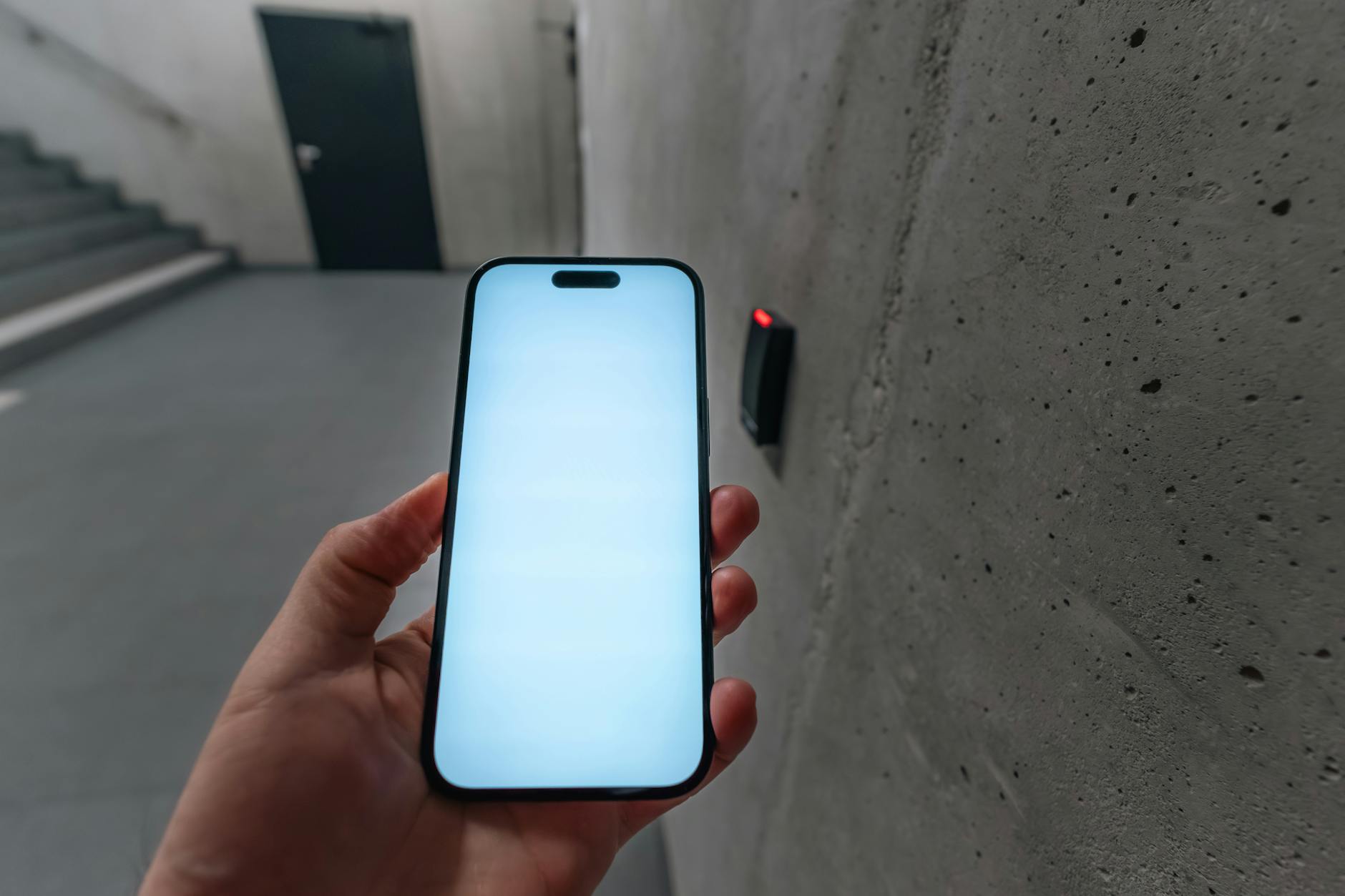
Schlage Encode Plus (~$230) is built into a full new deadbolt with exceptional security ratings. Supports Matter. The physical keypad means guests can enter without a smartphone.
Video Doorbell
Ring Video Doorbell (Battery, ~$100) is the most popular choice for its ease of installation (no wiring required), sharp video, and extensive Amazon/Alexa integration. The Ring Protect subscription ($3.99/month) enables video history and smart alerts.
Google Nest Doorbell (~$180) uses an AI to intelligently distinguish between packages, people, and animals — reducing false alerts significantly. Best for Google Home users.
Smart Plugs
Amazon Smart Plug ($15) is the lowest-friction entry point into smart home automation. Plug any device in and control it via voice or schedule — great for lamps, fans, and coffee makers. A set of four runs about $50 and can automate four devices immediately.
Robot Vacuum
Roborock Q5+ (~$350) is the best mid-range option: strong suction, accurate room mapping, self-emptying base, and voice control integration. Programs specific rooms and works around furniture reliably.
iRobot Roomba j7+ (~$500) excels at object avoidance — it detects and avoids pet waste and cables without issue.
Building Your Smart Home: Where to Start
Start with three categories:

- Smart speaker as the control hub (one in the main living area)
- Smart lighting in the rooms you use most (living room, bedroom)
- Smart plugs to automate a few high-use devices
This gives you immediate daily value with minimal investment. Expand from there based on actual use patterns — the devices you use become obvious, and the ones that seem appealing but sit untouched become obvious too.
Pick an ecosystem and stick to it. Apple HomeKit, Google Home, and Amazon Alexa each have their strengths. Matter is improving cross-ecosystem compatibility, but devices within a single ecosystem still integrate more seamlessly.
The 2026 smart home doesn't require technical expertise. Most devices configure in minutes via smartphone app, and the automations that genuinely improve daily life — lights that turn on when you arrive home, thermostat that adjusts when you leave — take less than 5 minutes to set up.