What Is iOS 27? New Features Apple Didn't Announce Onstage
Apple's WWDC 2026 keynote only scratched the surface. Discover the hidden iOS 27 features that could change how you use your iPhone daily.

June 10, 2026
Apple just wrapped up its WWDC 2026 keynote yesterday, and as always, the stage presentation was a carefully curated highlight reel. Craig Federighi charmed the audience with demos of the marquee features — the redesigned Control Center, deeper Apple Intelligence integration, and the ambitious new spatial widgets. But if you've been digging through the developer documentation and beta release notes like we have, you know there's a treasure trove of features Apple simply didn't have time to show off. Let's break down what iOS 27 actually brings to the table, including the stuff that flew completely under the radar.
The Big Picture: What Is iOS 27?
iOS 27 is Apple's next-generation operating system for iPhone, announced at WWDC on June 9, 2026. It's expected to ship to the public this fall, likely in September alongside new iPhone hardware. This year's release is being described internally — and now publicly by developers — as Apple's most AI-forward update yet, building on the Apple Intelligence foundation laid in iOS 18 and expanded in iOS 19 through iOS 26.
According to Apple, over 92% of iPhone users on supported devices adopted the previous major iOS release within six months. That install base means every new feature in iOS 27 will reach hundreds of millions of people almost immediately — making the hidden features all the more significant.
Features Apple Showcased Onstage
Before we get to the hidden gems, here's a quick recap of what Apple did announce during the keynote:
- Redesigned Control Center 3.0 — Fully customizable with third-party module support and contextual suggestions powered by Apple Intelligence.
- Spatial Widgets — Interactive 3D widgets that respond to device orientation and proximity sensors.
- Apple Intelligence Agents — Multi-step AI agents that can perform complex tasks across apps, like booking a dinner reservation and adding it to your calendar in one command.
- Live Transcription Everywhere — System-wide real-time transcription for any audio, including phone calls, voice memos, and third-party apps.
- Revamped Photos App — An AI-powered narrative mode that automatically creates story-driven albums from your library.
These are genuinely impressive. But the keynote was only about 90 minutes long for all platforms combined, which means a lot was left on the cutting room floor.
The Hidden iOS 27 Features You Need to Know About
1. Per-App Cellular Data Prioritization
Buried in the Settings framework, iOS 27 introduces granular control over how cellular bandwidth is allocated between apps. You can now designate certain apps as "high priority" for data, meaning your video call won't stutter just because a background app decided to download a massive update.
This is a game-changer for anyone who relies on mobile data in congested areas or while traveling. Think of it as Quality of Service (QoS) settings, but for your iPhone.
2. Intelligent Do Not Disturb Profiles
Apple Intelligence now powers automatic Do Not Disturb profiles that learn your behavior. Instead of manually toggling Focus modes, iOS 27 can:
- Detect when you're in a meeting based on calendar context and ambient audio
- Recognize when you're exercising and suppress non-urgent notifications
- Identify sleep wind-down patterns even before your scheduled bedtime
- Allow breakthrough notifications from contacts who message repeatedly within a short window (customizable threshold)
This goes well beyond the existing Focus system and doesn't require any manual setup after the initial learning period.
3. Secure App Archiving With State Preservation
We've had app offloading for years, but iOS 27's new archiving system preserves the complete app state — including your login sessions, in-progress work, and cached data — in an encrypted local archive. When you restore the app weeks later, it picks up exactly where you left off, as if no time had passed.
For people constantly managing storage on 128GB devices, this is a quiet revolution.
4. Background Sound Recognition API for Third-Party Apps
Apple has opened up its on-device sound recognition engine to developers. This means third-party apps can now listen for specific sounds — a baby crying, a doorbell, a smoke alarm — and trigger custom actions without needing to build their own audio ML models.
Practical example: A smart home app could listen for your dog barking and automatically activate a pet camera, all processed on-device with zero cloud dependency.
5. Enhanced Journal Suggestions With Health Context
The Journal app now pulls in data from Apple Health to offer emotionally intelligent writing prompts. If it detects a particularly restful night of sleep or an unusually high-stress day (via heart rate variability), it tailors prompts accordingly.
- Had a great workout? Journal might suggest reflecting on physical accomplishments.
- Sleep quality dropped three nights in a row? It might gently prompt you to explore what's on your mind.
All processing stays on-device, consistent with Apple's privacy-first stance.
6. Dynamic Text Size per App
This one is subtle but powerful. iOS 27 lets you set individual text sizes for each app — not just system-wide. You might want larger text in Mail for readability but smaller text in Safari to see more content on screen. Previously, this required accessibility workarounds that were inconsistent at best.
7. Siri Conversational Memory
While Apple showcased the new Intelligence Agents, they didn't mention that Siri now maintains conversational memory across sessions. Ask Siri about flights to Tokyo on Monday, and on Wednesday you can say, "Book the one I liked," and Siri understands the reference. The memory window appears to span up to seven days and is fully deletable from Settings.
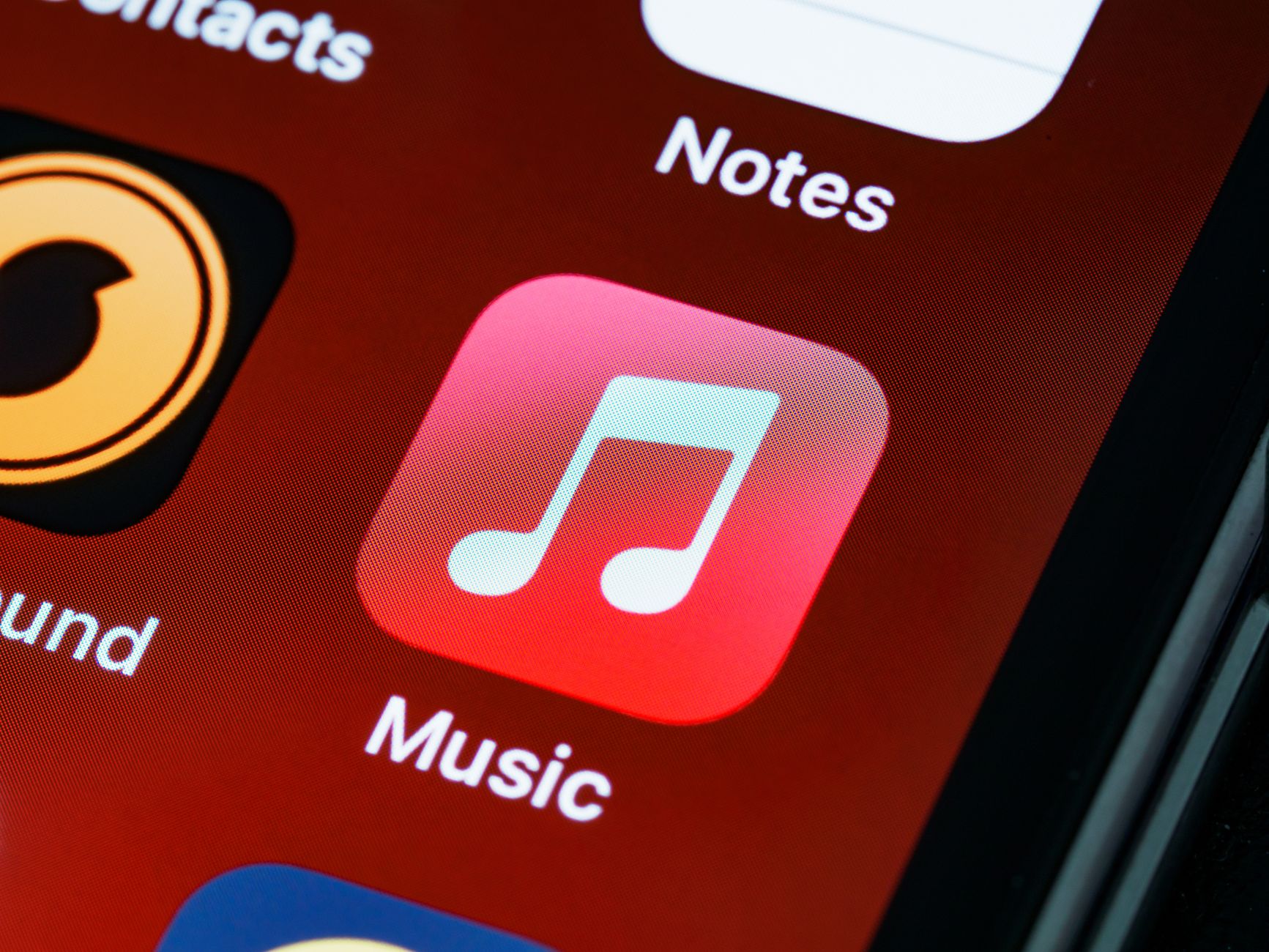
8. Collaborative Playlists With Voting in Apple Music
Apple Music now supports collaborative playlists where participants can upvote or downvote songs. The playlist dynamically reorders based on collective preferences — perfect for road trips, parties, or shared household playlists. Spotify has offered collaborative playlists for years, but the voting mechanism is a fresh twist.
Under-the-Hood Improvements Developers Will Love
Not every hidden feature is user-facing. Some of the most impactful changes are for developers:

- Swift Assist 2.0 — Xcode's AI coding assistant now supports multi-file refactoring and can generate unit tests from natural language descriptions.
- Push Notification Batching API — Apps can now request intelligent batching of non-urgent notifications, reducing interruptions without sacrificing delivery.
- On-Device Translation Kit Expansion — Now supports 27 languages (up from 19), with significantly faster inference times on A17 Pro and later chips.
- HealthKit Mood Tracking — A new API for mental health apps to read and write mood data with user permission, enabling a new ecosystem of wellness applications.
When Can You Try These Features?
The iOS 27 developer beta is available now as of June 9, 2026. The public beta typically follows in July, with the full public release in September. If you're tempted to install the developer beta on your primary device — don't. Early betas are notoriously unstable, and battery life alone will test your patience.
Our recommendation: Wait for the public beta at minimum, or better yet, install it on a secondary device if you have one available.
Why the Hidden Features Matter
Apple's keynote is a marketing event, and the company naturally highlights features with the broadest visual appeal. But the features that actually change your daily experience are often the ones tucked away in release notes and developer sessions. Per-app text sizing, intelligent DND, and cellular data prioritization might not make a flashy demo, but they solve real frustrations that millions of users deal with every day.

iOS 27 is shaping up to be one of Apple's most feature-dense releases in years. The headline features are exciting, but the full picture — the one you won't see in a two-minute recap video — is even more compelling. Keep an eye on the developer sessions throughout the rest of WWDC this week, because Apple is clearly still revealing cards from a very deep deck.