High-Protein Breakfast Ideas That Keep You Full Until Lunch
Starting your day with 25–30g of protein reduces hunger, stabilizes blood sugar, and improves focus. These quick, practical breakfast ideas deliver the protein without the preparation time.

May 27, 2026
There is growing consensus in nutrition science on one breakfast recommendation: eat more protein in the morning. Research consistently shows that higher-protein breakfasts reduce hunger hormones, stabilize blood sugar, reduce overall calorie intake throughout the day, and improve cognitive performance in the morning hours.
The problem is practical. Most high-protein foods require more preparation time than a bowl of cereal. But with a little planning, getting 25–30g of protein at breakfast is genuinely achievable on any weekday.
Why Protein at Breakfast Specifically?
Protein is more satiating than carbohydrates or fat — it reduces ghrelin (the hunger hormone) more effectively and increases peptide YY and GLP-1 (satiety hormones) for longer. A breakfast delivering 25–30g of protein can meaningfully reduce how much you eat at lunch and throughout the afternoon.
There's also a thermic effect: your body burns approximately 20–30% of protein calories just in the process of digesting it, compared to 5–10% for carbohydrates and 0–3% for fat. This gives protein a metabolic advantage beyond its satiety benefits.
A 2020 study in the American Journal of Clinical Nutrition found that participants who ate high-protein breakfasts consumed an average of 135 fewer calories at lunch and reported greater satiety throughout the morning compared to those who ate high-carbohydrate breakfasts.
Quick Breakfasts (Under 10 Minutes)
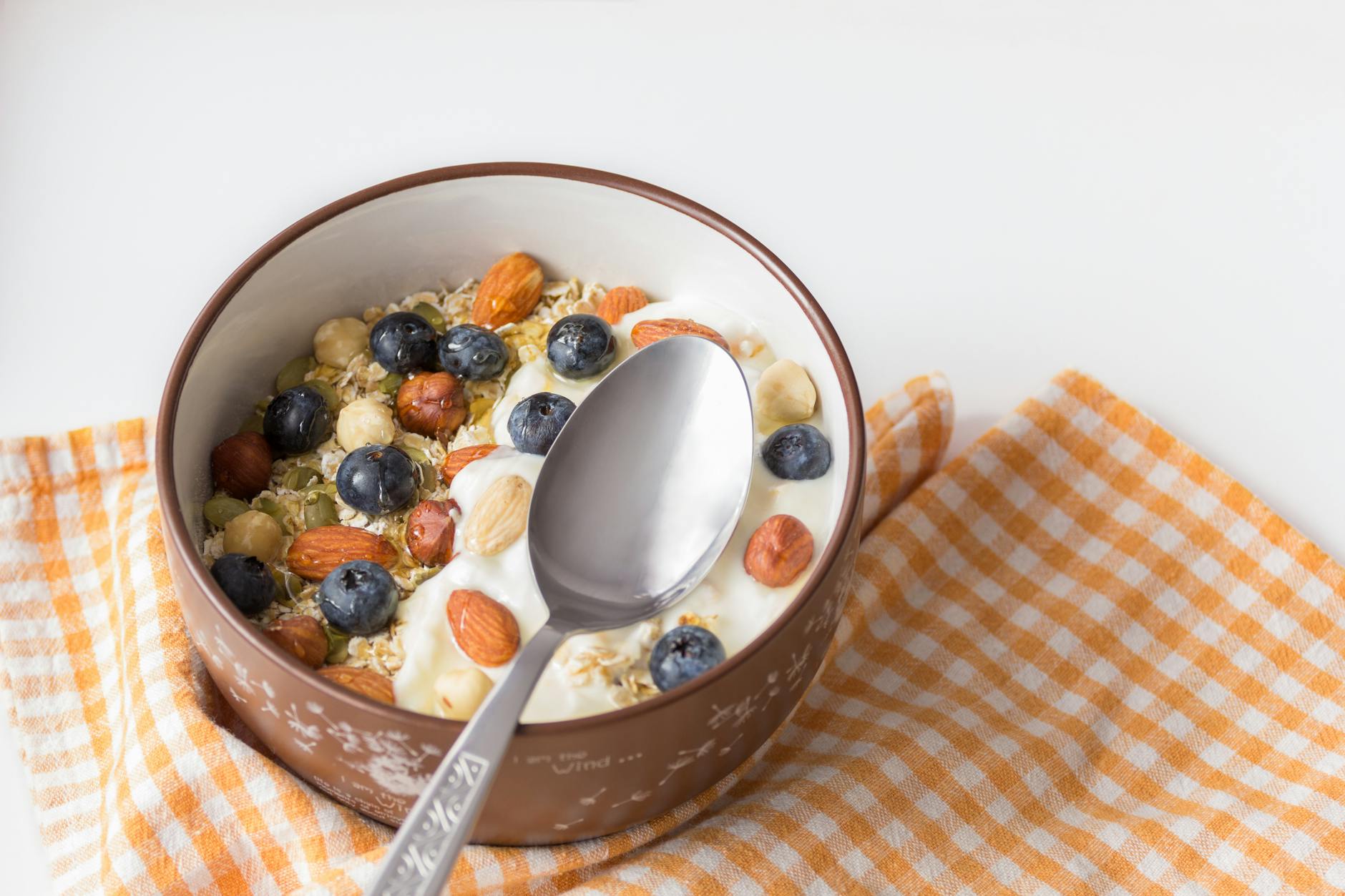
Greek Yogurt Power Bowl — 25g protein
Take 200g (about 3/4 cup) of full-fat or 2% Greek yogurt and top it with:
Read also
15-Minute Healthy Dinner Recipes
- 2 tablespoons of hemp seeds (10g protein on their own)
- A handful of berries
- A drizzle of honey or a tablespoon of nut butter
This comes together in two minutes and delivers around 25g of protein with excellent texture and flavor. Choose plain Greek yogurt over flavored to avoid added sugar — you control the sweetness.
Protein sources: Greek yogurt (17g per 200g serving), hemp seeds (10g per 3 tbsp), optional nut butter (4g per tablespoon)
Cottage Cheese Toast — 22g protein
Toast two slices of whole grain bread. Top with 1/2 cup cottage cheese, sliced tomatoes, a pinch of salt, black pepper, and fresh herbs or everything bagel seasoning.
Cottage cheese has largely been overlooked in recent years, but it's one of the most protein-dense foods available: about 25g of protein per cup, mostly from casein — a slow-digesting protein that provides sustained satiety.
Two-Egg Scramble with Cheese — 20g protein
Scramble two eggs with 30g of shredded cheddar or mozzarella in two minutes. Add whatever vegetables you have — spinach wilts in 30 seconds, cherry tomatoes need no prep. Two large eggs deliver about 12g protein; the cheese adds another 7–8g.
Add a side of Greek yogurt or a scoop of cottage cheese to push this to 30g without meaningfully increasing prep time.
Meal-Prep Breakfasts (Prepare Once, Eat All Week)
Egg Muffins — 18–22g per serving (3 muffins)
Whisk 8 eggs with a splash of milk, salt, and pepper. Stir in your fillings of choice: diced bell peppers, onions, spinach, cheese, turkey, or whatever you have. Pour into a greased 12-cup muffin tin and bake at 175°C (350°F) for 18–20 minutes.
This makes 12 muffins. Refrigerate them for up to five days, then grab three each morning and eat cold or microwave for 60 seconds. Total prep time: 25 minutes once per week.
Overnight Oats with Protein — 28g protein
Combine in a jar: 1/2 cup rolled oats, 1 cup unsweetened protein milk (or regular milk plus a scoop of vanilla protein powder), 2 tablespoons chia seeds, and a tablespoon of nut butter. Stir and refrigerate overnight. Top with banana or berries in the morning.
Chia seeds deserve special mention: 2 tablespoons provide 4g of protein plus 10g of fiber, which significantly extends satiety. This breakfast takes 3 minutes to prepare the night before.
Greek Yogurt Parfait Jars — 30g protein
Layer in a mason jar: 200g Greek yogurt, 2 tablespoons hemp seeds, 1/4 cup granola, and fruit. Prepare three or four jars on Sunday — they keep in the refrigerator for three days.
Higher-Effort but High-Reward
Smoked Salmon and Eggs — 30g protein
Scramble two eggs and plate with 60g smoked salmon, a tablespoon of cream cheese or Greek yogurt, capers, and whole grain toast. Smoked salmon provides about 12g of high-quality protein per 60g serving, plus omega-3 fatty acids. This is a weekend-style breakfast worth building into a weekday rotation.

Protein Smoothie — 30g protein
Blend: 1 cup Greek yogurt or protein milk, 1 scoop vanilla protein powder, 1 banana, 2 tablespoons nut butter, and a handful of spinach (you won't taste it). This can be consumed in five minutes and takes three minutes to prepare.
For people who genuinely don't want to eat in the morning, smoothies make protein consumption feel like less of a meal — which psychologically makes it easier to get the macros in.
Getting the Numbers Right
You're aiming for 25–35g of protein at breakfast. A few rough benchmarks:
- 2 large eggs: 12g
- 100g Greek yogurt: 9g
- 3 tablespoons hemp seeds: 10g
- 1 cup cottage cheese: 25g
- 60g smoked salmon: 12g
- 1 scoop protein powder: 20–25g
- 30g cheddar cheese: 7g
Combining two to three of these sources reliably hits the target range without requiring elaborate preparation.