How to Cut Sugar Without Headaches or Cravings in the First Week
Quitting sugar doesn't have to feel miserable. Learn the science-backed strategies that make the first week manageable — and set you up for lasting results.

Published May 12, 2026 · Updated May 18, 2026

The first week of cutting sugar is notoriously brutal. You might have already experienced it: the splitting headache on day two, the overwhelming urge to raid the pantry by 3 PM, the inexplicable mood crash that makes you wonder if a cookie would just fix everything. Spoiler — it won't. But the struggle is real, and it's rooted in biology, not willpower.
According to a 2023 review published in the British Journal of Nutrition, added sugar consumption activates the same dopamine reward pathways in the brain as certain habit-forming substances, which explains why reducing it triggers genuine withdrawal-like symptoms. The good news? With the right preparation, those symptoms can be dramatically reduced. Here's how to get through the first week without suffering through it.
Understand What You're Actually Up Against
Before you can beat sugar cravings, you need to understand why they happen. When you regularly eat foods high in added sugars — sodas, pastries, flavored yogurts, sauces, cereals — your body adapts to expecting those glucose spikes. It adjusts hormone production, particularly insulin and cortisol, around that rhythm.
When you suddenly remove the sugar, blood glucose levels become temporarily unstable. That instability triggers cortisol spikes, which cause:
- Headaches (especially behind the eyes and at the temples)
- Fatigue and brain fog in the late morning or mid-afternoon
- Irritability and low mood, sometimes called "sugar crash anxiety"
- Intense cravings, usually peaking between days 2 and 4
Most people make the mistake of going cold turkey without any preparation, which makes all of these symptoms worse. The approach below works with your biology instead of fighting it.
Step 1: Don't Go Cold Turkey on Day One
Cutting sugar completely in a single day works for almost nobody. A gradual reduction over three to four days before fully eliminating added sugars gives your body time to stabilize blood sugar regulation and significantly reduces withdrawal symptoms.

A practical tapering schedule:
- Day 1–2: Cut obvious sources — sodas, candy, desserts, sweetened coffee drinks
- Day 3–4: Cut hidden sugars — flavored yogurts, most breakfast cereals, bottled sauces, fruit juices
- Day 5–7: Eliminate remaining added sugars and reduce high-glycemic refined carbs like white bread and white rice
This approach keeps the neurological shock to a minimum while your dopamine system recalibrates.
Step 2: Front-Load Protein and Fat at Every Meal
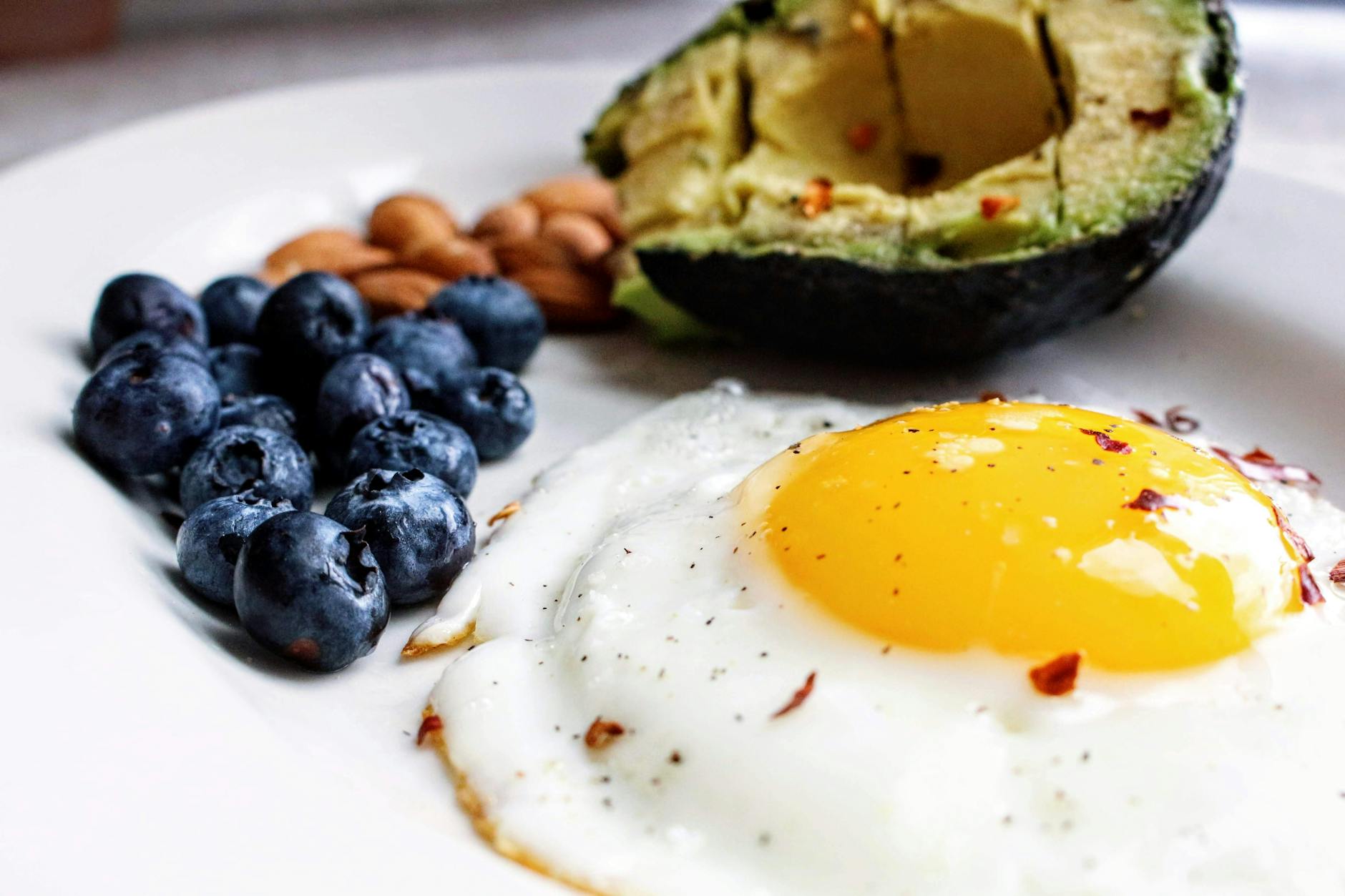
The single most effective tactic for preventing sugar cravings is stabilizing your blood sugar — and the best way to do that is eating enough protein and healthy fat at every meal, starting with breakfast.
When you eat a breakfast high in refined carbs (toast, cereal, orange juice), your blood sugar spikes and crashes within two hours, sending you directly into craving territory before lunch. When you eat a breakfast anchored by protein and fat, blood sugar stays stable for four to five hours.
Good breakfast examples:
- Two eggs scrambled with avocado and whole grain toast
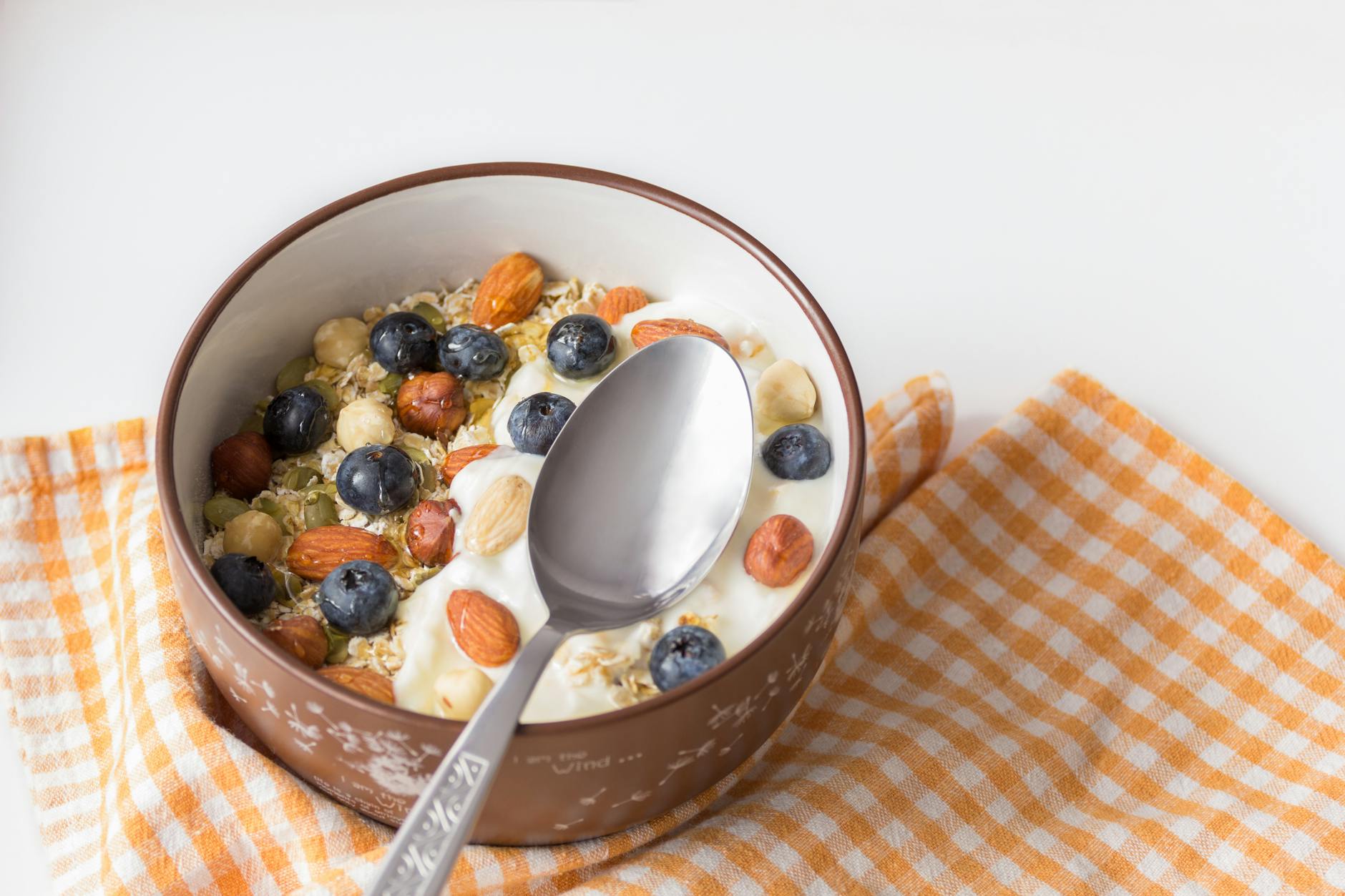
- Full-fat Greek yogurt (plain, unsweetened) with a handful of walnuts and berries
- Smoked salmon with cream cheese on a rice cake
Target at least 20–30 grams of protein per meal during the first week. It's not glamorous advice, but the research on this is consistent: higher protein intake directly reduces cravings for sweet and salty foods.
Step 3: Keep Naturally Sweet Foods on Hand
Total deprivation makes cravings worse. The goal isn't to punish your taste buds — it's to replace the dopamine hit from processed sugar with something your body can handle.

Whole fruits contain fructose, but they also come with fiber, water, and micronutrients that slow absorption and prevent the sharp spikes caused by refined sugar. During the first week, don't restrict fruit. A bowl of berries, a banana with almond butter, or a few medjool dates can satisfy a craving without derailing your progress.
Other naturally sweet options that work well as replacements:
- Sweet potatoes roasted with cinnamon — deeply satisfying and rich in fiber
- Roasted carrots — naturally sweeter when cooked, good as a side or snack
- Coconut water (unsweetened) — slightly sweet, hydrating, and replaces some electrolytes lost during sugar withdrawal
If you need to sweeten something — coffee, oatmeal, a sauce — a small amount of pure maple syrup or raw honey is meaningfully better than refined sugar or artificial sweeteners, which can perpetuate cravings by keeping your palate trained toward sweetness.
Step 4: Address Headaches Directly
The headaches that come with sugar reduction aren't just from blood sugar instability. They're also frequently caused by dehydration and electrolyte imbalance. When insulin levels drop, your kidneys excrete more sodium, which leads to fluid loss and can trigger tension-type headaches.
To prevent and manage these:
- Drink more water than you think you need — aim for at least 2.5 liters per day during week one
- Add electrolytes: a pinch of sea salt in your water, or coconut water, or a low-sugar electrolyte tablet
- Eat potassium-rich foods: bananas, spinach, avocado, and sweet potatoes all help
- Take magnesium (200–400mg before bed) — magnesium deficiency is common and worsens headaches; many people notice significant relief within two days
For headaches that do occur, a short walk outside, cold water on the back of the neck, and a 20-minute rest will often resolve them faster than reaching for pain medication.
Step 5: Handle the 3 PM Crash with a Planned Snack
Most sugar cravings have a predictable timing — late morning if breakfast was too light, or mid-afternoon when cortisol naturally dips around 3–4 PM. Planning a snack specifically for that window eliminates the moment of weakness before it starts.

Good 3 PM snacks that won't restart cravings:
- A small handful of mixed nuts (almonds, cashews, walnuts)
- Apple slices with natural peanut butter or almond butter
- A hard-boiled egg with a few cherry tomatoes
- Plain rice cakes with hummus or avocado
The key is eating this snack before the craving hits, not after. If you wait until you're already white-knuckling it past the vending machine, your willpower is already depleted. Timing is everything during week one.
Step 6: Fix Your Sleep and Stress First
This step gets overlooked because it doesn't feel immediately connected to food — but it is. Poor sleep raises ghrelin (the hunger hormone) and drops leptin (the fullness hormone), which dramatically increases cravings for high-sugar, high-calorie foods the next day.
A 2022 study from the University of Chicago found that participants who slept fewer than 6.5 hours consumed an average of 300 more calories from added sugars the following day compared to when they slept 8.5 hours. Sleep debt is quietly one of the biggest drivers of sugar dependency.
During your first week:
- Prioritize getting 7–9 hours, even if it means earlier bedtimes
- Limit caffeine after 2 PM to protect sleep quality
- Reduce evening screen time, which disrupts melatonin production
Similarly, chronic stress keeps cortisol elevated, which directly triggers cravings for quick energy sources — which your brain interprets as sugar. Short stress-reduction practices like 10 minutes of walking, five minutes of deep breathing, or a brief cold shower can lower cortisol enough to reduce cravings noticeably.
What to Expect by Day 7
If you follow this framework, the timeline looks something like this:

- Days 1–2: Mild fatigue, possibly some irritability
- Days 2–3: Peak difficulty — the headaches and cravings are most intense
- Days 4–5: Noticeably improved energy and mental clarity begin to emerge
- Days 6–7: Cravings diminish significantly; many people report their taste perception changing (fruit tastes sweeter, processed snacks taste cloying)
By the end of week one, most people are surprised by how much better they feel. The headaches are gone. Energy is steadier. Sleep is often deeper. And that background hum of "I want something sweet" that used to be constant has quieted considerably.
The first week is the hardest part. After that, your palate recalibrates, your brain rewires its reward response, and the cravings become increasingly manageable. The strategy isn't to suffer through it — it's to stack every possible advantage in your favor before day one even begins.