The Best Protein-Rich Foods That Help You Stay Full Longer
Hunger is the enemy of every healthy eating plan. These protein-rich foods have the highest satiety per calorie — meaning they keep you full far longer than most people expect.

June 16, 2026
The most common reason healthy eating plans fail isn't lack of willpower. It's hunger. When you're genuinely hungry, willpower erodes fast — and the foods you reach for when hungry are rarely the ones on your plan.
The fix isn't eating less. It's eating differently. Protein is the most satiating macronutrient by a significant margin. High-protein foods reduce ghrelin (your hunger hormone) and increase peptide YY and GLP-1 (satiety hormones) more than carbohydrates or fats.
But not all protein sources are equally filling, equally nutritious, or equally practical. Here's what actually keeps you full the longest, with the evidence behind it.
Eggs: The Gold Standard of Satiety
Eggs are consistently among the top performers in satiety research. A 2008 study in the International Journal of Obesity found that people who ate eggs for breakfast consumed significantly fewer calories over the following 36 hours compared to those who ate a bagel with the same calorie count.
One large egg provides about 6 grams of protein, plus a meaningful amount of healthy fat and micronutrients (choline, vitamin D, B12). The combination of protein and fat slows digestion and keeps blood sugar stable, preventing the glucose crash that drives mid-morning hunger.
Two to three eggs at breakfast — roughly 12–18g of protein — can meaningfully shift your hunger patterns for the entire day.
Best preparation: Whole eggs, any style. The yolk contains most of the micronutrients and half the protein. Egg white omelets are lower in calories but lose much of the satiety benefit.
Greek Yogurt: Convenient and Surprisingly Powerful
Plain Greek yogurt (not flavored, not low-fat) is one of the most practical high-protein foods available. A 7-oz serving of full-fat plain Greek yogurt provides 17–20 grams of protein.

The specific proteins in dairy — whey and casein — behave differently. Whey is fast-digesting and creates a rapid satiety signal; casein is slow-digesting and creates prolonged satiety. Greek yogurt contains both, making it particularly effective at reducing appetite over 2 to 4 hours post-consumption.
A 2013 study found that an afternoon snack of high-protein Greek yogurt reduced daily caloric intake more than lower-protein snacks of the same calorie count, and delayed hunger until later in the evening.
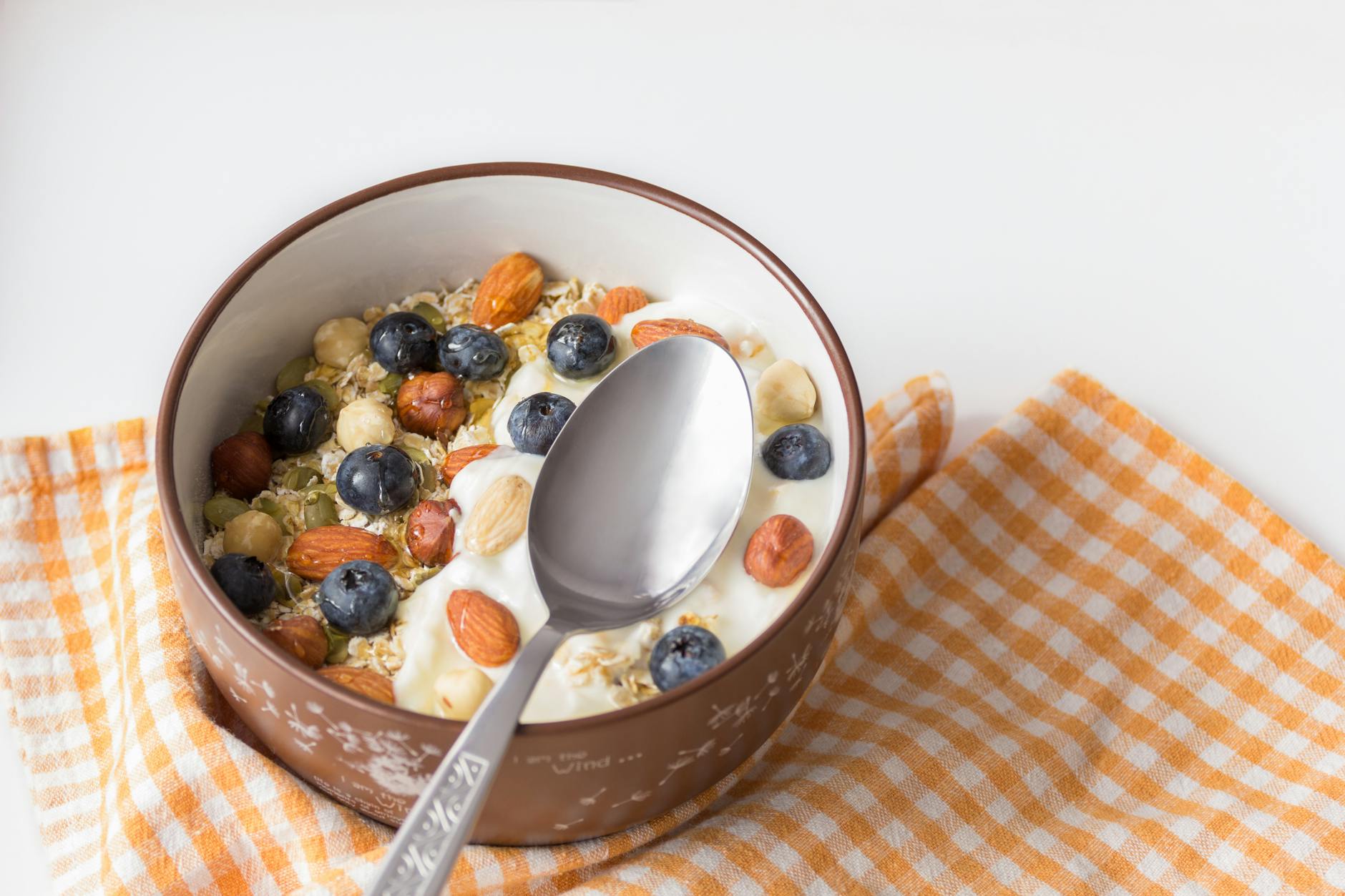
Best use: Plain full-fat Greek yogurt with berries. The fat slows digestion and the berries add flavor without the blood sugar impact of most flavored yogurts (which can contain 15–20g of added sugar per serving).
Cottage Cheese: The Underrated Night Snack
Cottage cheese is having a moment, and for good reason. A half-cup serving provides about 12–14 grams of protein, primarily from casein — the same slow-digesting protein that makes it a popular pre-sleep option among athletes.
Casein's slow release means that eating cottage cheese before bed may reduce muscle protein breakdown overnight and dampen morning hunger. A 2019 study found that participants who ate 30g of protein from cottage cheese 30–60 minutes before sleep had higher next-day resting metabolic rate compared to those who didn't eat pre-sleep protein.
Cottage cheese is also one of the highest-satiety foods per calorie available — about 110 calories per half-cup, with minimal impact on blood sugar due to its low glycemic index.
Best use: Plain or with berries. Also works well in savory applications — as a substitute for ricotta in pasta, in scrambled eggs, or blended into smoothies where it adds creaminess and protein without significantly altering flavor.
Canned Fish: The Most Underrated Protein Source
Canned tuna, salmon, sardines, and mackerel are protein-dense, inexpensive, and shelf-stable. A single can of tuna in water (about 3.5 oz) provides 25–27 grams of protein for around 100 calories.

Fatty fish like salmon, sardines, and mackerel add omega-3 fatty acids on top of the protein, which independently support satiety and reduce inflammatory markers. A 2008 study in Appetite found that fish produced significantly higher satiety than beef of the same protein content, likely due to the combined effect of protein and omega-3s on gut hormone secretion.
Best use: Canned sardines or mackerel on whole grain crackers make for one of the most nutritionally dense, satiating snacks available. Tuna mixed with Greek yogurt (instead of mayonnaise) and dill is an excellent high-protein sandwich fill.
Lentils: The Plant-Protein Satiety Champion
For people who prefer plant-based sources, lentils stand out. A cup of cooked lentils provides about 18 grams of protein along with 16 grams of fiber — and that combination is the key.
Fiber is fermented by gut bacteria into short-chain fatty acids, which trigger the release of PYY, a powerful satiety hormone. Protein and fiber together create a synergistic satiety effect that keeps hunger at bay for 3 to 4 hours.
Lentils also have a very low glycemic index, meaning they don't spike blood sugar — avoiding the crash that sends you to the pantry an hour after eating.
Best use: Lentil soup, dal, or added to salads and grain bowls. They're also inexpensive, easy to prepare in bulk, and absorb flavors well.
Chicken Breast (When Cooked Right)
Chicken breast is a staple for good reason: it's one of the highest protein-to-calorie ratios of any commonly available food. A 4 oz serving provides about 26 grams of protein for around 130 calories.

The challenge is that lean chicken breast dries out easily, which makes it less palatable and therefore less consistently eaten. The key is cooking method: brined or marinated chicken breast, cooked quickly at high heat or in a slow cooker, stays moist and flavorful.
Best use: Poached in broth and then sliced, or cooked in a slow cooker with herbs. Pair with fiber-rich vegetables and a small amount of healthy fat (olive oil, avocado) for a complete satiety meal.
Building Meals Around Satiety
The most effective eating strategy isn't tracking every calorie — it's structuring meals to produce genuine satiety so you don't feel the need to eat again two hours later.
A practical formula: protein + fiber + fat at every meal. The protein triggers satiety hormones, the fiber slows digestion and produces gut hormone signals, and the fat further slows gastric emptying and adds palatability.
With that structure in place, hunger stops being the obstacle to eating well that it usually is.