How to Meal Prep for the Entire Week in 2 Hours
Master the art of weekly meal prep in just two hours. Save time, eat healthier, and simplify your daily routine with this step-by-step guide.

April 13, 2026
If you've ever stared into your fridge at 7 PM wondering what to eat — only to end up ordering takeout — you're not alone. According to a study published in the American Journal of Preventive Medicine, people who spend more time on meal preparation at home consume significantly more fruits, vegetables, and whole grains while spending less money on food overall. The good news? You don't need to spend your entire Sunday in the kitchen. With a solid strategy, the right recipes, and a little focus, you can meal prep breakfast, lunch, dinner, and snacks for the entire week in roughly two hours. Here's exactly how to do it.
Why Meal Prep Is a Game-Changer
Before diving into the how, it's worth understanding the why. Meal prepping isn't just about saving time during the week — although that's a massive benefit. It also helps you:
- Eat healthier by removing the temptation of last-minute fast food runs
- Save money by buying in bulk and reducing food waste
- Reduce stress by eliminating daily "what's for dinner?" decisions
- Control portions so you're eating the right amount for your goals
- Stay consistent with dietary needs, whether you're managing calories, macros, or food allergies
When your meals are ready and waiting, eating well becomes the path of least resistance. That's the real power of meal prep.
Step 1: Plan Your Menu (15 Minutes Before You Start)
The single biggest mistake people make with meal prep is winging it. If you walk into the kitchen without a plan, you'll waste time, forget ingredients, and end up with a random assortment of food that doesn't form actual meals.

Here's how to plan efficiently:
- Choose 2–3 proteins for the week (e.g., chicken thighs, ground turkey, hard-boiled eggs)
- Pick 2–3 grains or starches (e.g., rice, sweet potatoes, quinoa)
- Select 3–4 vegetables (e.g., broccoli, bell peppers, spinach, zucchini)
- Add sauces and seasonings for variety (teriyaki, pesto, salsa, lemon-herb)
- Plan one breakfast option that scales easily (overnight oats, egg muffins, or smoothie packs)
The trick is to keep things modular. Instead of prepping five completely different meals, you prep components that can be mixed and matched throughout the week. Monday's chicken-and-rice bowl with teriyaki sauce becomes Wednesday's chicken wrap with pesto and roasted veggies. Same base ingredients, totally different meals.
Sample Weekly Menu
- Breakfast: Overnight oats (5 jars) + egg muffins (batch of 12)
- Lunch: Grilled chicken + rice + roasted vegetables (mix-and-match bowls)
- Dinner: Ground turkey stir-fry base + sweet potatoes or quinoa
- Snacks: Cut veggies with hummus, trail mix, hard-boiled eggs
Step 2: Grocery Shop Strategically
With your plan in hand, create a focused grocery list organized by store section — produce, proteins, grains, dairy, and pantry staples. This alone can cut your shopping time in half.
Pro tips for faster shopping:
- Shop at off-peak hours (early morning or late evening)
- Buy pre-washed salad greens and pre-cut stir-fry vegetables when your budget allows
- Stock up on freezer-friendly staples like frozen broccoli and brown rice — they're just as nutritious as fresh and save significant prep time
- Use a grocery delivery or pickup service to skip the store entirely
Step 3: The 2-Hour Meal Prep Session
This is where the magic happens. The key to finishing in two hours is multitasking — running the oven, stove, and passive prep simultaneously. Think of yourself as a project manager, not just a cook.
Read also
15-Minute Healthy Dinner Recipes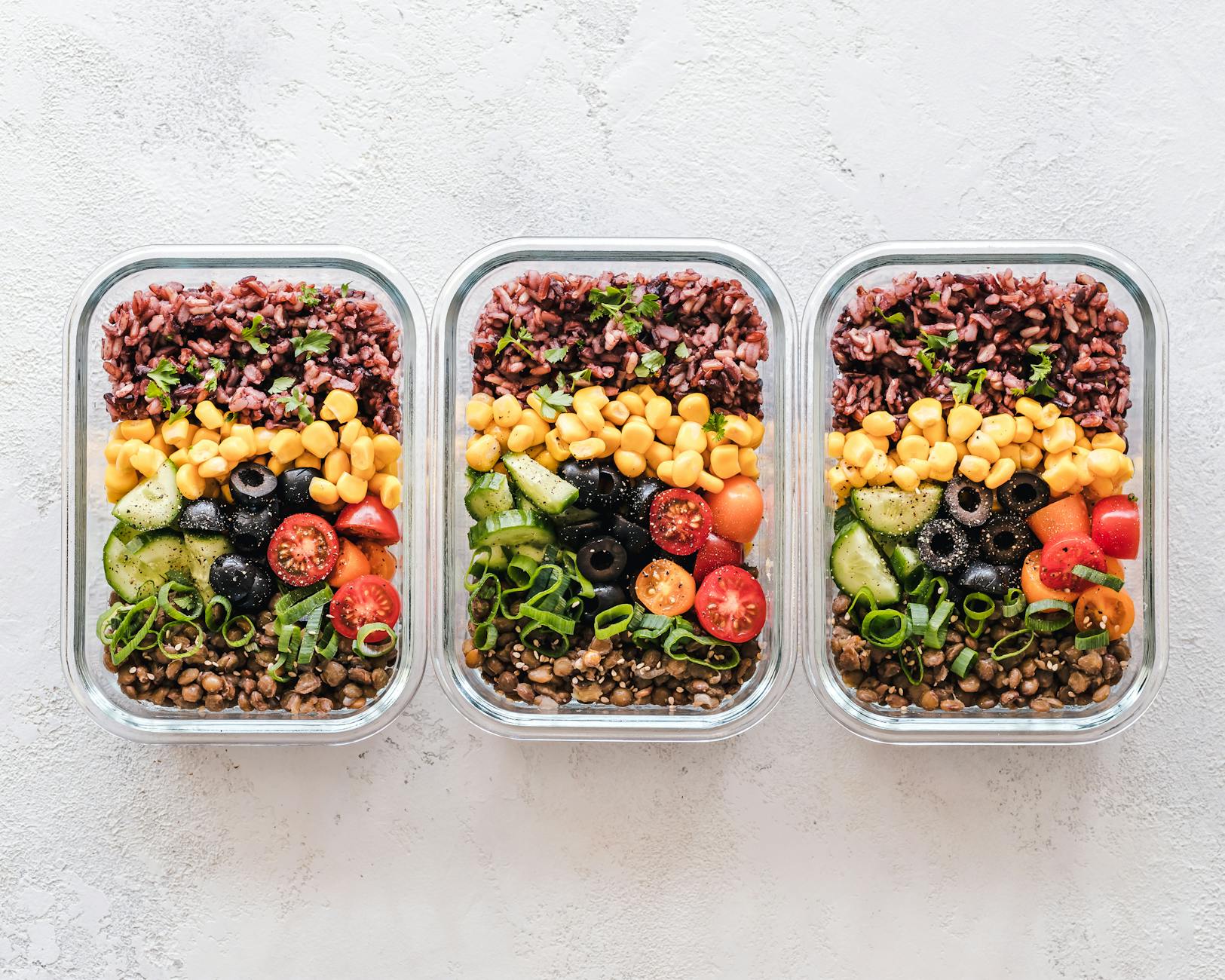
Minutes 0–10: Set Up and Start Passive Cooking
- Preheat the oven to 400°F (200°C)
- Start a large pot of water for grains (rice, quinoa, or pasta)
- Place sweet potatoes on a baking sheet, drizzle with olive oil, season, and get them into the oven as soon as it's ready
- Put eggs in a pot to hard-boil
Minutes 10–30: Prep and Cook Proteins
- Season chicken thighs or breasts and place them on a separate baking sheet — into the oven they go alongside the sweet potatoes
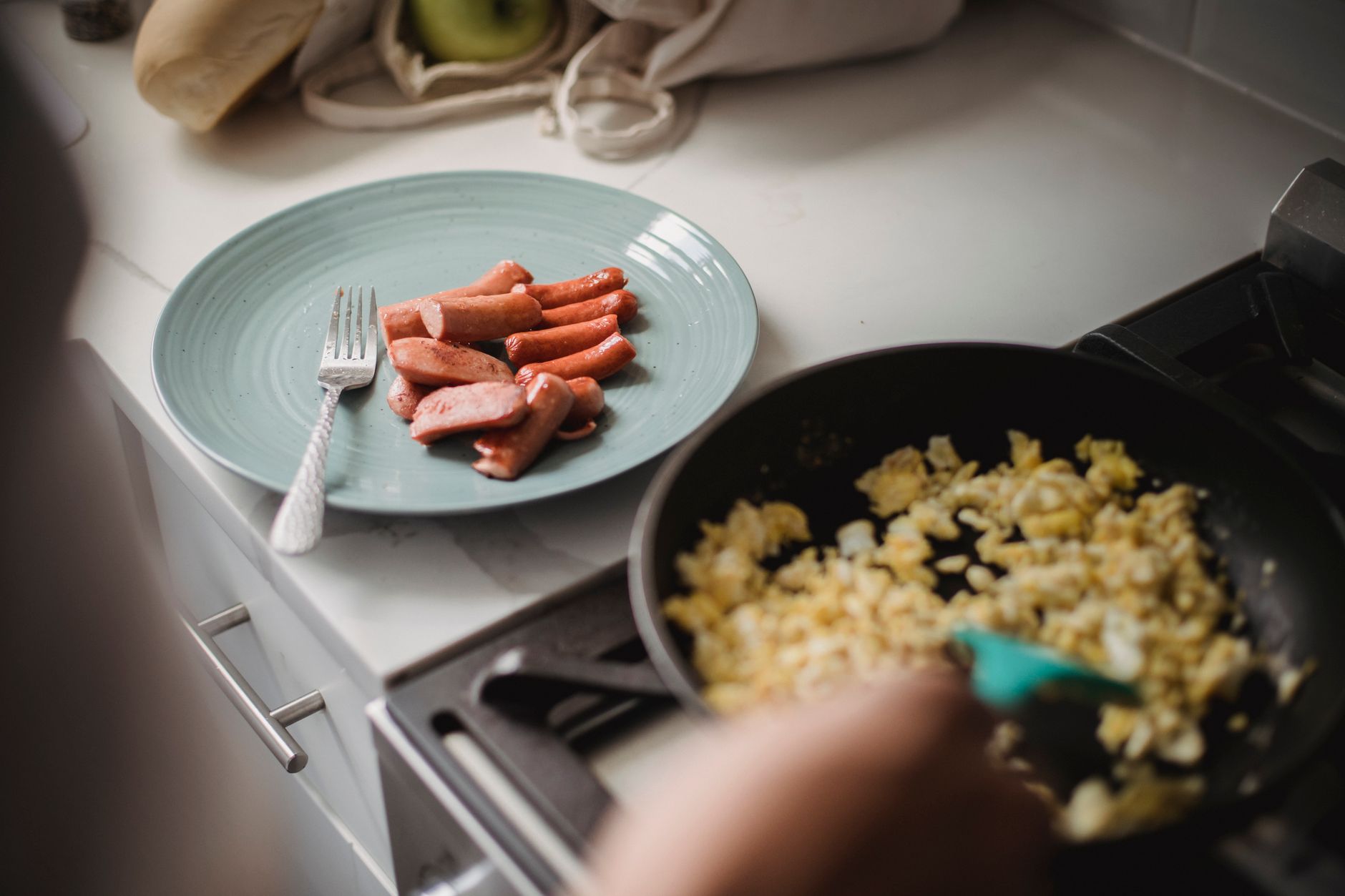
- Brown the ground turkey in a large skillet with garlic, onion, and your chosen spices
- While the turkey cooks, wash and chop all your vegetables
Minutes 30–55: Roast Vegetables and Assemble Breakfast
- Toss chopped broccoli, bell peppers, and zucchini in olive oil and seasoning. Once the sweet potatoes come out, the veggies go in
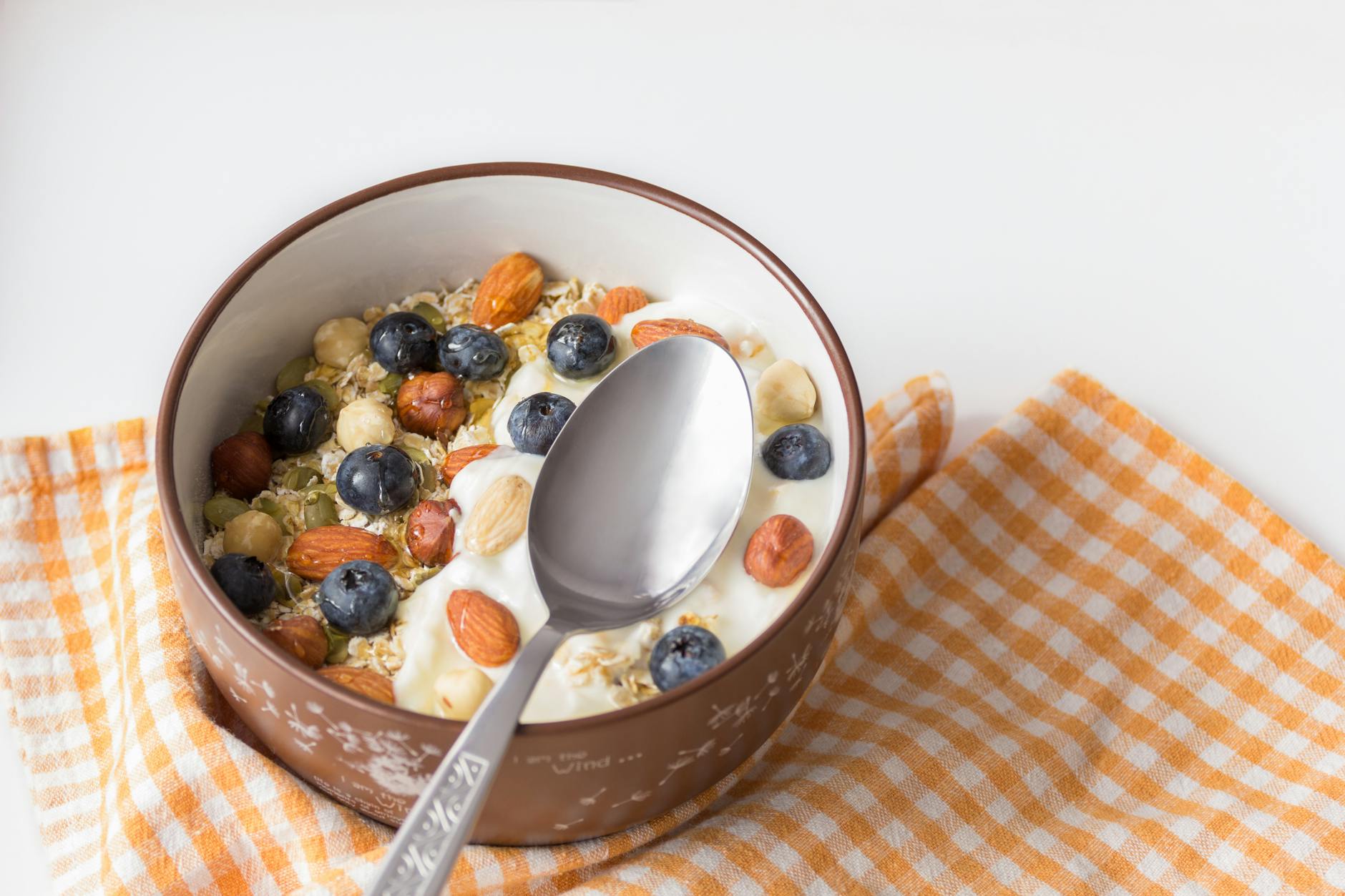
- While vegetables roast, assemble overnight oats: in each mason jar, combine ½ cup rolled oats, ½ cup milk (or a non-dairy alternative), ¼ cup Greek yogurt, 1 tablespoon chia seeds, and your choice of toppings like berries or honey
- Whisk together eggs with diced veggies and cheese, pour into a muffin tin, and bake when oven space opens up (they only need about 20 minutes at 375°F)
Minutes 55–90: Cool, Portion, and Store
- Pull everything from the oven and stove. Let proteins and grains cool for 10–15 minutes before portioning — this prevents soggy containers from trapped steam
- Slice chicken into strips or cubes
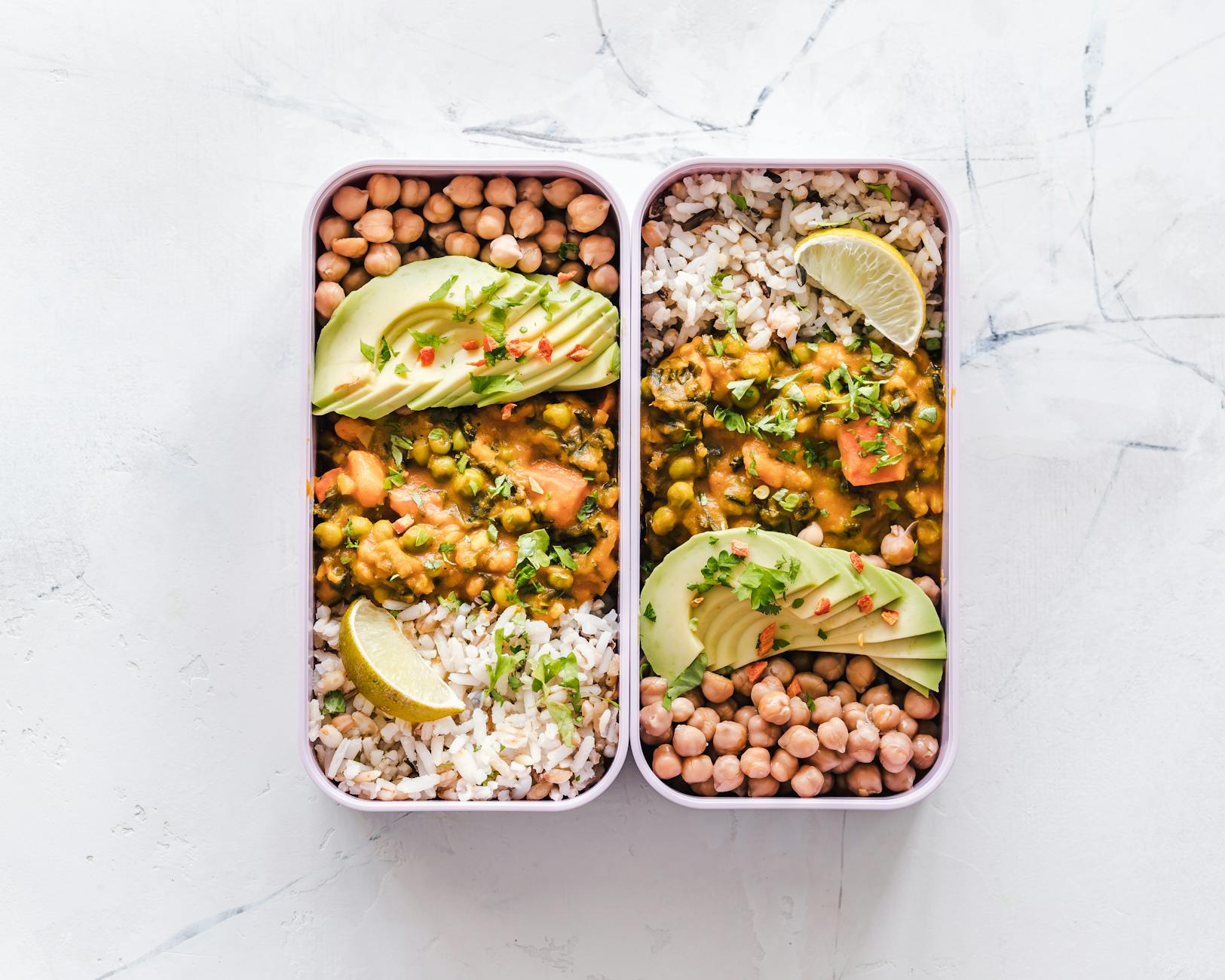
- Divide meals into glass or BPA-free containers: one section for protein, one for grains, one for vegetables
- Prepare snack containers: portion out hummus, cut veggies into sticks, and fill small bags with trail mix
Minutes 90–120: Clean Up and Label
- Wash all pots, pans, and baking sheets (or load the dishwasher)
- Label each container with the day of the week or the meal type
- Stack containers neatly in the fridge. Place meals for Thursday through Sunday in the freezer if you're concerned about freshness
Essential Meal Prep Tips for Success
Even with a great plan, a few expert strategies will make the process smoother week after week:
- Invest in quality containers. Glass containers with snap-lock lids are microwave-safe, don't stain, and keep food fresher longer. A set of 10–15 is ideal.
- Rotate your menu every two weeks. Eating the exact same meals for months leads to burnout. Keep two or three "base" plans and alternate them.
- Use the freezer wisely. Most prepped meals last 3–4 days in the fridge and up to 3 months in the freezer. Soups, stews, grain bowls, and egg muffins all freeze beautifully.
- Prep sauces separately. Store dressings and sauces in small containers on the side to keep food from getting soggy. This single habit dramatically improves meal quality by Friday.
- Start small if you're new. Prepping just lunches for your first week is perfectly fine. Build the habit before scaling up to all meals.
What to Do When Life Gets in the Way
Some weeks, two hours feels impossible. That's okay. On those weeks, try a "semi-prep" approach:

- Prep just the proteins and grains. Having cooked chicken and rice on hand means you're always 10 minutes away from a complete meal.
- Lean on no-cook meals. Wraps, salads, and overnight oats require zero cooking and minimal assembly.
- Use rotisserie chicken. There's no shame in buying a pre-cooked chicken from the grocery store and shredding it for the week. It's affordable, delicious, and saves you 30 minutes.
Making Meal Prep a Lasting Habit
The people who stick with meal prep long-term are the ones who treat it as a flexible system, not a rigid rule. You don't need picture-perfect containers or elaborate recipes. You need food that's ready when you are — food that makes your week easier, healthier, and a little less chaotic.
Pick a day, set a two-hour window, put on a great podcast or playlist, and get cooking. After two or three weeks, it'll feel as natural as your morning coffee. And that nightly "what's for dinner?" panic? Consider it a thing of the past.