What You Eat in the Hours Before Bed Is Ruining Your Sleep
The connection between your evening meal and sleep quality is stronger than most people realize. Here's what the science says about the food-sleep relationship.

June 24, 2026
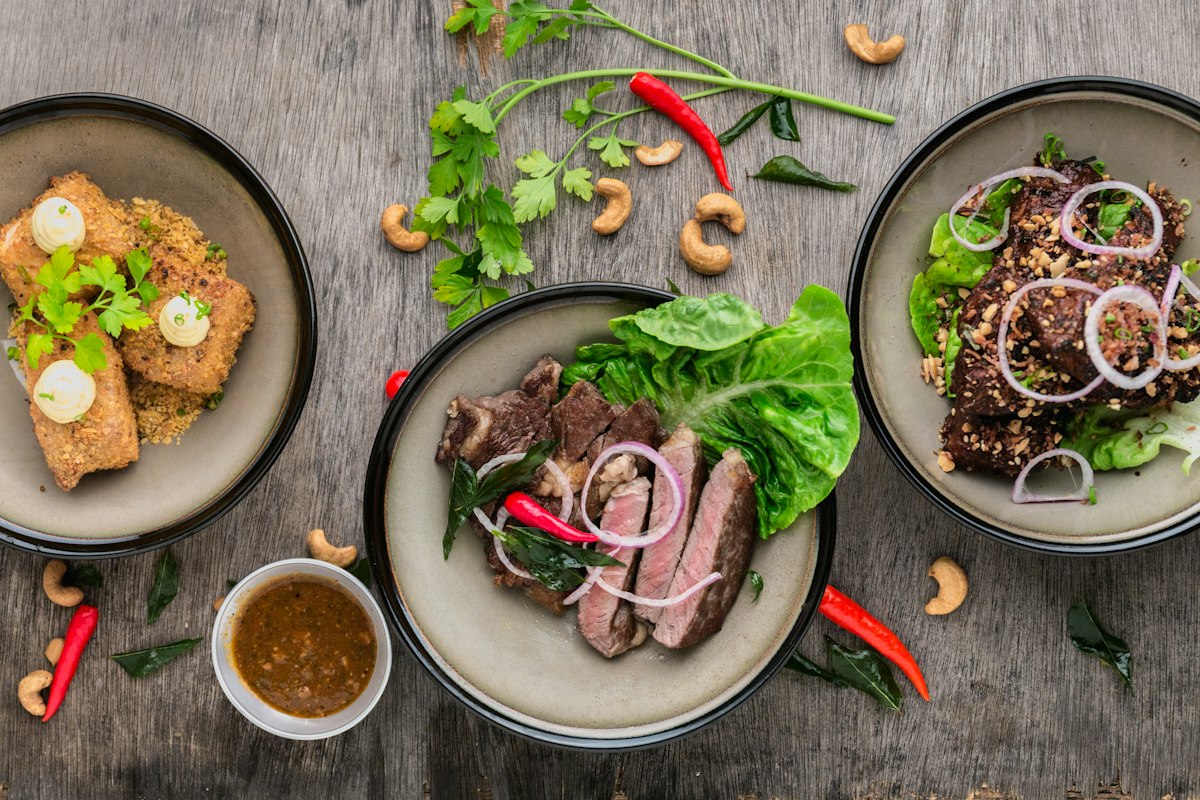
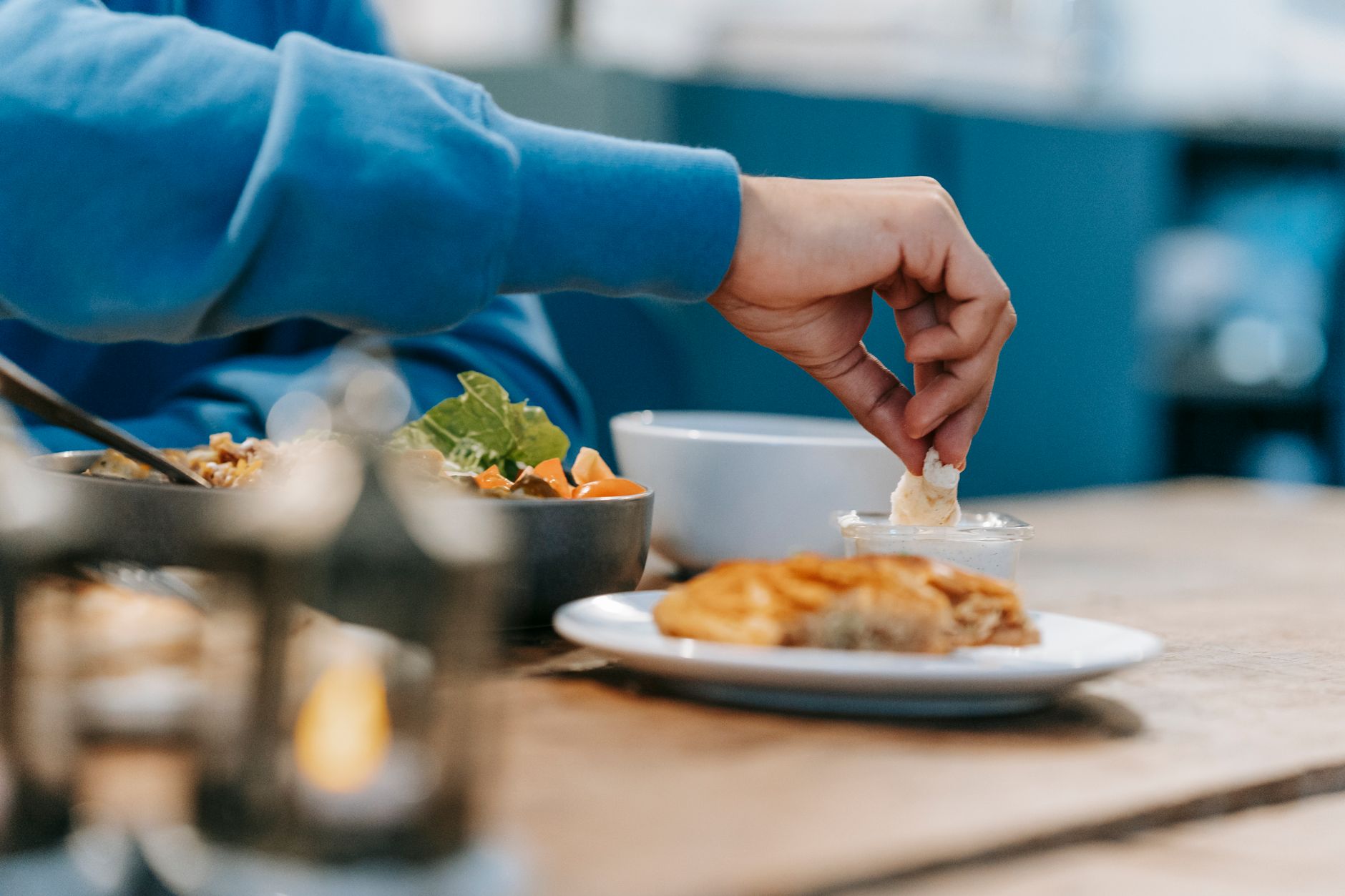
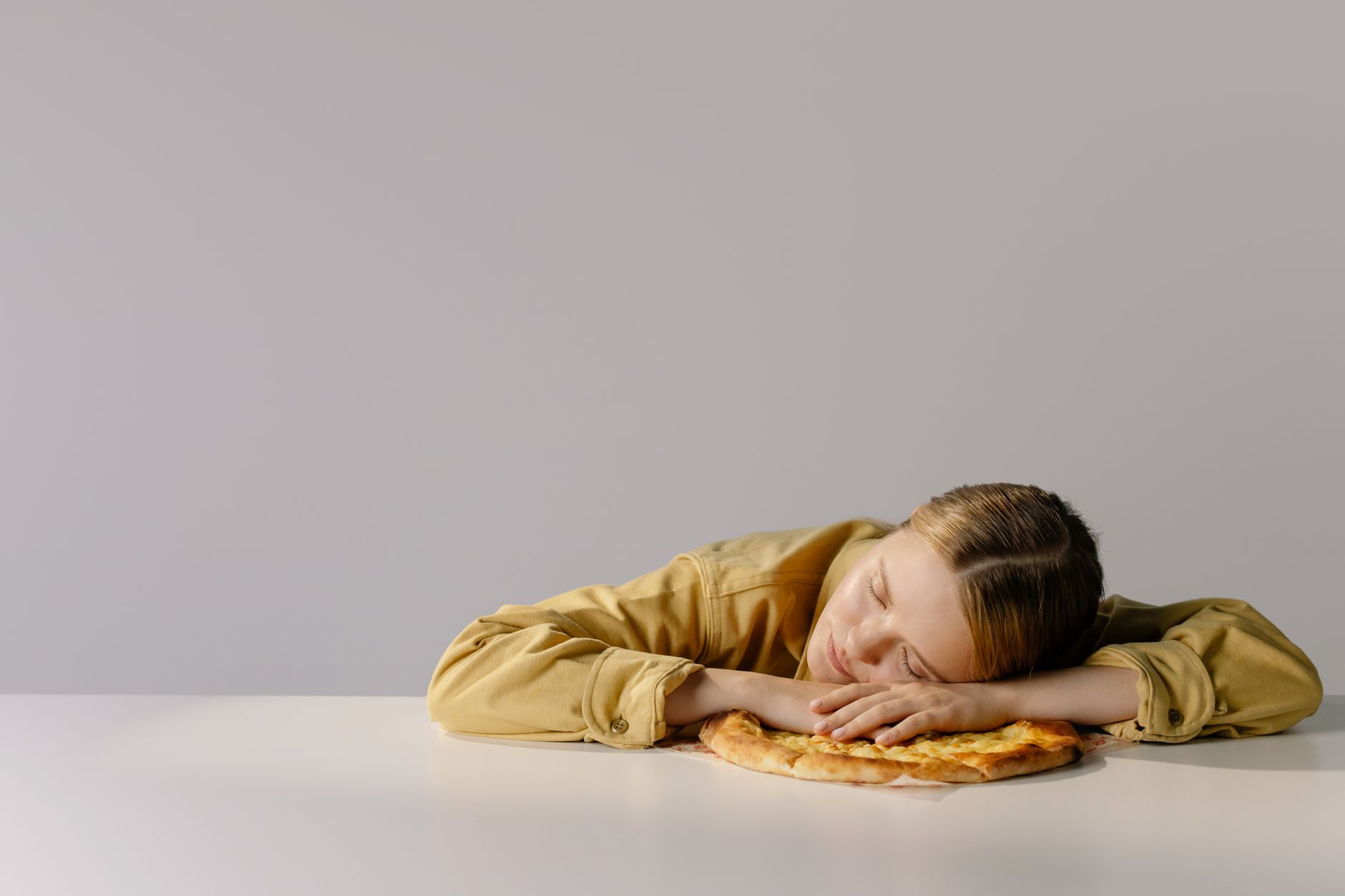
Most sleep advice focuses on screens, room temperature, and bedtime routines. These things matter. But one of the most significant — and most neglected — factors in sleep quality is what you eat and when you eat it in the hours before bed.
The relationship between food and sleep is bidirectional and more complex than the simple "don't eat late" advice you've probably heard. The specific foods you eat, the timing relative to sleep, and even the composition of your gut microbiome all play measurable roles in how well you sleep — and in turn, poor sleep disrupts the hormones that regulate hunger and food choices, creating a cycle that's hard to break.
The Timing Window: Why "Not Too Late" Needs to Be Specific
Your body operates on a roughly 24-hour circadian clock, and your digestive system has its own clock synchronized with it. The digestive process peaks during daylight hours and slows significantly in the evening. Eating a large meal close to sleep forces your digestive system to work overtime during its rest phase — which produces measurable sleep disruptions.
A 2020 study in the American Journal of Clinical Nutrition found that caloric intake after 8 PM was associated with significantly worse sleep quality, more nighttime awakenings, and reduced slow-wave sleep (the most physically restorative sleep stage) compared to the same caloric intake consumed earlier in the evening.
General guideline: finish your last major meal at least 2–3 hours before sleep. A light snack within that window is different from a full meal — more on that below.
Foods That Actively Improve Sleep
Certain foods contain compounds that directly support sleep biology. These aren't supplements — they're regular foods that are worth incorporating into your evening routine.
Tart Cherries
Tart cherries (and tart cherry juice) are one of the few natural food sources of melatonin — the hormone your brain produces to signal that it's time to sleep. A study in the European Journal of Nutrition found that adults who drank tart cherry juice twice daily slept an average of 85 minutes longer per night and reported better sleep quality compared to a placebo group.
Two tablespoons of tart cherry concentrate in water before bed is an evidence-backed sleep aid.
Kiwi
This is one of the more surprising findings in sleep nutrition. A study from Taipei Medical University had adults eat two kiwi fruits one hour before bed every night for four weeks. Results showed a 35% improvement in sleep onset time, 28% fewer wakings after sleep onset, and 13% improvement in sleep efficiency.
The proposed mechanisms involve kiwi's serotonin content, antioxidant properties, and folate — though the research is still developing.
Fatty Fish
Salmon, mackerel, and sardines are rich in omega-3 fatty acids and vitamin D, both of which influence serotonin synthesis — the precursor to melatonin. A study in the Journal of Clinical Sleep Medicine found that men who ate fatty fish three times per week had significantly better objective sleep quality than those who ate alternatives, with faster sleep onset and fewer nighttime disruptions.
Almonds and Walnuts
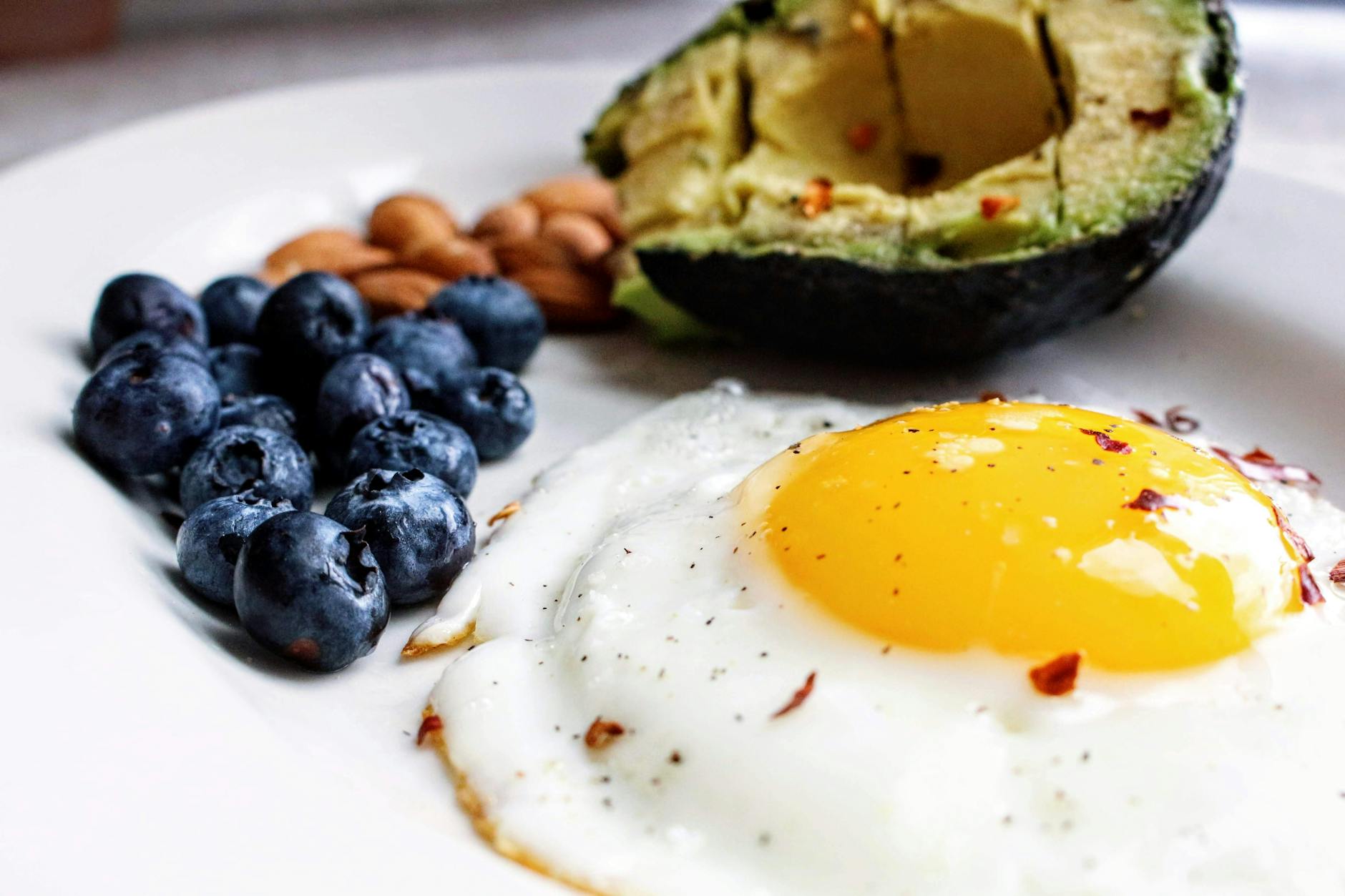
Tree nuts are modest sources of melatonin and also provide magnesium, which plays a direct role in sleep regulation. Magnesium deficiency is associated with insomnia and restless sleep. A small handful of almonds or walnuts as an evening snack is a genuinely useful sleep-supportive habit.
Foods That Actively Disrupt Sleep
On the other side of the ledger, some common evening choices have well-documented negative effects on sleep.
Alcohol
Alcohol is commonly used as a sleep aid and is genuinely terrible at the job. Yes, alcohol helps you fall asleep faster — but it fragments sleep architecture significantly, reducing REM sleep and causing more frequent arousals in the second half of the night. People who drink before bed typically feel less rested even after the same number of hours in bed.
Even moderate amounts (1–2 drinks) reduce sleep quality measurably. The effect scales with dose.
Spicy and Acidic Foods
Capsaicin (the compound that makes food spicy) raises core body temperature, which is counterproductive to sleep — your body needs to lower its core temperature to initiate and maintain sleep. Spicy foods also frequently trigger acid reflux, which produces sleep disruptions that people sometimes attribute to other causes.
Acidic foods (tomato-based dishes, citrus, vinegar-heavy preparations) similarly exacerbate reflux and are best avoided within 2–3 hours of bed.
High-Sugar and Refined Carb Meals
A large, high-glycemic meal close to bedtime causes blood sugar to spike and then drop during the night. This nocturnal blood sugar crash can trigger stress hormone release (cortisol, adrenaline) that causes early waking — often around 2–4 AM — that people attribute to stress or anxiety when it's actually metabolic.
A study in the Journal of Sleep Research found that higher glycemic index diets were associated with significantly greater odds of insomnia. Swapping refined carbs for complex carbohydrates (brown rice, oats, legumes) in the evening produces more stable blood sugar through the night.
The Pre-Bed Snack: When It Actually Helps
Contrary to the "don't eat before bed" rule, a small strategic snack 30–60 minutes before sleep can actually improve sleep for some people — particularly those who struggle with early waking due to blood sugar drops or who exercise late in the day.

The ideal pre-sleep snack is:
- Small — 150–200 calories maximum
- Low in added sugar — avoids the glucose crash issue
- Contains some protein and complex carb — the combination supports tryptophan availability for melatonin synthesis
Good options: a small bowl of oatmeal, a banana with a tablespoon of almond butter, cottage cheese with berries, or plain yogurt with a drizzle of honey.
The Caffeine Window Is Longer Than You Think
Caffeine's half-life in the body is 5–7 hours, which means half of the caffeine from a 3 PM coffee is still circulating in your bloodstream at 8–10 PM. For people who metabolize caffeine slowly (a genetic variation that affects a significant portion of the population), the window is even longer.
If you're having sleep trouble and consume caffeine after noon, that's the first variable to eliminate before trying anything else.
The Gut-Sleep Connection
Emerging research is illuminating a relationship between gut microbiome composition and sleep quality that goes beyond what you eat immediately before bed. The gut produces approximately 95% of your body's serotonin — a fact that only recently has been linked to sleep regulation.

Diets high in fiber, fermented foods, and diverse plant sources support microbiome diversity associated with better sleep. Ultra-processed food diets do the opposite. This suggests that the food choices you make across all meals — not just the evening ones — have downstream effects on sleep quality.
The practical takeaway is straightforward: the foods that support gut health (vegetables, fermented foods, fiber-rich whole grains, legumes) also appear to support sleep health. The foods that damage gut health (ultra-processed foods, excessive alcohol, high sugar) correlate with worse sleep.
Sleep and diet are not separate systems to optimize independently — they're deeply entangled. Improving one often helps the other.