Why Fiber Is the Most Important Nutrient You're Ignoring
Fiber is having a major moment — and for good reason. Research shows it affects everything from gut health and weight to mental health and longevity. Here's how to get more of it.

April 13, 2026

Fiber has been quietly sitting in the nutritional shadows for decades — mentioned in passing, associated with bran muffins and prune juice, and largely ignored by anyone under 60. That's changing fast.
In 2026, fiber is the nutrient that nutritionists, gastroenterologists, and longevity researchers are most excited about. And the evidence behind the hype is genuinely compelling.
What Is Dietary Fiber?
Fiber is a type of carbohydrate that your body can't digest. Unlike sugars and starches, fiber passes through your digestive system mostly intact — and that's exactly what makes it so powerful.
There are two main types:
Soluble fiber dissolves in water to form a gel-like substance. It slows digestion, helps lower cholesterol, and stabilizes blood sugar. Found in oats, beans, apples, and citrus fruits.
Insoluble fiber doesn't dissolve in water. It adds bulk to stool and helps food move through your digestive system efficiently. Found in whole grains, nuts, and vegetables.
Most fiber-rich foods contain both types.
Why Is Fiber Having a Moment?
Three reasons: the gut microbiome revolution, metabolic health awareness, and a growing body of longevity research.
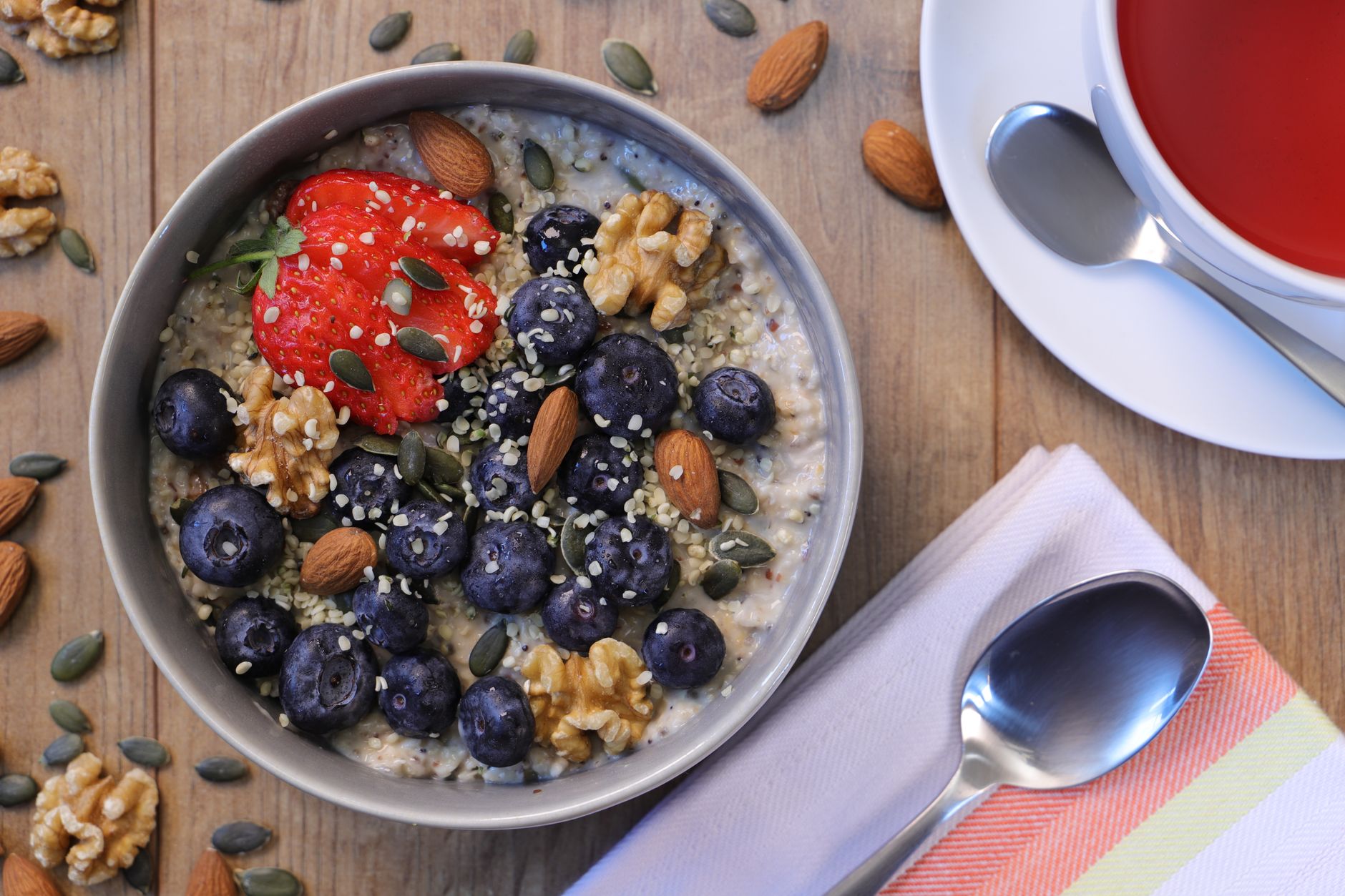
The microbiome connection — Your gut contains trillions of bacteria that influence everything from immune function to mood. Fiber is their primary food source. When you eat fiber, gut bacteria ferment it and produce short-chain fatty acids (SCFAs) — compounds that reduce inflammation, strengthen the gut lining, and may even protect against colon cancer.
Blood sugar and weight — Fiber slows the absorption of sugar, preventing the blood sugar spikes that lead to energy crashes, cravings, and, over time, insulin resistance. High-fiber meals keep you fuller for longer, naturally reducing calorie intake.
Longevity data — A landmark analysis of studies covering nearly 250,000 people found that those who ate the most fiber had a 15-30% lower risk of dying from cardiovascular disease, stroke, type 2 diabetes, and colorectal cancer.
How Much Fiber Do You Actually Need?
The recommended daily intake is:
- Women: 25 grams per day
- Men: 38 grams per day
The average American consumes just 15 grams per day. Most people are getting less than half of what they need.
The Best High-Fiber Foods
Legumes (Beans, Lentils, Chickpeas)
The undisputed champions of fiber. One cup of cooked lentils contains about 16 grams of fiber. Beans are also rich in protein, making them one of the most nutritionally dense foods available.

Avocado
One medium avocado contains about 10 grams of fiber — surprising for a fruit associated with healthy fats. It's also one of the most palatable ways to increase fiber intake.
Chia Seeds
Two tablespoons deliver 10 grams of fiber. They absorb liquid and expand, making them exceptionally filling. Add them to yogurt, smoothies, or overnight oats.
Oats
A bowl of oatmeal contains about 4 grams of fiber, mostly soluble. The beta-glucan fiber in oats is particularly well-studied for lowering LDL cholesterol.
Broccoli and Brussels Sprouts
Both deliver around 3-4 grams of fiber per cooked cup, along with vitamins C and K, and potent cancer-fighting compounds.
Apples and Pears
One medium apple with the skin on contains about 4.5 grams of fiber. Keep the skin — that's where most of the fiber is.
Whole Grains
Switching from white bread and white rice to whole grain versions is one of the easiest ways to significantly increase daily fiber intake.
How to Add More Fiber Without Digestive Distress
One important warning: if you dramatically increase your fiber intake overnight, expect bloating, gas, and discomfort. Your gut bacteria need time to adapt.
The right approach:
- Increase fiber gradually over 2-3 weeks
- Drink plenty of water — fiber needs water to do its job
- Spread fiber intake throughout the day rather than in one sitting
- Include a variety of fiber sources for a diverse gut microbiome
Does Fiber Affect Mental Health?
Emerging research suggests yes. The gut-brain axis — the communication network between your digestive system and your brain — is heavily influenced by gut bacteria. Some studies suggest that high-fiber diets are associated with lower rates of depression and anxiety, though research in this area is still developing.
The Bottom Line
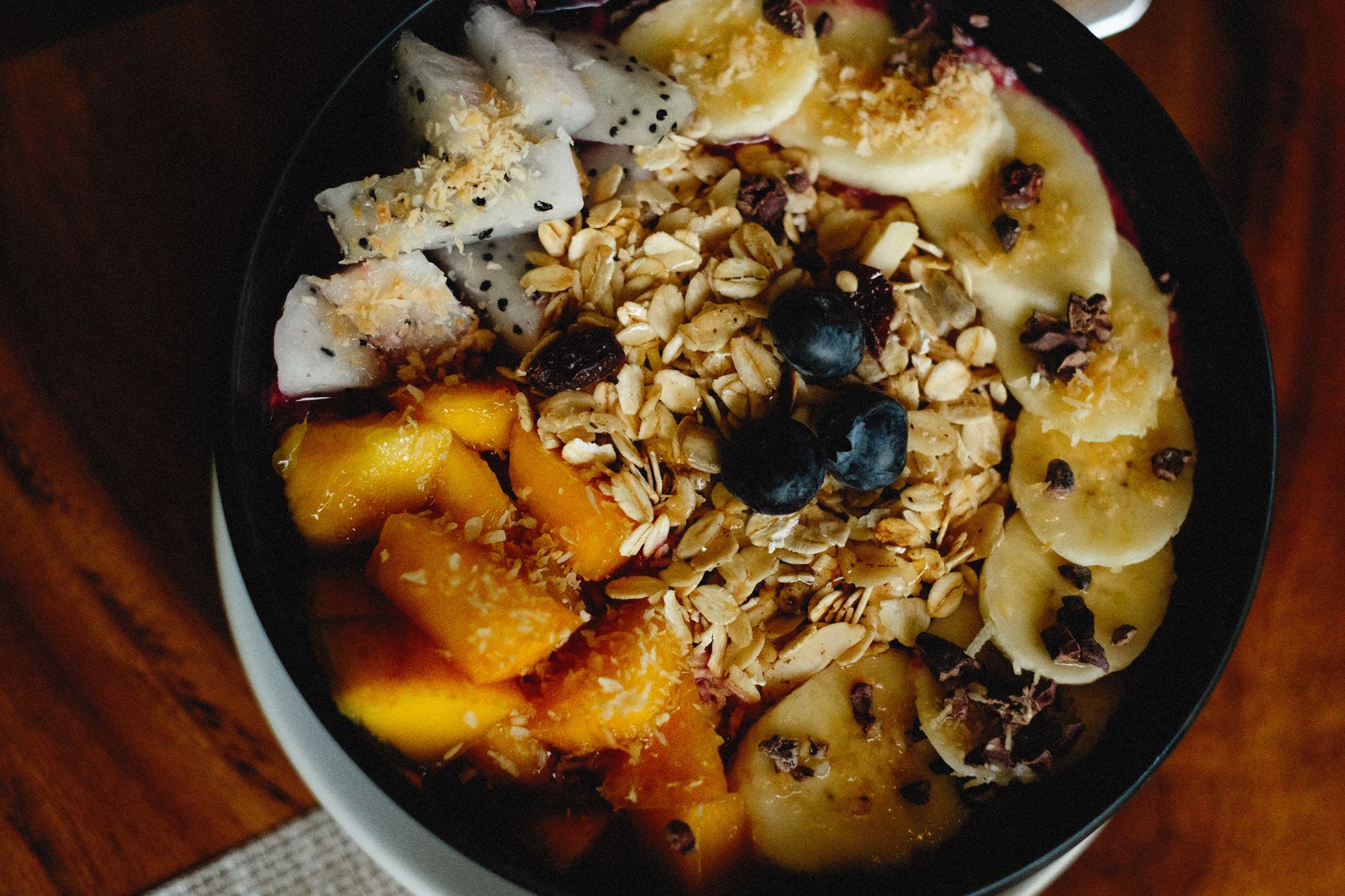
Fiber isn't glamorous. It doesn't come in a supplement that costs $80 a month or promise dramatic results in 30 days. But the research on fiber is more consistent and more compelling than almost any other dietary intervention.
Eat more beans, more vegetables, more whole grains, and more fruit. It's one of the most powerful things you can do for your health — and it starts at your next meal.