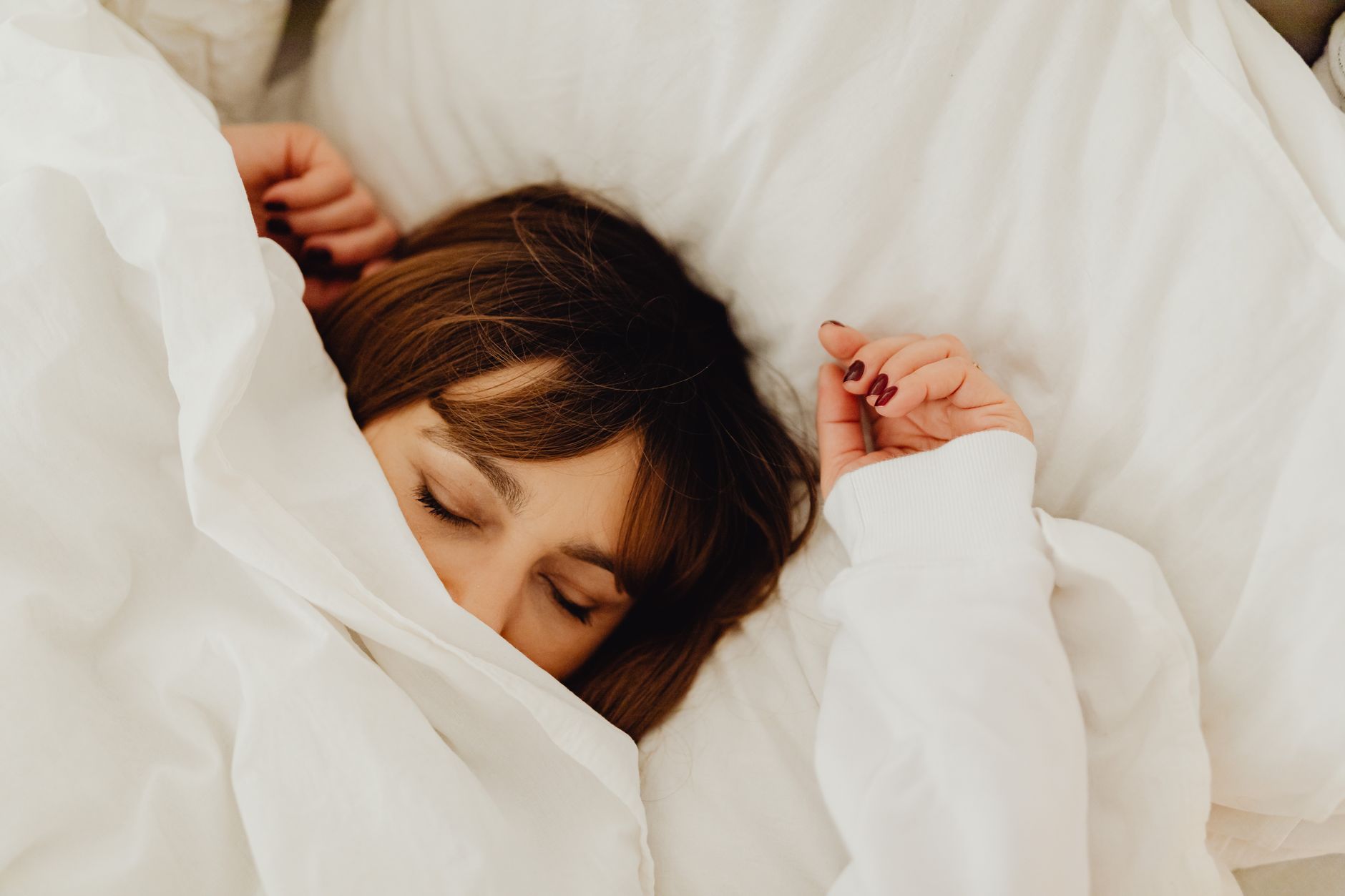
10 Signs You Need More Sleep
Feeling off but not sure why? Your body may be screaming for more sleep. Here are the top signs — and what to do about them.

Published September 19, 2025 · Updated May 18, 2026
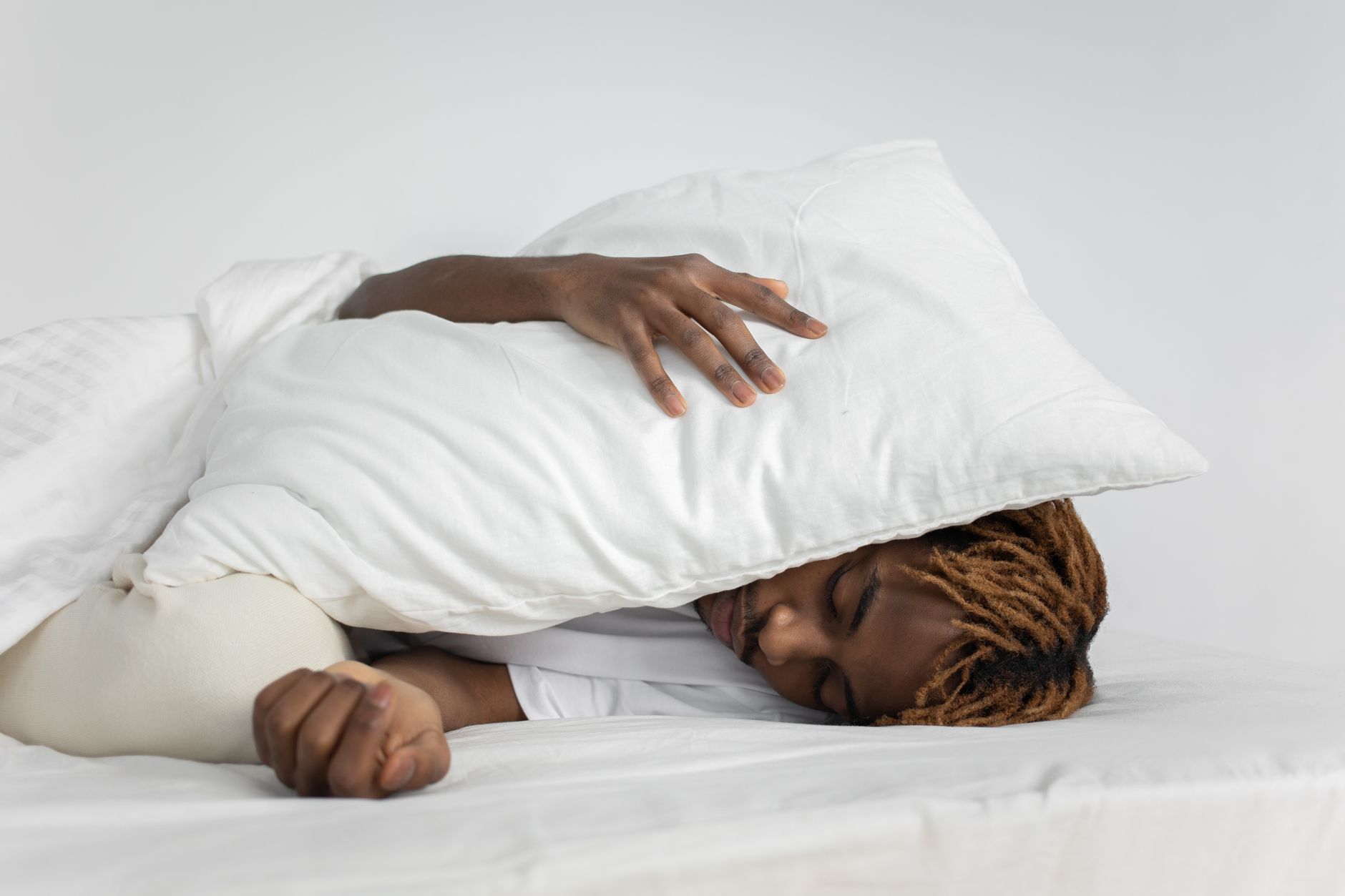
Most people vastly underestimate how sleep-deprived they are. The human brain adapts to chronic sleep loss in a sneaky way — after a few weeks of short nights, you stop feeling as tired as you actually are. You think you're fine. You're not.
The CDC reports that 1 in 3 American adults regularly gets less than the recommended 7 hours per night. The consequences aren't just dark circles. Sleep deprivation affects your heart, metabolism, immune system, mood, and cognitive function — sometimes permanently. Here are ten signs your body is telling you it needs more sleep.
1. You Reach for Coffee Before You Can Function
One or two cups of coffee in the morning is normal. But if you physically cannot start your day without multiple large coffees and still feel sluggish by mid-afternoon, that's a red flag. Caffeine masks fatigue — it doesn't eliminate it. You're borrowing energy from tomorrow and paying interest.
2. You Fall Asleep Within Minutes of Lying Down
This sounds like a superpower, but it's actually a warning sign. Healthy sleepers take 10–20 minutes to drift off. If you're out in under five minutes, you're likely in a state of significant sleep debt. A well-rested brain isn't desperate to sleep at the first opportunity.
3. Your Emotions Are All Over the Place
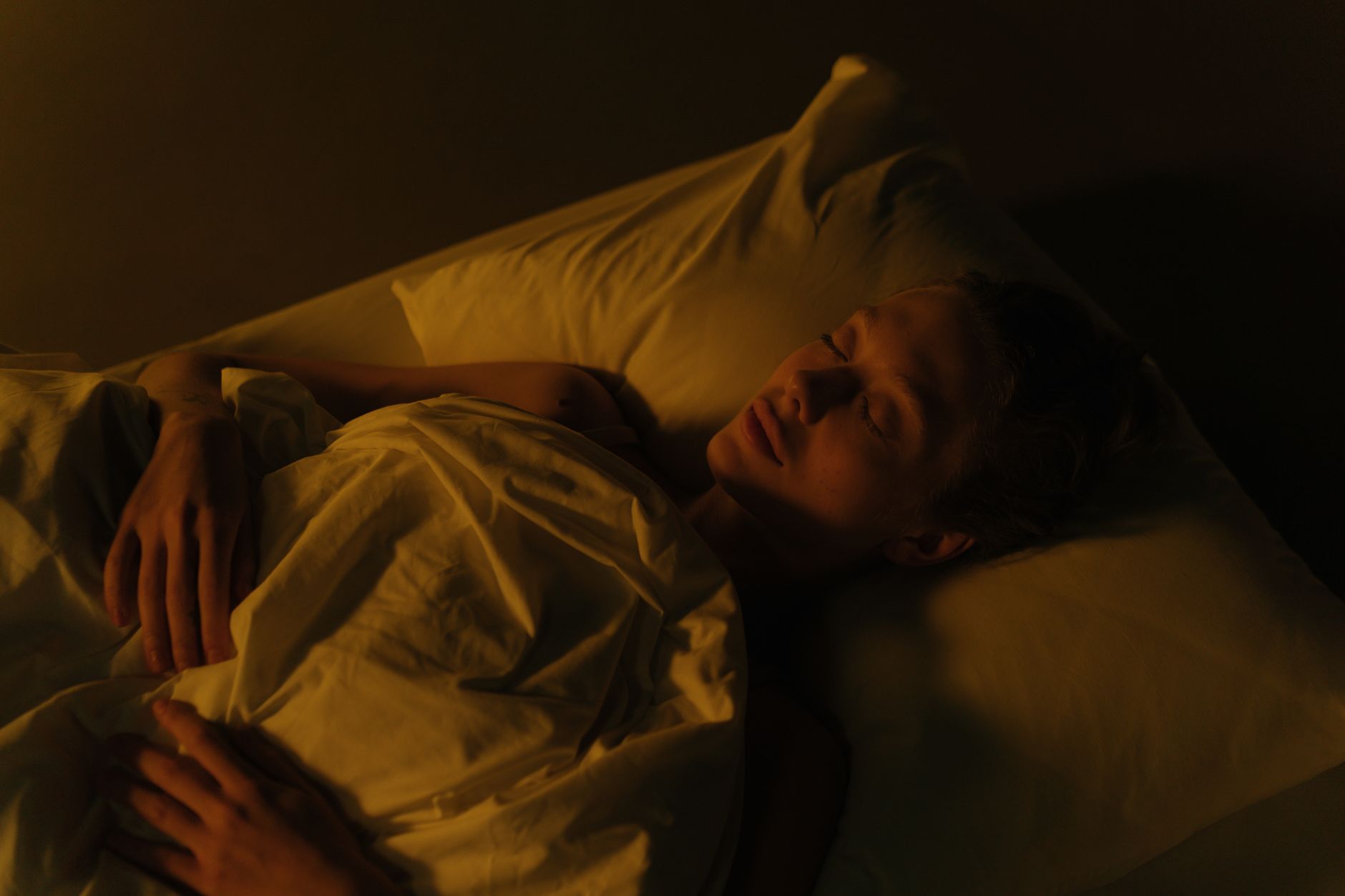
The amygdala — your brain's emotional alarm center — becomes 60% more reactive after one night of poor sleep, according to research from UC Berkeley. You snap at people you love. Small frustrations feel enormous. Sadness lingers longer. If you've noticed your emotional responses are disproportionate to the situation, sleep is the first variable to examine.
4. You're Constantly Getting Sick
Sleep is when your immune system does its repair work. During deep sleep, your body produces cytokines — proteins that fight infection and inflammation. Cut sleep short and you cut that production. A landmark study found that people sleeping fewer than 6 hours per night were four times more likely to catch a cold when exposed to the rhinovirus than those sleeping 7+ hours.

5. You Can't Remember Simple Things
Forgetting where you put your keys occasionally is normal. Forgetting mid-sentence what you were saying, missing appointments, or struggling to retain information you just read are signs of sleep-impaired memory consolidation. Your hippocampus transfers memories from short-term to long-term storage primarily during sleep. Skip sleep, skip the save.
6. You're Always Hungry — Especially for Junk Food
Sleep deprivation disrupts two hunger hormones: ghrelin (which signals hunger) goes up, and leptin (which signals fullness) goes down. The result is that you eat more, and specifically crave high-calorie, high-sugar foods. Research from the University of Chicago found that sleep-deprived people consumed an average of 300 extra calories per day — almost entirely from snacks, not meals.

7. You Doze Off During the Day
Brief, involuntary moments of sleep — called microsleeps — happen when your brain forces itself offline despite your efforts to stay awake. If you find yourself nodding off during meetings, while watching TV, or even while driving, your sleep debt is severe. Microsleeps while driving cause an estimated 100,000 crashes per year in the US.
8. Your Skin Looks Dull and You Have Persistent Dark Circles
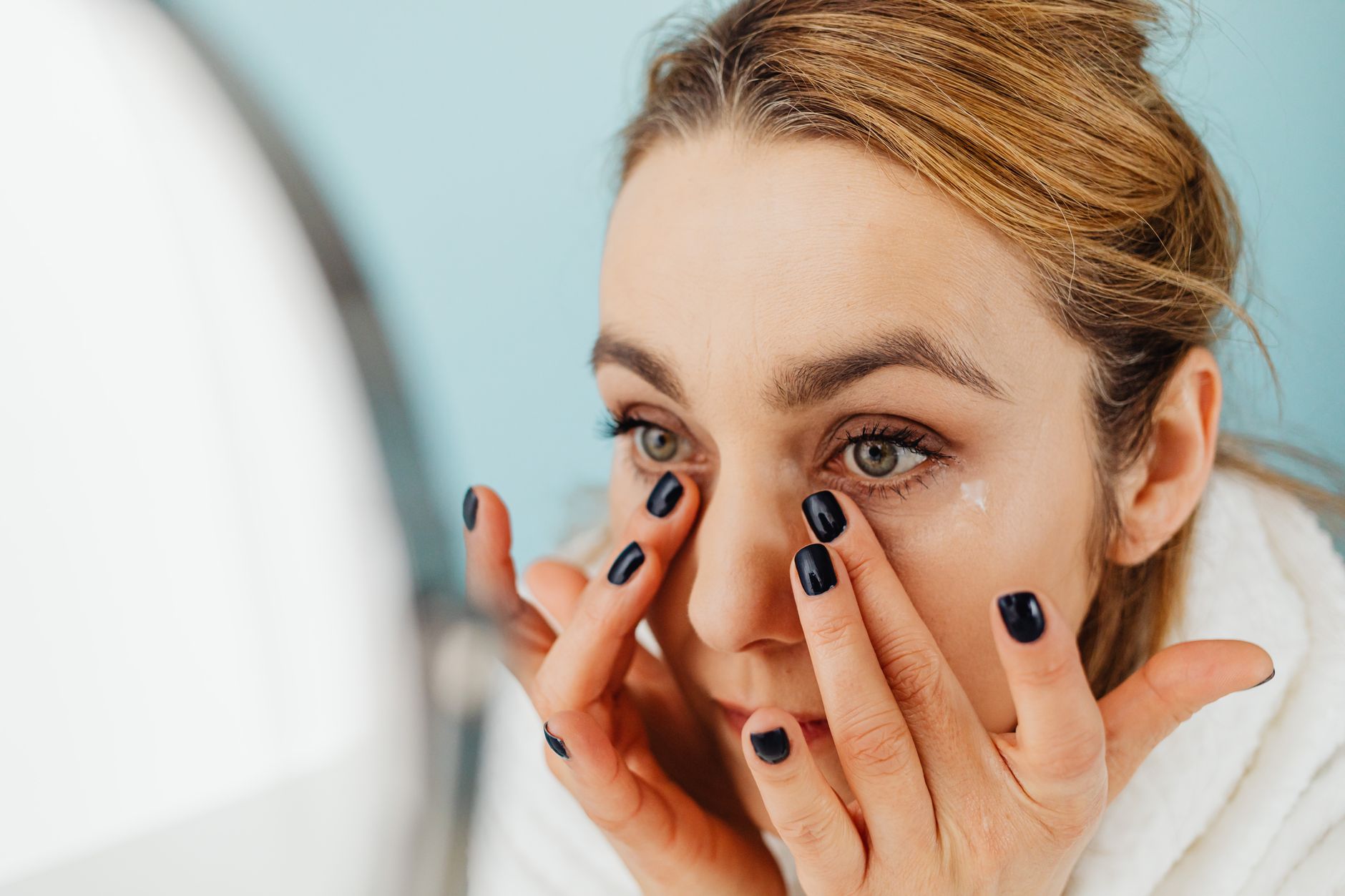
The term "beauty sleep" has real science behind it. During sleep, human growth hormone is released, promoting cell regeneration and collagen synthesis. Skin repairs sun damage, inflammation clears, and puffiness reduces. Chronically poor sleep leads to increased cortisol, which breaks down collagen and leads to premature aging. Dark circles form as blood vessels beneath the thin under-eye skin dilate from fatigue.
9. You Have Trouble Making Decisions
The prefrontal cortex — responsible for planning, judgment, and decision-making — is particularly vulnerable to sleep deprivation. People who are sleep-deprived tend to make riskier, more impulsive decisions and have trouble weighing long-term consequences. If you find yourself second-guessing everything or making choices you later regret, your prefrontal cortex may just be exhausted.
10. Your Reaction Time Is Noticeably Slower
Studies comparing reaction time in sleep-deprived individuals to those who are legally drunk have found striking parallels. After 17–19 hours awake, performance on cognitive and motor tasks is equivalent to a blood alcohol level of 0.05%. After 24 hours, it's 0.10% — above the legal driving limit in most countries.
What to Do About It
Start with consistency. Go to bed and wake up at the same time every day, even weekends. This is the single most powerful thing you can do for sleep quality.
Protect the last hour before bed. No screens, dim lights, no work emails. Your brain needs a transition period to produce melatonin.
Look for hidden disruptors. Alcohol, late exercise, and heavy meals within two hours of bedtime all fragment sleep architecture even if they don't prevent you from falling asleep.
Don't try to "catch up" on weekends. Social jetlag — staying up late Friday and Saturday, then sleeping in — shifts your circadian rhythm and makes Monday mornings brutal.
If you've consistently slept 7–9 hours and still feel the symptoms above, talk to a doctor. Conditions like sleep apnea, thyroid issues, or anemia can cause fatigue independent of sleep duration.