How to Boost Your Immune System Naturally
Discover proven, science-backed ways to strengthen your immune system naturally through diet, sleep, exercise, and daily habits.

Published April 13, 2026 · Updated May 18, 2026
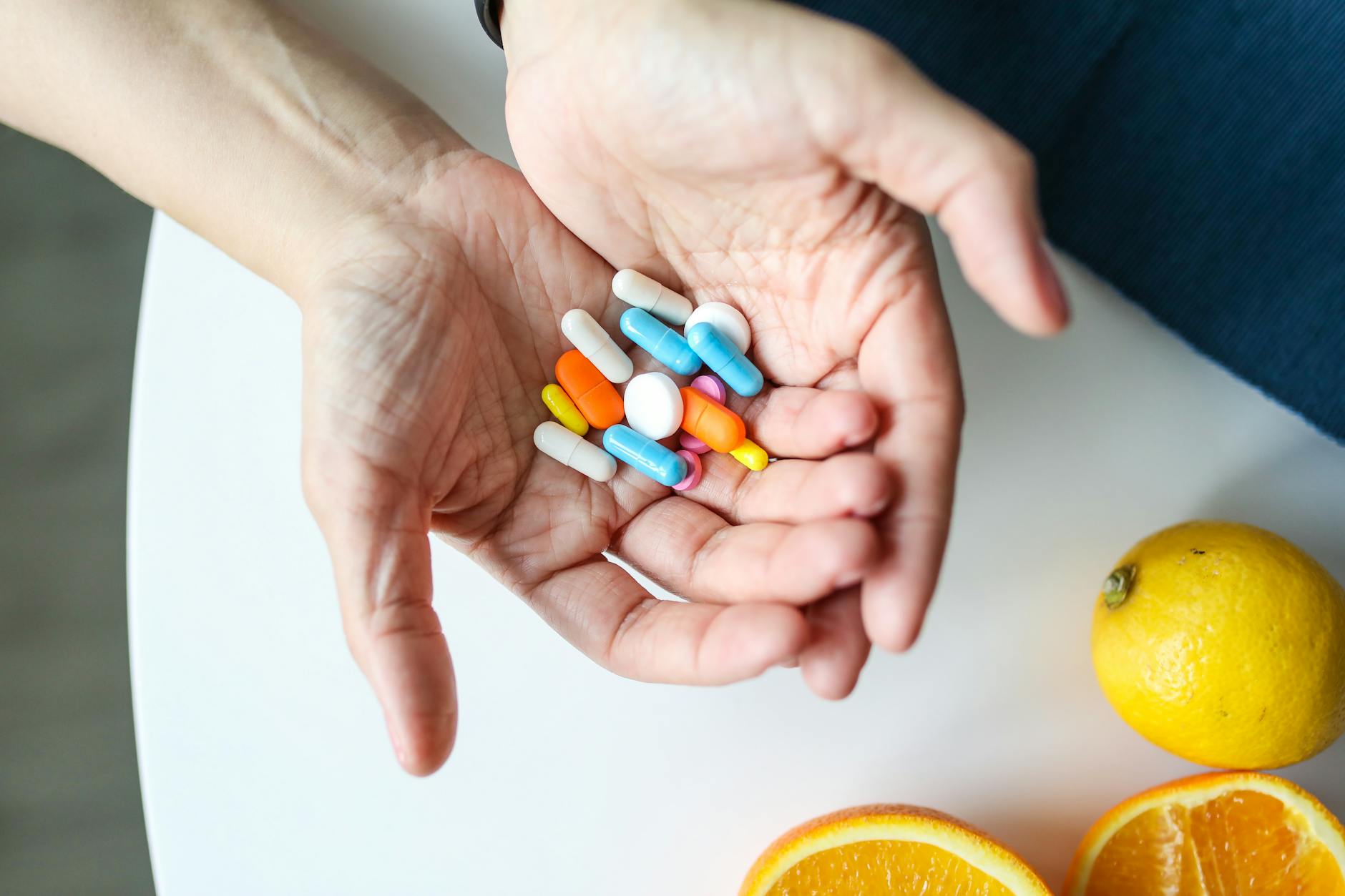
Your immune system is your body's built-in defense force — a complex network of cells, tissues, and organs working around the clock to protect you from harmful invaders. The good news? You don't need expensive supplements or miracle cures to keep it running strong. With a few intentional, evidence-based lifestyle changes, you can give your immune system the support it needs to function at its best. Let's break down exactly how to do that.
Understanding Your Immune System
Before diving into strategies, it helps to understand what you're actually supporting. Your immune system has two main branches: the innate immune system (the first line of defense you're born with) and the adaptive immune system (which learns and remembers specific threats over time). Both need proper fuel, rest, and care to operate efficiently.
When either branch is compromised — whether through poor nutrition, chronic stress, or lack of sleep — you become more susceptible to infections, slower to heal, and more prone to inflammation. The goal isn't to "supercharge" your immunity (an overactive immune system can actually cause autoimmune problems), but rather to create the conditions where it can do its job effectively.
Read also
How to Reduce Stress Without MedicationEat a Nutrient-Dense, Colorful Diet
What you put on your plate has a direct impact on how well your immune cells function. Research published in the British Journal of Nutrition found that micronutrient deficiencies — particularly in vitamins A, C, D, E, B6, B12, zinc, iron, and folate — can significantly impair immune responses.
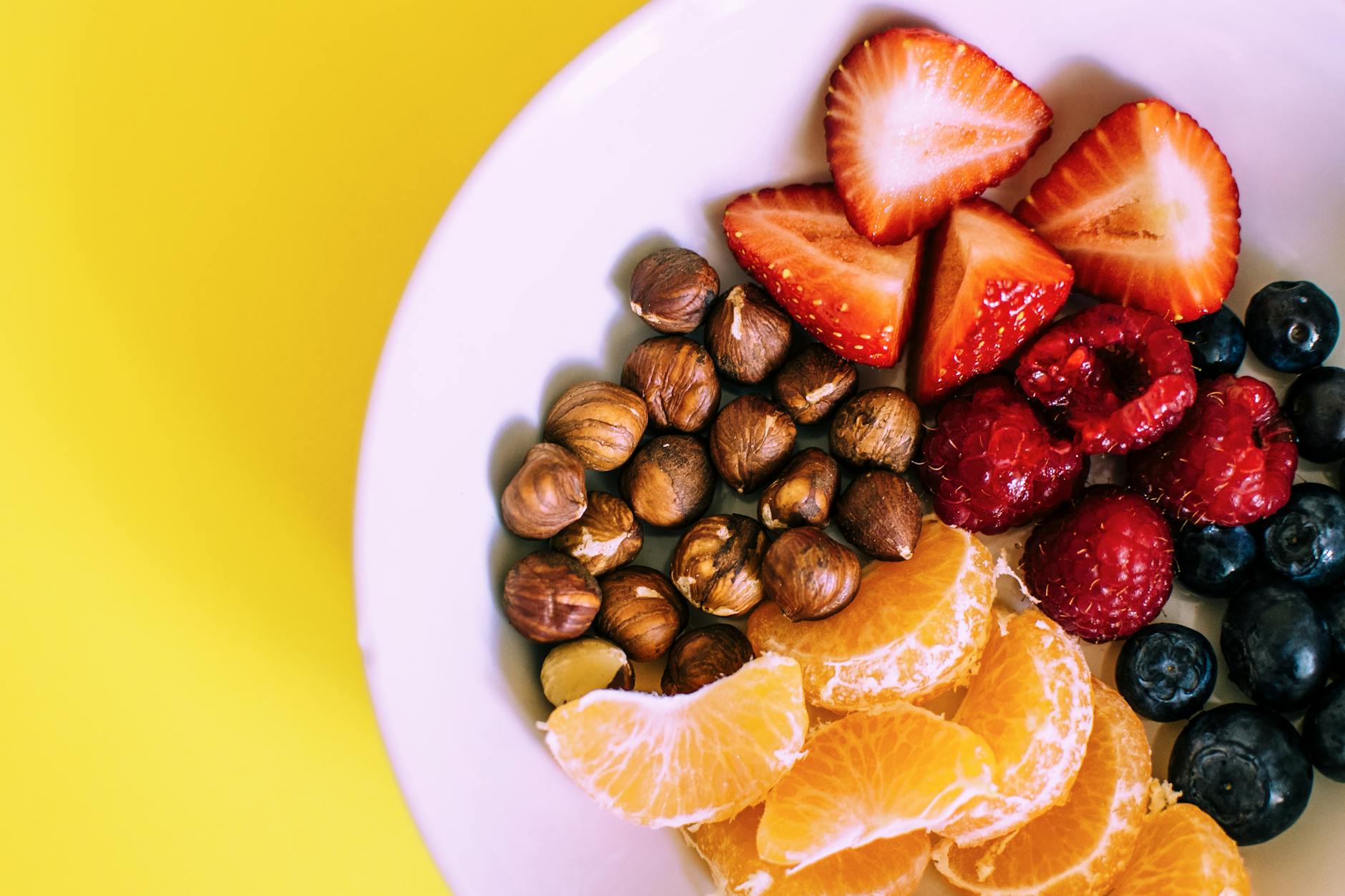
Here's how to eat your way to a stronger defense system:
- Load up on fruits and vegetables. Aim for at least five servings a day. Berries, citrus fruits, spinach, bell peppers, and sweet potatoes are packed with antioxidants and vitamins that support immune cell production.
- Include lean protein at every meal. Amino acids from protein are essential for building and repairing immune cells. Think chicken, fish, eggs, legumes, and tofu.
- Don't forget healthy fats. Omega-3 fatty acids found in salmon, walnuts, flaxseeds, and olive oil help reduce chronic inflammation, which can otherwise suppress immune function.
- Eat fermented foods. Yogurt, kefir, sauerkraut, kimchi, and miso feed the beneficial bacteria in your gut — and since roughly 70% of your immune system resides in your gut, this matters more than most people realize.
A Simple Immune-Boosting Meal Example
Imagine a lunch of grilled salmon over a bed of mixed greens, topped with sliced avocado, cherry tomatoes, and a drizzle of extra-virgin olive oil, with a side of kimchi. That single meal delivers omega-3s, vitamins C and E, healthy monounsaturated fats, and gut-friendly probiotics. It doesn't have to be complicated — it just has to be intentional.
Read also
How to Reset Your Gut Health in 7 DaysPrioritize Quality Sleep
Sleep is one of the most underrated immune boosters available. During deep sleep, your body produces and releases cytokines — proteins that help fight infection and inflammation. Cut your sleep short, and you literally cut your body's ability to defend itself.
A landmark study from the Archives of Internal Medicine found that people who slept fewer than seven hours per night were nearly three times more likely to develop a cold than those who slept eight hours or more. That's a striking difference for something as simple as getting to bed on time.
Tips for Better Sleep
- Stick to a consistent schedule. Go to bed and wake up at the same time every day, even on weekends.
- Create a wind-down routine. Dim the lights, put away screens at least 30 minutes before bed, and try reading or gentle stretching.
- Keep your bedroom cool and dark. The ideal sleeping temperature is between 60–67°F (15–19°C).
- Limit caffeine after 2 PM. Even if you can fall asleep after a late coffee, caffeine disrupts sleep quality.
Move Your Body Regularly
Moderate, consistent exercise is one of the most powerful tools for immune health. Physical activity improves circulation, which allows immune cells to travel through the body more efficiently and detect threats faster. It also helps flush bacteria out of the lungs and airways, reducing your chances of getting sick.

The key word here is moderate. A brisk 30-minute walk five days a week, cycling, swimming, or yoga all count. Overtraining, on the other hand — think marathon-level exertion without adequate recovery — can temporarily suppress immune function, so balance is essential.
Manage Stress Before It Manages You
Chronic stress is an immune system killer. When you're stressed, your body pumps out cortisol, a hormone that, in prolonged doses, suppresses the effectiveness of your immune system by lowering the number of lymphocytes (white blood cells) in your blood.
You can't eliminate stress entirely, but you can control how you respond to it:
- Practice mindfulness or meditation. Even 10 minutes a day has been shown to reduce cortisol levels. Apps like Headspace or Insight Timer make it easy to start.
- Spend time in nature. Studies from Japan on "forest bathing" (shinrin-yoku) have found that spending time among trees increases natural killer cell activity, a critical component of immune defense.
- Connect with others. Social isolation increases stress hormones. Regular, meaningful social interaction — even a phone call with a friend — supports both mental and immune health.
- Set boundaries. Learning to say no, delegating tasks, and protecting your downtime isn't selfish — it's a health strategy.
Stay Hydrated
Water doesn't directly fight off germs, but dehydration can hinder your immune system in subtle ways. It affects the mucous membranes in your nose and throat (your first physical barrier against pathogens), slows lymphatic drainage, and impairs nutrient delivery to cells.

Aim for at least eight 8-ounce glasses of water a day, and more if you exercise, live in a hot climate, or are fighting off an illness. Herbal teas, broths, and water-rich fruits like watermelon and cucumber count too.
Cut Back on Sugar and Processed Foods
Here's a fact that might change your snacking habits: research suggests that consuming 75 grams of sugar (roughly the amount in two cans of soda) can impair white blood cell function for up to five hours after ingestion. That's a significant window of vulnerability.
Processed foods high in refined sugars, artificial additives, and unhealthy fats promote inflammation and disrupt the gut microbiome — both of which weaken immune defenses. You don't need to be perfect, but reducing your intake of sugary drinks, packaged snacks, and fast food can make a noticeable difference over time.
Consider Evidence-Based Supplements (Wisely)
While whole foods should always be your first choice, certain supplements can help fill nutritional gaps:
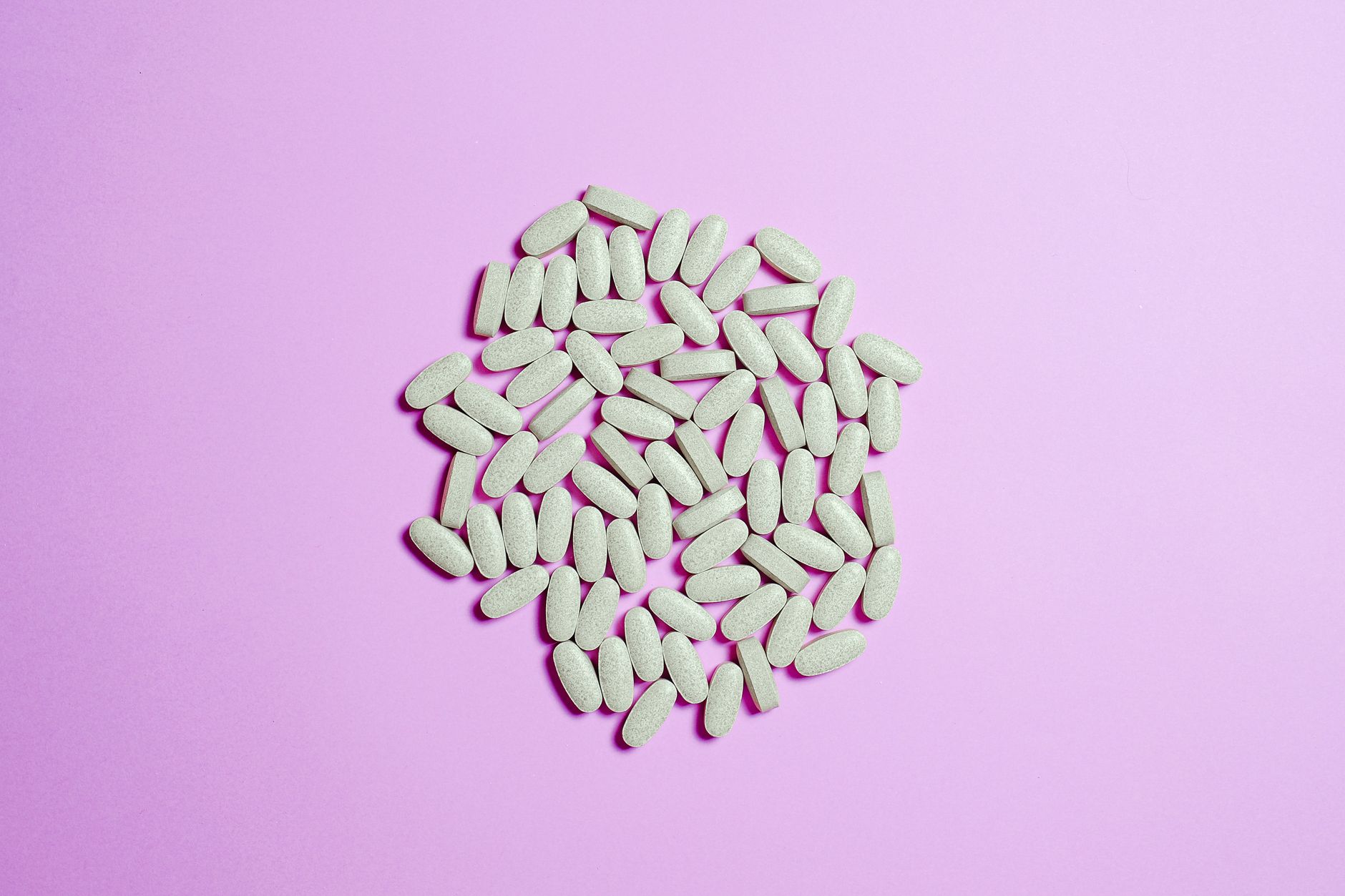
- Vitamin D — Especially important if you live in a region with limited sunlight. A deficiency is strongly linked to increased susceptibility to infections.
- Vitamin C — May reduce the duration and severity of colds when taken consistently.
- Zinc — Plays a crucial role in immune cell development. Zinc lozenges taken at the onset of a cold may shorten its duration.
- Elderberry — Some studies suggest it can reduce the severity and length of flu symptoms.
Always consult with a healthcare provider before starting any supplement regimen, especially if you're on medication or have underlying health conditions.
The Bottom Line
Boosting your immune system naturally isn't about one magic bullet — it's about building a lifestyle that consistently supports your body's defenses. Eat well, sleep deeply, move often, manage stress, stay hydrated, and minimize the habits that drag your health down. These aren't revolutionary ideas, but when practiced together and consistently, they create a foundation that helps your immune system do what it was designed to do: keep you healthy, resilient, and ready for whatever comes your way.
Start with one change this week. Maybe it's an extra serving of vegetables, a 20-minute evening walk, or finally committing to a consistent bedtime. Small, steady shifts add up — and your immune system will thank you for every single one.