The Best Fruits to Eat Every Day (Including Low-Sugar Options)
Not all fruits are created equal. Discover which fruits deliver the most nutrients per bite, and which ones are best if you're watching your sugar intake.

Published May 8, 2026 · Updated May 18, 2026

Fruit is one of the most universally praised food groups — and for good reason. Packed with vitamins, minerals, fiber, and antioxidants, whole fruits offer a level of nutritional complexity that no supplement can replicate. But with so many options available, and growing concerns about natural sugar content, it's worth knowing which fruits earn their place in your daily routine and which ones deserve a more occasional spot on your plate.
The short answer: most whole fruits are genuinely good for you. The longer answer involves understanding the difference between fiber-bound natural sugars and the free sugars in processed foods — and recognizing that for most people, the concern over fruit sugar is vastly overstated.
That said, if you're managing blood sugar, following a low-carb diet, or simply trying to eat more intentionally, knowing the sugar profile of different fruits is genuinely useful.
Why Eating Fruit Every Day Matters
Regular fruit consumption has been linked to a reduced risk of heart disease, stroke, type 2 diabetes, and certain cancers. A 2017 meta-analysis published in The Lancet found that people who ate more than 800 grams of fruit and vegetables daily had significantly lower mortality risk compared to those who ate less than 200 grams.
Beyond disease prevention, fruits contribute to:
- Gut health — Fiber in fruit feeds beneficial gut bacteria and supports healthy digestion
- Skin health — Vitamin C is essential for collagen synthesis; berries and citrus are excellent sources
- Mental well-being — Flavonoids in fruits like blueberries have been linked to reduced rates of depression
- Energy levels — Natural sugars paired with fiber provide steady, sustained energy without the crash of refined sugar
The Best Fruits to Eat Every Day
Blueberries
If you could only eat one fruit every day, blueberries would be a strong contender. They're remarkably low in calories (about 85 per cup), high in fiber, and contain one of the highest antioxidant concentrations of any fruit. The anthocyanins that give blueberries their deep blue color have been shown to improve memory, protect against cognitive decline, reduce blood pressure, and lower LDL cholesterol.
Sugar content: ~15g per cup — moderate, and well-offset by fiber.
Avocado
Yes, avocado is technically a fruit — and one of the most nutrient-dense foods on the planet. Unlike most fruits, it's very low in sugar and very high in healthy monounsaturated fats, which support heart health and help your body absorb fat-soluble vitamins. Avocados are also rich in potassium, magnesium, and folate.
Sugar content: ~0.4g per half avocado — among the lowest of any fruit.
Read also
How to Reset Your Gut Health in 7 DaysApples
An apple a day has stood the test of nutritional science reasonably well. Apples are high in quercetin, catechin, and chlorogenic acid — plant compounds linked to reduced risk of type 2 diabetes and heart disease. Their high fiber content (especially pectin) makes them particularly good for gut health and satiety.
Sugar content: ~19g per medium apple — higher, but the fiber significantly slows glucose absorption.
Kiwi
Kiwi is one of the most underrated fruits in the produce aisle. A single kiwi contains more vitamin C than an orange, along with vitamin K, folate, potassium, and a unique enzyme called actinidin that aids protein digestion. Studies have also shown that eating two kiwis before bed can improve sleep quality.
Sugar content: ~6g per kiwi — low to moderate.
Pomegranate
Pomegranate seeds (arils) are rich in punicalagins and punicic acid — two substances with potent antioxidant and anti-inflammatory properties. Multiple studies have found that pomegranate consumption lowers blood pressure, reduces LDL oxidation, and may help fight prostate cancer. It's one of the few fruits where the juice retains most of its benefits (though whole arils are still preferable).
Sugar content: ~24g per 100g of arils — on the higher end, but the polyphenol content is exceptional.
Bananas
Bananas get unfairly criticized for their sugar content, but they remain one of the most practical, nutrient-dense fruits available. They're an excellent source of potassium, vitamin B6, and prebiotic fiber (especially when slightly underripe). Green or just-ripe bananas have a lower glycemic impact than very ripe ones due to their resistant starch content.
Sugar content: ~14g per medium banana — moderate.
The Best Low-Sugar Fruits
If you're specifically looking for fruits that are low in sugar — whether for blood sugar management, ketogenic eating, or personal preference — these are your best options:
Berries (All Varieties)
Strawberries, raspberries, and blackberries are among the lowest-sugar fruits available while still being packed with vitamins and antioxidants. Raspberries and blackberries in particular have very high fiber-to-sugar ratios, meaning the net carbohydrate impact is minimal.
| Fruit | Sugar per 100g | |-------|---------------| | Avocado | 0.7g | | Raspberries | 4.4g | | Blackberries | 4.9g | | Strawberries | 4.9g | | Kiwi | 8.9g | | Blueberries | 10g | | Apple | 10.4g | | Banana | 12.2g | | Mango | 13.7g | | Grapes | 15.5g |
Watermelon
Despite its sweet taste, watermelon is actually 92% water and contains only about 9g of sugar per 100g serving. It's one of the best sources of lycopene (even better than tomatoes), and its high water content makes it excellent for hydration and satiety.
Lemons and Limes
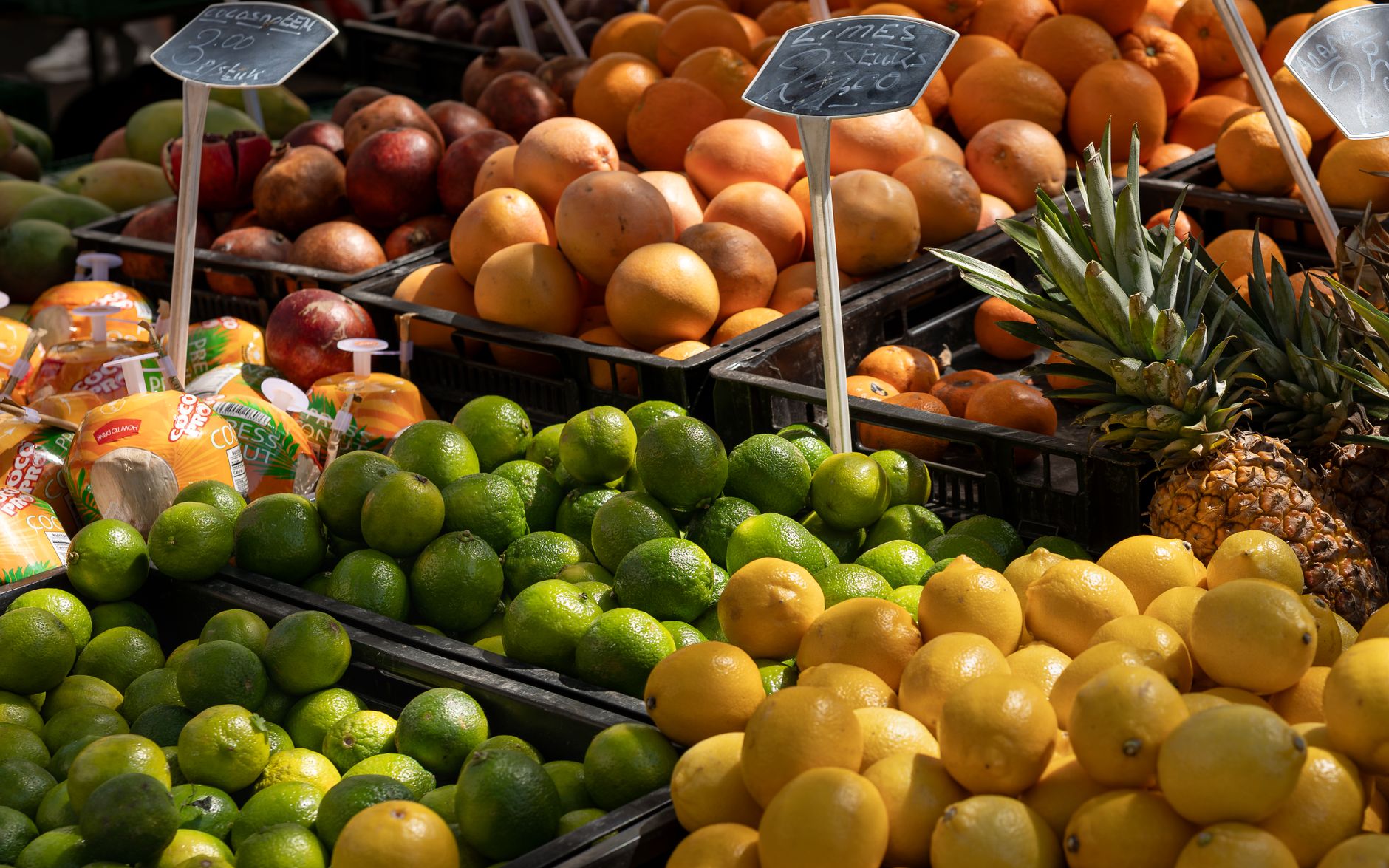
These citrus fruits are almost entirely composed of water and fiber, with minimal sugar. While you wouldn't eat them on their own, regularly adding fresh lemon or lime juice to water, dressings, and meals delivers vitamin C and has been shown to improve iron absorption from plant foods.
Fruits to Enjoy in Moderation
A few fruits are worth being mindful of — not because they're unhealthy, but because they're particularly high in sugar:

- Dried fruits — Raisins, dates, and dried apricots have concentrated sugar due to water removal. A small handful is fine; eating them freely is not.
- Grapes — Delicious, but easy to overconsume since they contain no filling fiber to slow you down.
- Mango and pineapple — Nutrient-rich but high in sugar; portion size matters more here than with berries.
- Fruit juices — Even 100% juice strips away the fiber that makes whole fruit so beneficial. The result is a liquid that spikes blood sugar much faster than its whole-food equivalent.
How to Get the Most Out of Fruit Every Day
Eat the skin when possible. The skin of apples, pears, and grapes contains a significant portion of the fiber and antioxidants. Wash thoroughly and eat whole.
Pair fruit with protein or fat. Eating an apple with almond butter or berries with Greek yogurt slows glucose absorption and keeps you fuller longer.
Prioritize whole fruit over juice. The fiber in whole fruit is not a side effect — it's a core part of what makes fruit beneficial.
Buy seasonal and local when you can. Fruits picked and eaten at peak ripeness contain higher levels of vitamins and antioxidants than those harvested early and shipped long distances.
Frozen is fine. Frozen fruits are picked at peak ripeness and flash-frozen immediately, often retaining more nutrients than "fresh" fruit that sat in transit for days.
The Bottom Line
The best fruit to eat every day is the one you'll actually eat consistently. If blueberries and kiwi appeal to you, make them a daily habit. If you're watching sugar intake, lean toward berries, avocado, and kiwi. If you want simplicity, an apple a day remains a solid, evidence-backed choice.

The goal isn't to optimize every gram of sugar — it's to build a sustainable pattern that includes a variety of colorful, whole fruits as a regular part of how you eat. Your body, gut, and long-term health will all benefit.