How to Manage Anxiety Without Medication
Anxiety is one of the most common mental health struggles in the world — and there are evidence-based tools that work beyond medication. Here's what the research actually supports.

April 24, 2026
Anxiety affects roughly one in five adults in any given year. It's the racing thoughts at 2 a.m., the tightness in your chest before a difficult conversation, the persistent feeling that something is about to go wrong. For millions of people, it's not occasional — it's a near-daily backdrop to their lives.
Medication helps many people, and there's no shame in taking it. But not everyone wants to, and not everyone needs to. A growing body of research shows that specific behavioral, physical, and psychological tools can meaningfully reduce anxiety — in some cases as effectively as medication. This article covers the ones that actually hold up to scrutiny.
Understanding What Anxiety Is Doing
Before reaching for a solution, it helps to understand the mechanism. Anxiety is your threat-detection system — your brain's alarm. It evolved to protect you from danger by triggering physiological arousal: faster heartbeat, shallow breathing, heightened alertness. In the presence of an actual threat, that system is valuable. The problem is that the modern brain fires this alarm in response to emails, social situations, and hypothetical future events.
The strategies below work by interrupting this alarm at different points — calming the nervous system, changing the thought patterns that fuel it, or building the baseline resilience that makes anxiety less frequent and less intense.
1. Controlled Breathing (The Fastest Tool You Have)
When anxiety spikes, your breathing becomes shallow and fast, which keeps your nervous system locked in fight-or-flight mode. Slow, controlled breathing directly activates the parasympathetic nervous system — the physiological opposite of the stress response.
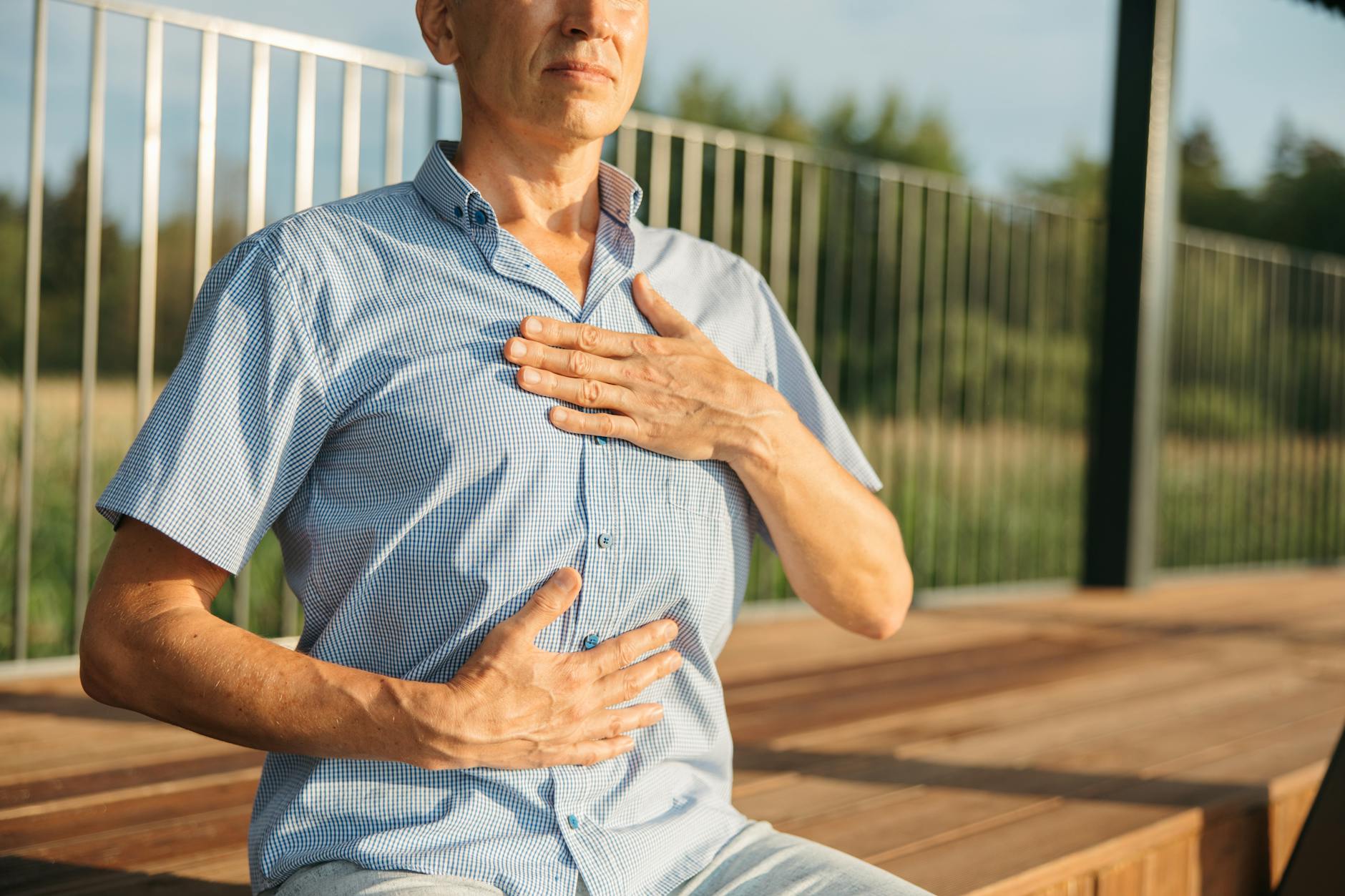
The most well-researched technique is box breathing, used by Navy SEALs and trauma therapists alike:
Read also
Signs of Burnout and How to Recover- Inhale for 4 counts
- Hold for 4 counts
- Exhale for 4 counts
- Hold for 4 counts
Repeat for 4–6 cycles. Within 2–3 minutes, most people notice measurable physiological calm. This isn't relaxation theater — it's direct nervous system regulation.
An extended exhale technique (inhale for 4, exhale for 8) is even more effective for acute anxiety because a longer exhale stimulates the vagus nerve more strongly.
2. Cognitive Behavioral Techniques
Cognitive Behavioral Therapy (CBT) is consistently ranked among the most effective treatments for anxiety disorders — in many trials, comparable to medication for generalized anxiety and superior for certain phobias and social anxiety.
Read also
How to Lower Cortisol NaturallyThe core idea: anxiety is largely driven by distorted thought patterns, and those patterns can be identified and changed.
The most useful technique for daily anxiety is called cognitive restructuring. When you notice anxious thoughts, ask:
- Is this thought a fact or an interpretation?
- What evidence supports this fear? What evidence contradicts it?
- What's the most likely outcome — not the worst case?
- What would I tell a friend who had this thought?
This isn't toxic positivity. It's training your brain to evaluate threats accurately rather than catastrophically. With practice, it becomes faster and more automatic.
Behavioral experiments are equally powerful: deliberately doing the thing you fear (at a manageable level) and noticing that the predicted catastrophe doesn't materialize. Avoidance maintains anxiety; exposure reduces it.
3. Regular Aerobic Exercise
The evidence here is remarkably consistent. Multiple meta-analyses have found that regular aerobic exercise reduces anxiety symptoms with an effect size comparable to antidepressants and anxiolytics. Exercise works through several mechanisms simultaneously: it reduces cortisol, increases serotonin and dopamine, raises your threshold for stress reactivity, and improves sleep — all of which directly affect anxiety.

The threshold for benefit is modest: 150 minutes of moderate aerobic activity per week (30 minutes, five days) produces significant anxiolytic effects. Higher intensity doesn't necessarily mean greater benefit for anxiety specifically — consistency matters more than intensity.
Running, cycling, swimming, and brisk walking all qualify. The key is making it regular enough that it becomes habit rather than intervention.
4. Sleep as a Non-Negotiable
Anxiety and sleep have a bidirectional relationship: anxiety disrupts sleep, and poor sleep dramatically worsens anxiety. Research from UC Berkeley found that even one night of poor sleep increased anxiety levels the next day by up to 30%.
Prioritizing sleep hygiene isn't a soft recommendation — it's foundational to anxiety management:
- Keep consistent sleep and wake times, even on weekends
- Eliminate screens 30–60 minutes before bed
- Keep the bedroom cool and dark
- Avoid caffeine after noon if you're anxiety-prone
If anxious thoughts are disrupting sleep specifically, a practice called stimulus control helps: use the bed only for sleep. If you're lying awake anxious for more than 20 minutes, get up and do something calm until you feel sleepy. This rebuilds the mental association between bed and sleep rather than bed and worry.
5. Mindfulness Meditation (Done Right)
Mindfulness has become a buzzword, which has diluted its practical credibility. But the underlying research is solid. Mindfulness-Based Stress Reduction (MBSR) — an 8-week structured program — has been shown to reduce anxiety symptoms in dozens of controlled trials.

The mechanism is different from what most people expect. Mindfulness doesn't make anxiety disappear. It changes your relationship to anxious thoughts — you observe them as mental events rather than facts, which reduces their grip. The thought "something terrible is going to happen" has less power when you can notice it as a thought rather than experiencing it as reality.
Starting point: 10 minutes daily of breath-focused attention. Apps like Insight Timer offer free guided sessions. Consistent daily practice for 8 weeks shows measurable changes in anxiety.
6. Reducing Stimulants
Caffeine directly stimulates the same physiological arousal as anxiety — elevated heart rate, increased cortisol, heightened alertness. For people with anxiety, caffeine can trigger or amplify anxiety symptoms in ways that are easy to underestimate because the association isn't immediate.
Alcohol, commonly used to calm anxiety, has a rebound effect. It initially sedates but disrupts sleep architecture and elevates anxiety the following day — a pattern that can create dependency without the person realizing the alcohol is making things worse.
Reducing or eliminating both for 30 days is one of the most informative experiments an anxiety sufferer can run. Many people are surprised by the degree of improvement.
7. When to Seek Professional Support
The strategies above work. But they work best when anxiety is mild to moderate, or as a complement to professional treatment when it's more severe. If anxiety is significantly impacting your work, relationships, or daily functioning, therapy — specifically CBT with a licensed therapist — is worth pursuing.

A therapist provides personalized guidance, accountability, and techniques tailored to your specific anxiety pattern. Telehealth has made therapy significantly more accessible and affordable than it was five years ago.
Medication and behavioral tools aren't mutually exclusive either. Many people find that medication reduces symptoms enough to engage meaningfully in therapy, then taper off the medication once they've built robust coping skills.
Anxiety doesn't have to be permanent. It's treatable, manageable, and in many cases significantly reducible through consistent effort. The tools exist. The research supports them. What's required is picking one or two, applying them consistently, and giving them enough time to work — because none of them are overnight fixes, and all of them get more effective with practice.