Signs of Burnout and How to Recover
Burnout is more than feeling tired — it's a state of chronic depletion that won't fix itself. Learn to recognize the signs and actually recover.

January 10, 2026
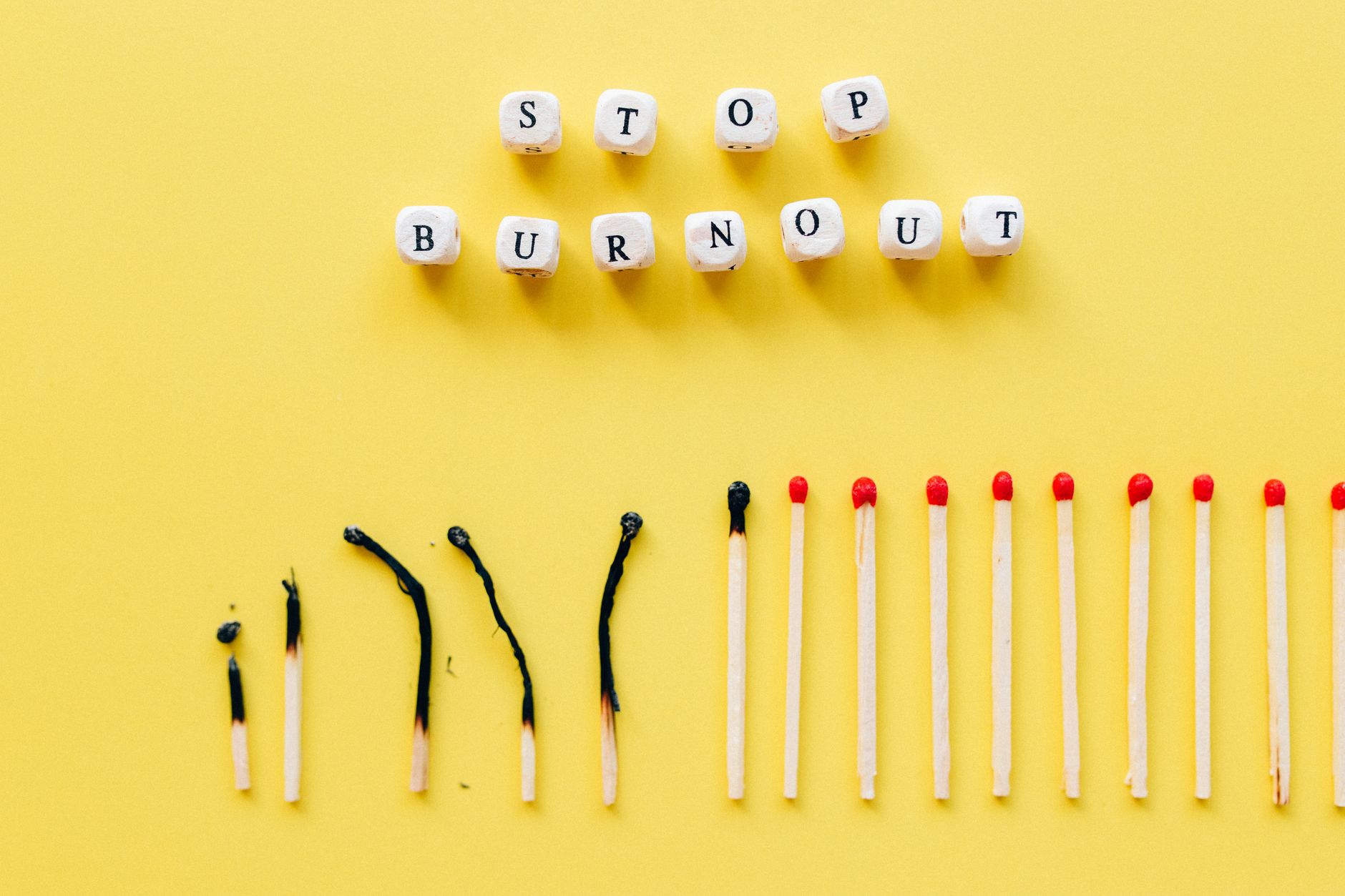
Burnout has officially been classified by the World Health Organization as an occupational phenomenon — "a syndrome resulting from chronic workplace stress that has not been successfully managed." But in practice, burnout extends well beyond the office. Caregivers burn out. Parents burn out. Students burn out. Anyone subjected to prolonged, unrelenting demands without adequate recovery can reach this state.
The dangerous thing about burnout is that it creeps up gradually. By the time most people recognize it, they've been operating in a depleted state for months, sometimes years.
What Burnout Actually Is
Burnout is characterized by three dimensions, as defined by psychologist Christina Maslach, who developed the most widely used burnout assessment tool:
- Exhaustion: Not ordinary tiredness — a profound, persistent depletion that sleep doesn't fix
- Cynicism and depersonalization: Emotional detachment, loss of idealism, feeling indifferent or even resentful toward work and people that once mattered
- Reduced sense of accomplishment: Feeling that nothing you do makes a difference; persistent sense of ineffectiveness
This is distinct from depression, though the two can coexist and share features. The key difference is that burnout is context-specific (usually tied to chronic demands) while depression tends to be more pervasive.
10 Signs You May Be Burned Out
1. Exhaustion that doesn't improve with rest. You sleep 8 hours and wake up tired. Weekends don't restore you. Vacations provide only temporary relief.

2. Physical symptoms without clear cause. Headaches, gastrointestinal problems, frequent illnesses, muscle tension, chest tightness. Burnout is not purely psychological — it manifests physically through chronic cortisol elevation.
Read also
How to Manage Anxiety Without Medication3. Increasing cynicism and detachment. Work (or caregiving, or relationships) that used to feel meaningful now feels pointless. You go through the motions without engagement.
4. Decreased performance despite increased effort. You're working harder but producing less. Concentration is poor. Simple decisions feel overwhelming.
5. Emotional blunting. You feel disconnected from your emotions — neither happy nor sad, just numb. Or the opposite: emotional volatility with short fuse and disproportionate reactions.
6. Neglecting your own needs. You've stopped exercising, eating well, seeing friends, pursuing hobbies. Self-care feels like a luxury you can't afford.
7. Resentment toward obligations. Things you once chose freely — a job, a relationship, volunteering — now feel like burdens imposed on you.
8. Difficulty disconnecting. You can't stop thinking about work or obligations even during supposed downtime. The mental switch-off never happens.
9. Increased use of substances. More alcohol, caffeine, or other substances to cope with demands or manage emotions.
10. Questioning whether anything is worth it. Existential fatigue — questioning the meaning or value of what you're doing.
How to Recover: What Actually Works
Recovery from burnout requires more than a vacation, though rest is a component. Research by Erin Reid and Lakshmi Ramarajan published in the Harvard Business Review found that burnout recovery typically takes 3 months to a year depending on severity.
Step 1: Acknowledge It Without Judgment
Many people in burnout push harder — interpreting their declining performance as evidence they need to try more, not less. Recognizing what's happening is the prerequisite for doing anything about it.
Step 2: Reduce Demands — Not Just Manage Them Better
Most "burnout solutions" focus on individual resilience: meditate more, sleep better, exercise. These help, but they don't address the source. Research is clear that burnout is primarily an organizational/situational problem, not an individual one.
This means having real conversations about workload, delegating, saying no to new commitments, or making structural changes to your situation. A meditation practice won't fix a role that has fundamentally unsustainable demands.
Step 3: Protect Deep Rest
Passive rest (watching TV, scrolling) does not produce the neural recovery that burnout demands. Research identifies "detachment experiences" as the critical ingredient: activities that completely absorb attention and create psychological distance from stressors.
Effective recovery activities include:
- Time in nature (measurably lowers cortisol)
- Flow-state hobbies: music, crafts, sports, cooking — anything absorbing
- Social connection with people you genuinely enjoy (not obligatory socializing)
- Physical movement
- Adequate sleep (non-negotiable)
Step 4: Rebuild Meaning
Burnout erodes sense of purpose. Actively reconnecting with what matters — whether through reflection, therapy, conversation, or new experiences — begins to restore the motivational foundation that burnout depletes.
Step 5: Consider Professional Support
Psychotherapy — particularly Acceptance and Commitment Therapy (ACT) and Cognitive Behavioral Therapy (CBT) — has strong evidence for burnout recovery. A therapist can help identify patterns, boundaries, and values that prevent the cycle from repeating.
Preventing Recurrence
Once you've recovered from burnout, the critical work is addressing the conditions that created it:
- Regular assessment of your workload and energy
- Consistent boundaries around availability
- Non-negotiable recovery time built into every week, not just vacations
- Recognizing early warning signs before they compound
Burnout isn't a character flaw or a weakness. It's a predictable biological response to prolonged demand without recovery. Treating it with the same seriousness as any medical condition is the starting point.