Intermittent Fasting 16:8 Meal Plan for Beginners: Exactly What to Eat
A day-by-day 16:8 intermittent fasting meal plan built for beginners — the best foods to eat during your 8-hour window, how to break your fast without crashing, and what to expect in week one.

April 22, 2026
The 16:8 method is the most popular form of intermittent fasting for a reason: it fits naturally around a normal schedule, requires no special foods, and produces real results without feeling like punishment. But knowing what to eat during your 8-hour eating window — and how to structure meals so you don't end up ravenous or over-eating — makes all the difference between struggling through week one and actually sticking with it.
This guide gives you a complete, day-by-day meal plan for your first week of 16:8 intermittent fasting, plus the principles behind it so you can adapt it to your own preferences.
What Is the 16:8 Schedule, Exactly?
You fast for 16 consecutive hours and eat within an 8-hour window each day. The most common approach is skipping breakfast and eating between 12:00 PM and 8:00 PM — which means the bulk of your fast happens overnight while you sleep.
During the fasting window: water, black coffee, and plain unsweetened tea are allowed. Everything else breaks the fast.
During the eating window: you eat normally. No calorie counting required, though food quality matters for results.
What Should Your First Meal of the Day Look Like?
Breaking a 16-hour fast with a massive meal is a recipe for bloating and energy crashes. Your digestive system has been quiet for 16 hours, so a moderate, balanced first meal works better than a feast.
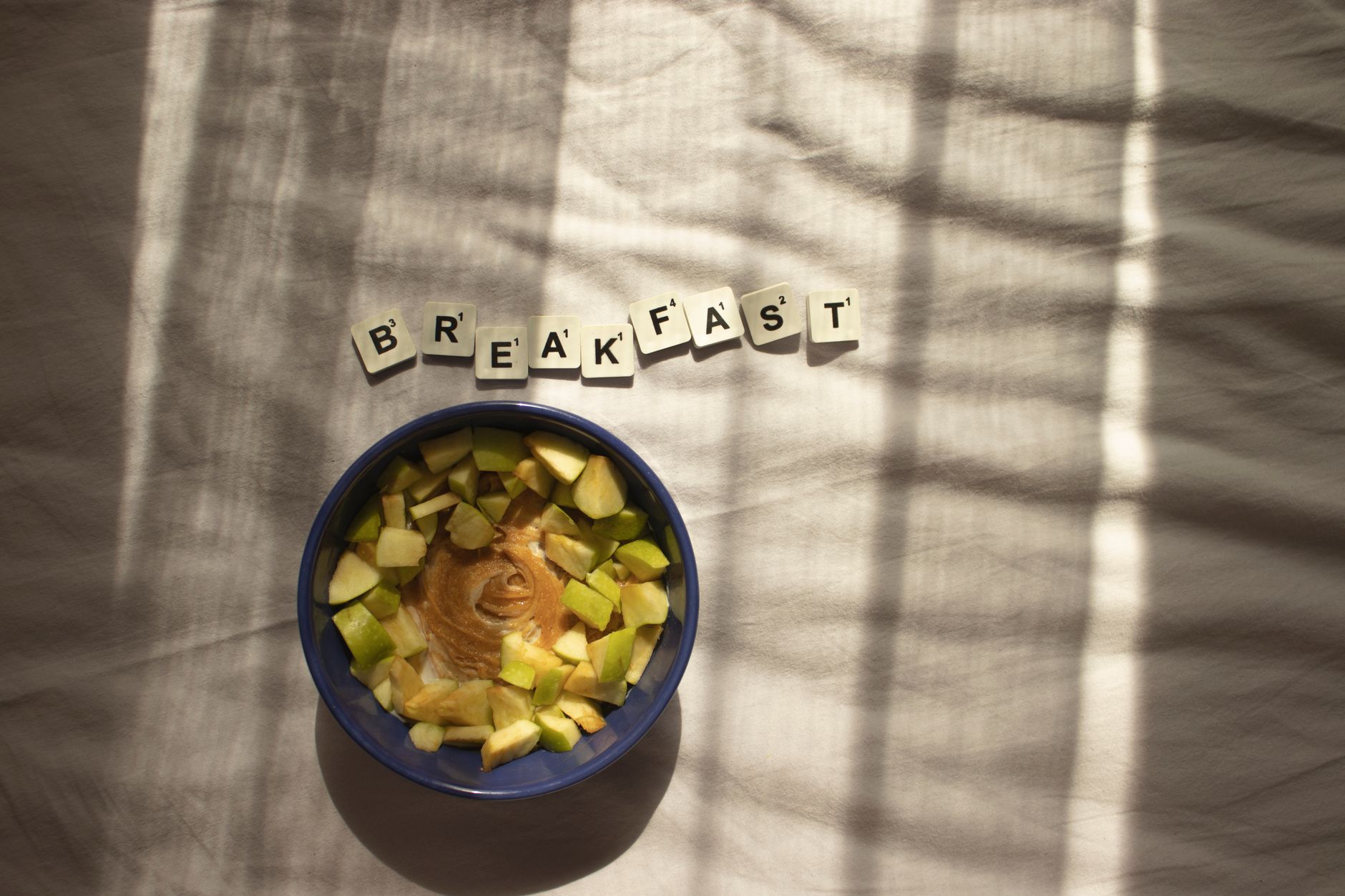
Ideal first meal structure:
- A moderate portion of lean protein (eggs, Greek yogurt, chicken, fish)
- A source of healthy fat (avocado, olive oil, nuts)
- Fiber from vegetables or low-glycemic fruit
- Minimal refined carbohydrates
Examples:
- 2 eggs scrambled with spinach and avocado
- Greek yogurt with berries and a tablespoon of almond butter
- A chicken and vegetable bowl with olive oil dressing
- Salmon with roasted vegetables
Avoid: sugary drinks, pastries, or heavy carb-only meals as your first food after fasting. These spike blood sugar rapidly and lead to an energy crash within 2 hours.
Your 7-Day 16:8 Meal Plan (12 PM — 8 PM Window)
Day 1 — Keep It Simple
12:00 PM — Break-Fast Meal
- 2 scrambled eggs with sautéed spinach
- Half an avocado
- 1 slice whole grain toast
- Water or herbal tea
3:30 PM — Snack
- A small handful of mixed nuts (almonds, walnuts)
- 1 apple
7:00 PM — Dinner
- Grilled chicken breast (150-180g)
- Roasted sweet potato (medium)
- Side salad with olive oil and lemon dressing
Day 2 — Add More Protein
12:00 PM — Break-Fast Meal
- Greek yogurt (plain, full-fat) with blueberries and a drizzle of honey
- 1 hard-boiled egg
3:30 PM — Snack
- Celery sticks with 2 tablespoons almond butter
7:30 PM — Dinner
- Baked salmon fillet
- Quinoa (half cup cooked)
- Steamed broccoli with garlic
Day 3 — Expect the Hardest Day
Day 3 is typically the toughest for beginners — hunger signals are peaking as your body adjusts to the new eating rhythm. Stay hydrated and keep busy through the late-morning.
12:00 PM — Break-Fast Meal
- Large salad: mixed greens, grilled chicken, cherry tomatoes, cucumber, feta, olive oil
- 1 whole grain roll
3:00 PM — Snack
- Cottage cheese (100g) with sliced strawberries
7:30 PM — Dinner
- Turkey meatballs with zucchini noodles and marinara sauce
- Side of roasted asparagus
Day 4 — Things Start Getting Easier
Most people notice reduced morning hunger by day 4. Your body is beginning to adapt to fat-burning during the fasting window.
12:00 PM — Break-Fast Meal
- Smoothie: protein powder (1 scoop), spinach, frozen banana, almond milk, tablespoon of chia seeds
- Note: make this a meal replacement, not a snack
4:00 PM — Snack
- Hummus with sliced bell peppers and cucumber
7:30 PM — Dinner
- Stir-fried tofu or beef with mixed vegetables and brown rice
- Soy sauce, ginger, garlic for seasoning
Day 5 — Experiment With Timing
12:00 PM — Break-Fast Meal
- 3-egg omelette with mushrooms, onions, and goat cheese
- Small side of fruit
3:30 PM — Snack
- 1 ounce dark chocolate (70%+) and a small handful of cashews
7:00 PM — Dinner
- Baked cod with lemon and herbs
- Roasted cauliflower and carrots
- Small portion of lentils
Day 6 — Weekend Flexibility
Weekends are where the 16:8 schedule can flex. If you're eating brunch with friends, shift your window to 11 AM — 7 PM or 1 PM — 9 PM. The window matters; the exact hours don't.
12:00 PM — Break-Fast Meal
- Avocado toast on sourdough with poached eggs
- Mixed berry side
4:00 PM — Snack
- Protein shake or Greek yogurt
7:30 PM — Dinner
- Grilled shrimp tacos (corn tortillas, cabbage slaw, lime crema)
- Side salad
Day 7 — Assess and Adjust
12:00 PM — Break-Fast Meal
- Overnight oats (rolled oats, chia seeds, almond milk, prepared the night before)
- Top with banana slices and a tablespoon of peanut butter
3:30 PM — Snack
- A handful of mixed berries and a boiled egg
7:00 PM — Dinner
- Chicken thighs roasted with root vegetables
- Quinoa or wild rice
- Steamed green beans
What Can You Drink During the Fast?
This is the most common question from beginners — and the most important one to get right.

Allowed (zero calories, no insulin response):
- Water (still or sparkling)
- Black coffee (no milk, cream, or sweetener)
- Plain green, black, or herbal tea (no additives)
Not allowed:
- Milk, cream, or non-dairy milk in coffee
- Any sweetener, including stevia (debated, but conservative approach is to avoid)
- Bone broth (has calories)
- Bulletproof coffee (has significant calories from butter/MCT oil)
- Diet soda (may not break the fast calorically, but can trigger hunger)
How Many Calories Should You Eat?
The beauty of 16:8 is that calorie counting isn't required. By compressing your eating window, most people naturally eat 200-500 fewer calories per day without tracking anything. That said, if results plateau, it helps to check that you're not overcompensating during the eating window.
A rough target for adults:
- Women aiming for weight loss: 1,400—1,700 calories during the eating window
- Men aiming for weight loss: 1,700—2,100 calories
- Maintenance: add 200-300 calories to the above
What to Expect in Week One
Days 1-2: Hunger in the late morning is normal and usually passes within 20-30 minutes. Keep water nearby.

Day 3: Often the hardest day. Headaches, irritability, and fatigue are common and temporary. This is your body switching fuel sources.
Days 4-5: Most people report noticeably reduced morning hunger. Mental clarity during the fasting window often improves.
Days 6-7: The schedule starts to feel natural. Energy levels stabilize and many people report better sleep.
By the end of week one, most people are ready to commit to a second week — which is usually significantly easier.
Related Intermittent Fasting Guides
- Intermittent Fasting for Beginners: The Complete Step-by-Step Guide
- What to Expect Week by Week: IF Results Timeline
- Intermittent Fasting Side Effects: What's Normal vs. a Warning Sign
Sources & References
You might also like
🏥 Browse all 53 Health & Wellness articles →
Intermittent Fasting for Beginners: The Complete Step-by-Step Guide
7 min read

Intermittent Fasting Results for Beginners: What Happens to Your Body Week by Week
7 min read
Intermittent Fasting Side Effects in Beginners: What's Normal vs. a Warning Sign
7 min read