Natural Remedies for Headaches That Actually Work
Discover proven natural remedies for headaches, from hydration and essential oils to acupressure and magnesium, backed by science and real results.

Published April 13, 2026 · Updated May 18, 2026
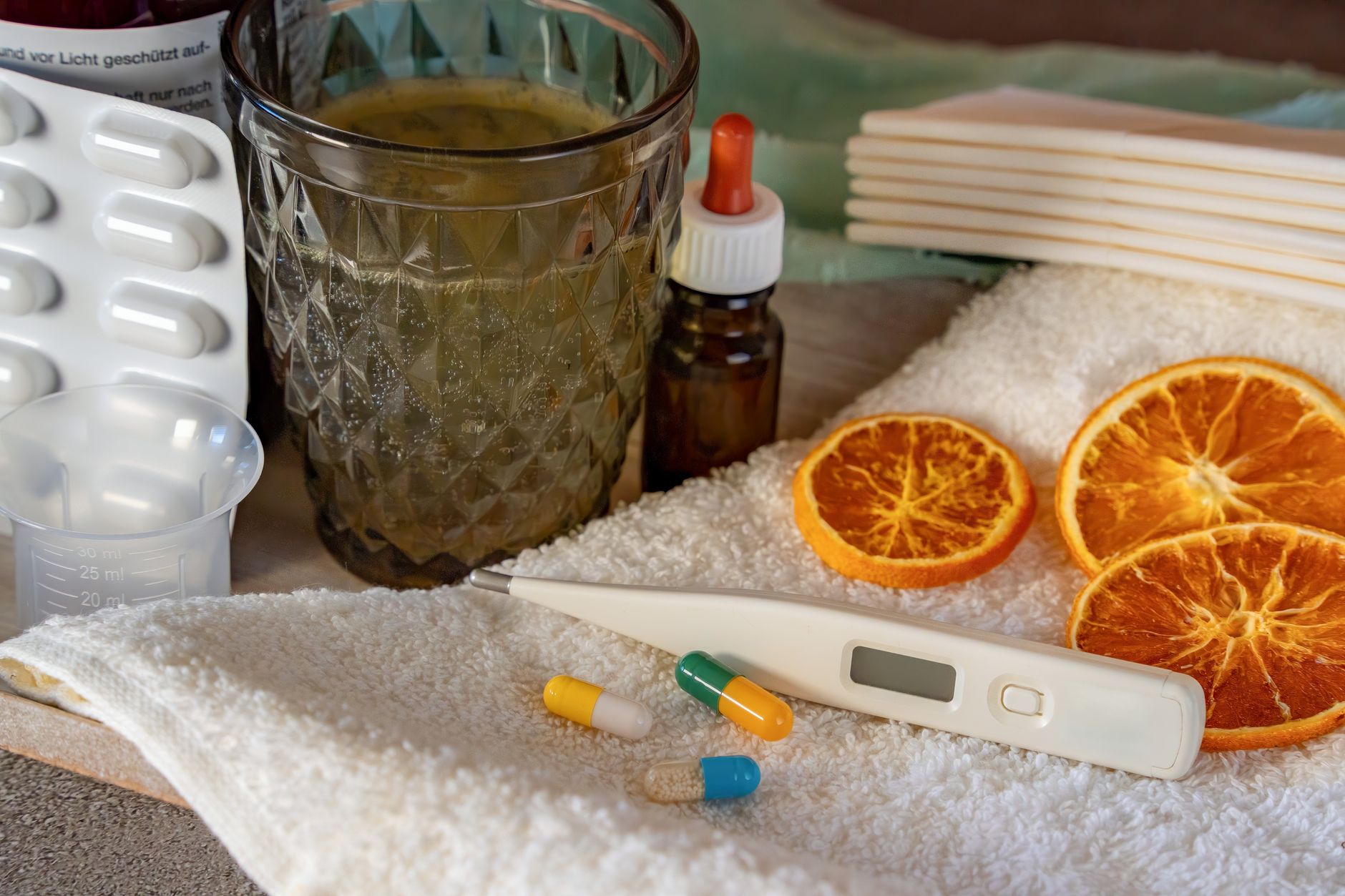
If you've ever found yourself reaching for the ibuprofen bottle for the third time in a week, you're not alone. Headaches are one of the most common health complaints worldwide — the World Health Organization estimates that nearly half of the adult population has experienced a headache disorder in the past year. While over-the-counter medications certainly have their place, relying on them too frequently can lead to rebound headaches, stomach issues, and other unwanted side effects. The good news? There are plenty of natural remedies that genuinely work, many of them backed by solid scientific research. Let's explore the ones that are worth your time.
Hydration: The Simplest Fix You're Probably Overlooking
It sounds almost too obvious, but dehydration is one of the leading triggers for headaches and migraines. When your body loses more fluid than it takes in, your brain can temporarily contract from fluid loss, pulling away from the skull and causing pain.
A study published in the Journal of Evaluation in Clinical Practice found that increasing water intake by just 1.5 liters per day significantly reduced headache intensity and duration in participants who were chronically mildly dehydrated.
Read also
How to Reduce Stress Without MedicationHow to put this into practice:
- Start your morning with a full glass of water before coffee or tea
- Carry a reusable water bottle and aim for at least 8 glasses (about 2 liters) daily
- If you find plain water boring, add slices of cucumber, lemon, or fresh mint
- Monitor your urine color — pale yellow means you're well hydrated
Before you try anything else on this list, make sure you're drinking enough water. You might be surprised how many headaches disappear with this one simple change.
Peppermint Oil: Nature's Cooling Agent
Peppermint oil has been used for centuries as a headache remedy, and modern science confirms it's more than folklore. The active compound, menthol, increases blood flow and provides a cooling sensation that can relax tense muscles around the forehead and temples.

A clinical study published in Cephalalgia found that applying a 10% peppermint oil solution to the temples was as effective as 1,000 mg of acetaminophen for tension-type headache relief.
How to use it:
- Dilute 2–3 drops of peppermint essential oil with a carrier oil like coconut or jojoba oil
- Gently massage the mixture onto your temples, forehead, and the back of your neck
- Sit quietly for 15–20 minutes and breathe deeply
- Reapply as needed, but avoid getting it near your eyes
Magnesium: The Mineral Most People Are Missing
Magnesium plays a critical role in nerve transmission and muscle relaxation, and deficiency has been strongly linked to headaches — particularly migraines. Research suggests that up to 50% of people experiencing migraines have low magnesium levels.
The American Migraine Foundation recognizes magnesium as a preventive treatment option, especially for people who experience migraines with aura. A daily supplement of 400–600 mg of magnesium oxide or magnesium citrate has shown promise in reducing migraine frequency.
Magnesium-rich foods to add to your diet:
- Dark leafy greens (spinach, kale, Swiss chard)
- Almonds and cashews
- Avocados
- Dark chocolate (yes, really — in moderation)
- Pumpkin seeds
- Black beans and lentils
If you're considering a supplement, magnesium glycinate tends to be the gentlest on the stomach and most easily absorbed. Always check with your healthcare provider before starting a new supplement routine.
Ginger: A Powerful Anti-Inflammatory
Ginger isn't just for settling an upset stomach — it's also a remarkably effective headache fighter. It works by blocking prostaglandins, the chemical compounds that stimulate muscle contractions and inflammation in blood vessels in the brain.
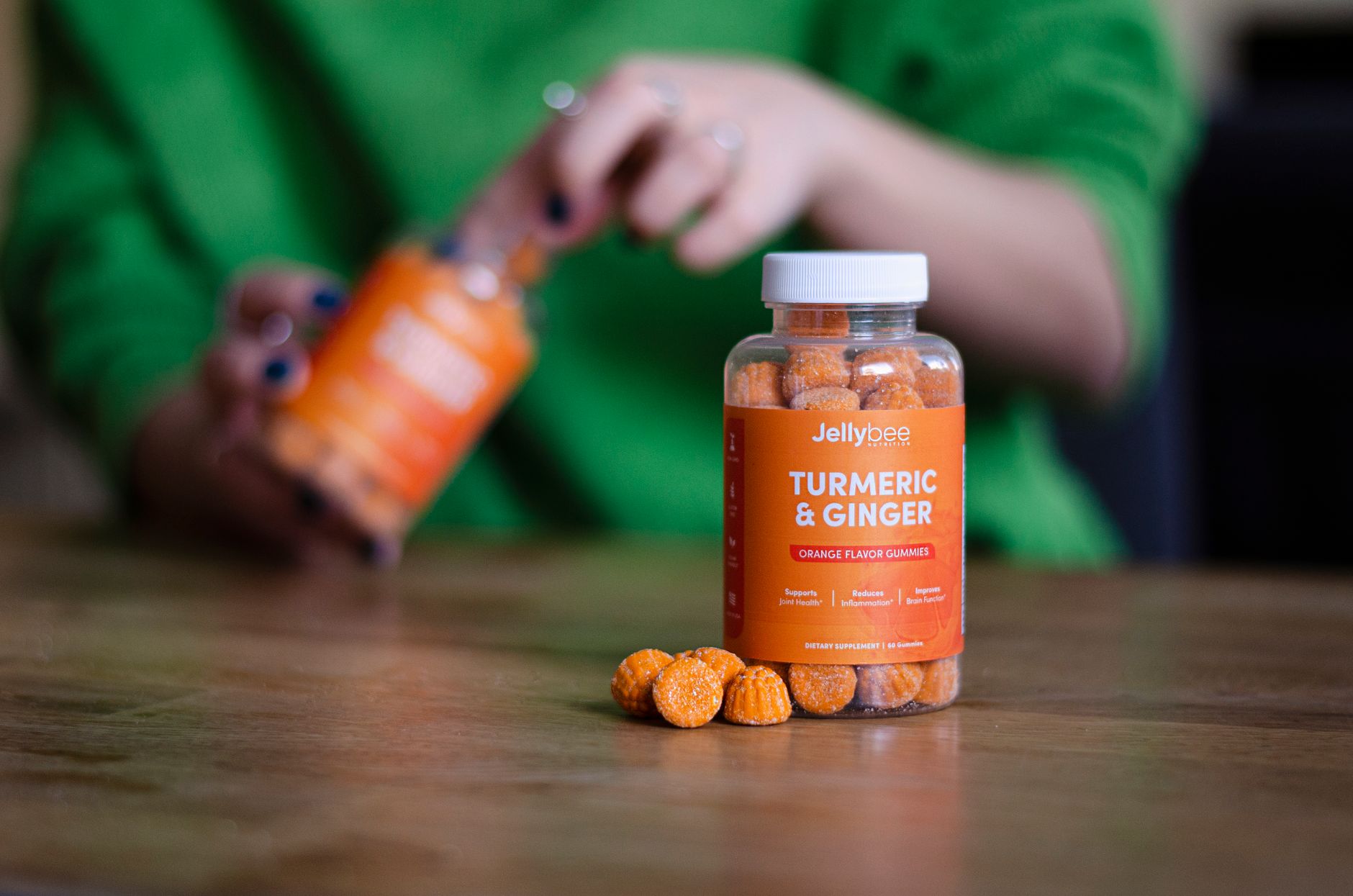
A 2014 study published in Phytotherapy Research compared ginger powder to sumatriptan (a common migraine medication) and found that ginger was equally effective at reducing migraine severity, with fewer side effects.
Easy ways to use ginger for headaches:
- Brew fresh ginger tea by steeping thin slices of ginger root in boiling water for 10 minutes
- Add a teaspoon of grated fresh ginger to smoothies
- Keep ginger chews or crystallized ginger on hand for quick relief
- Try a ginger and honey tonic: mix grated ginger, warm water, a squeeze of lemon, and a drizzle of raw honey
Acupressure: Relief at Your Fingertips
Acupressure is a traditional Chinese medicine technique that involves applying firm pressure to specific points on the body. For headaches, the most well-known point is LI4 (Hegu), located in the fleshy area between your thumb and index finger.
Research published in the American Journal of Chinese Medicine has shown that stimulating this pressure point can significantly reduce headache pain within minutes.
How to perform acupressure for headaches:
- LI4 (Hegu): Pinch the webbing between your thumb and index finger firmly for 4–5 minutes on each hand. Apply steady, circular pressure.
- GB20 (Feng Chi): Place your thumbs at the base of your skull where the neck muscles attach. Press firmly upward for 3–5 minutes while breathing deeply.
- Yintang (Third Eye Point): Press the spot between your eyebrows with your index finger for 2–3 minutes using gentle, steady pressure.
These techniques are free, safe, and can be done virtually anywhere — at your desk, on the couch, or even during a commute (as a passenger, of course).
Cold and Warm Compresses: Old-School But Effective
Temperature therapy is one of the oldest headache remedies in existence, and it remains effective for good reason. Cold constricts blood vessels and reduces inflammation, while warmth relaxes tense muscles and improves circulation.

When to use cold:
- Migraines and throbbing headaches — apply a cold pack or ice wrapped in a cloth to your forehead or temples for 15 minutes
When to use warmth:
- Tension headaches and neck stiffness — place a warm towel or heating pad on the back of your neck and shoulders for 15–20 minutes
Some people find alternating between cold and warm compresses especially helpful. Experiment to see what works best for your particular headache type.
Caffeine: A Double-Edged Sword
In small, strategic amounts, caffeine can actually help relieve headaches. It narrows blood vessels, reduces inflammation, and enhances the absorption of pain-relieving compounds — which is exactly why it's an ingredient in many OTC headache medications.
However, there's a catch. Regular caffeine consumption can lead to dependence, and withdrawal often triggers rebound headaches. The key is moderation.
Smart caffeine use for headaches:
- A small cup of black coffee or green tea at the onset of a headache can help
- Limit total daily caffeine intake to 200 mg (roughly two 8-ounce cups of coffee)
- Avoid caffeine after 2 PM to protect your sleep quality — poor sleep is itself a major headache trigger
Lifestyle Habits That Prevent Headaches Before They Start
Beyond these targeted remedies, certain daily habits can dramatically reduce how often headaches occur in the first place:
- Prioritize sleep: Aim for 7–9 hours of consistent, quality sleep each night
- Manage stress: Practice deep breathing, meditation, or yoga regularly
- Move your body: Even a 20-minute walk can boost circulation and release tension
- Limit screen time: Follow the 20-20-20 rule — every 20 minutes, look at something 20 feet away for 20 seconds
- Eat regularly: Skipping meals causes blood sugar dips that commonly trigger headaches
When to See a Doctor
Natural remedies are powerful tools, but they aren't a replacement for professional medical advice. If your headaches are sudden and severe, accompanied by fever, vision changes, confusion, or stiff neck, seek medical attention immediately. Similarly, if you experience headaches more than 15 days a month, a healthcare provider can help identify underlying causes and develop a comprehensive treatment plan.

The most effective approach to headache management combines natural remedies with healthy lifestyle choices and, when necessary, conventional medicine. Start with the strategies above, pay attention to your personal triggers, and build a toolkit of go-to remedies that work for your body. You don't have to live at the mercy of your next headache — relief might already be in your kitchen, your water bottle, or the tips of your fingers.


