Why Your Older Cat Prefers Kitten Food: A Vet's Guide to Senior Pet Nutrition
Discover why your senior cat craves kitten food, whether it's safe, and how to manage their nutrition for optimal health in their golden years.

Published April 15, 2026 · Updated May 18, 2026
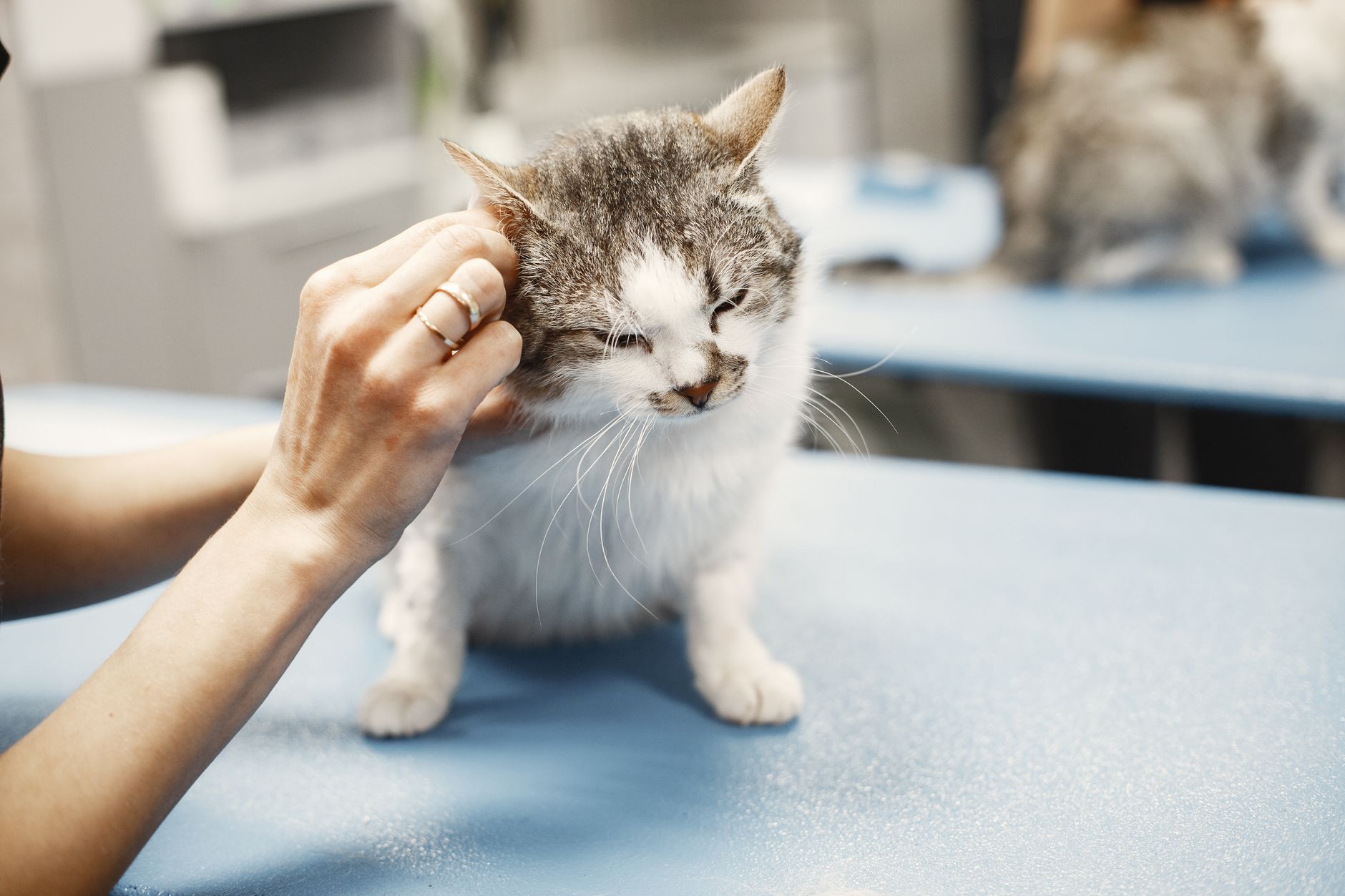
If you've caught your aging feline nosing into the kitten's food bowl — again — you're not imagining things. Many cat owners notice their senior cats developing a seemingly inexplicable preference for kitten food over their own carefully selected senior formula. Before you chalk it up to feline stubbornness, there's actually real science behind this behavior. Understanding why it happens, and whether you should allow it, is key to keeping your older cat healthy and happy well into their golden years.
What Makes Kitten Food So Irresistible to Senior Cats?
Kitten food is formulated to support rapid growth and development. That means it's packed with higher levels of protein, fat, and calories compared to adult or senior cat food. For an older cat, this translates to one simple thing: it tastes and smells significantly better.
Here's how kitten food typically differs from senior formulas:
- Higher protein content — often 35–50% compared to 28–35% in senior food
- More fat — kitten food averages 18–22% fat versus 10–15% in senior blends
- Richer aroma — the elevated fat and protein create a stronger, more appealing scent
- Smaller, softer kibble — easier on aging teeth and gums
- Higher calorie density — more energy per bite
Cats are obligate carnivores with a strong instinctive drive toward protein and fat. As cats age, their sense of smell and taste can diminish — a condition veterinary researchers have documented extensively. A 2023 study published in the Journal of Feline Medicine and Surgery found that approximately 50% of cats over the age of 12 experience measurable declines in olfactory sensitivity. When their regular senior food smells bland, the richer, more pungent kitten food becomes almost impossible to resist.
Is It Actually Safe for Older Cats to Eat Kitten Food?
The short answer: it depends on the cat. The long answer requires a closer look at your senior cat's individual health profile.

When Kitten Food Might Be Beneficial
In certain situations, veterinarians actually recommend kitten food for older cats:
Read also
How to Reset Your Gut Health in 7 Days- Underweight senior cats — Cats losing weight due to hyperthyroidism, chronic kidney disease, cancer, or simply age-related muscle wasting can benefit from the calorie-dense nutrition kitten food provides.
- Cats with poor appetite — If your senior cat is refusing to eat their regular food, kitten food's stronger flavor and aroma can stimulate appetite and prevent dangerous hepatic lipidosis (fatty liver disease), which can develop in cats who stop eating for as few as 2–3 days.
- Cats with dental issues — The softer texture of many kitten foods, especially wet formulas, is easier for cats with missing teeth, gum disease, or oral pain.
When Kitten Food Could Be Harmful
On the flip side, kitten food isn't appropriate for every senior cat:
- Overweight cats — The extra calories and fat can accelerate obesity, which affects an estimated 60% of domestic cats in the United States as of 2026, according to the Association for Pet Obesity Prevention. Obesity in senior cats increases the risk of diabetes, arthritis, and heart disease.
- Cats with kidney disease — High-protein diets can put additional strain on compromised kidneys. If your cat has been diagnosed with chronic kidney disease (CKD), your vet has likely prescribed a lower-protein, phosphorus-restricted diet for a reason.
- Cats with pancreatitis or GI sensitivities — The elevated fat content in kitten food can trigger flare-ups in cats prone to digestive inflammation.
The bottom line? Never make a dietary switch for your senior cat without consulting your veterinarian first. What looks like a harmless food preference could mask or worsen underlying health conditions.
Understanding the Hidden Message Behind the Behavior
When your older cat consistently seeks out kitten food, they may actually be telling you something important about their nutritional needs. Cats are remarkably intuitive about seeking out nutrients their bodies require. Here are a few possibilities worth discussing with your vet:
- They're not getting enough protein — Some senior cat foods reduce protein levels unnecessarily. Modern veterinary nutrition research increasingly supports maintaining moderate-to-high protein levels in healthy senior cats to preserve lean muscle mass.
- Their current food doesn't appeal to them — Palatability matters. If your cat won't eat their senior food, they're getting zero nutrition from it — which is far worse than eating a slightly imperfect diet.
- They may have an underlying illness — Increased hunger or food-seeking behavior can signal hyperthyroidism, diabetes, or intestinal malabsorption issues. If the behavior is new, schedule a veterinary checkup.
How to Manage a Multi-Cat Household
If you have both kittens and senior cats under one roof, food theft is almost inevitable. Here are practical strategies to keep everyone eating the right diet:

Separate Feeding Stations
Feed cats in different rooms and close the doors during mealtimes. This is the simplest and most effective approach.
Microchip-Activated Feeders
Invest in feeders that only open for the cat whose microchip is registered to the bowl. Products like the SureFeed Microchip Pet Feeder have become increasingly affordable in 2026 and are a game-changer for multi-cat homes.
Timed Feeding Instead of Free Feeding
Remove all food bowls after 20–30 minutes rather than leaving food out all day. This prevents opportunistic snacking and helps you monitor exactly how much each cat is eating.
Elevated or Enclosed Feeding Areas
Place kitten food in areas only the younger, more agile cat can access — a high shelf or inside a box with an opening too small for the larger senior cat.
Building the Right Diet for Your Senior Cat in 2026
Veterinary nutrition has evolved significantly, and the one-size-fits-all "senior cat food" approach is increasingly considered outdated. Here's what experts recommend for senior cat nutrition today:
- Prioritize high-quality protein — Look for named animal protein sources (chicken, turkey, salmon) as the first ingredient. Healthy senior cats generally thrive on diets with 40%+ protein on a dry matter basis.
- Monitor phosphorus levels — Even before a CKD diagnosis, moderating phosphorus intake can support kidney health.
- Ensure adequate hydration — Incorporate wet food into your senior cat's diet. Cats over 10 are highly prone to dehydration, and wet food can contribute significantly to daily water intake.
- Add omega-3 fatty acids — Fish oil supplements support joint health, cognitive function, and coat quality in aging cats.
- Schedule biannual wellness exams — Cats age roughly four human years for every calendar year after age 10. Twice-yearly checkups allow your vet to catch nutritional deficiencies and adjust dietary recommendations before small problems become big ones.
When to Call Your Vet
If your senior cat is showing any of the following signs alongside their kitten food obsession, book an appointment sooner rather than later:

- Unexplained weight loss or gain
- Increased thirst or urination
- Vomiting or diarrhea lasting more than 24 hours
- Lethargy or sudden changes in behavior
- Refusing all food, including kitten food
These symptoms could indicate conditions that require immediate dietary intervention and medical treatment.
The Takeaway
Your older cat's preference for kitten food isn't random pickiness — it's a biologically driven response to richer, more aromatic, protein-dense nutrition. Whether or not you should indulge that preference depends entirely on your cat's health status, weight, and any existing medical conditions. Work with your veterinarian to find a diet that satisfies your senior cat's cravings while supporting their long-term health. Sometimes, the best solution is simply finding a high-quality senior food that delivers the palatability and nutrition your aging feline actually wants — so they stop stealing from the kitten's bowl altogether.