The foldable phone market has officially entered its next chapter. In the first quarter of 2026, both Samsung and Apple have unveiled dramatic redesigns of their foldable devices — and this time, the changes go far beyond incremental spec bumps. We're talking thinner profiles, more durable screens, reimagined software experiences, and price points that are finally starting to make sense for the average consumer. Whether you're a long-time foldable skeptic or someone who's been waiting for the right moment to make the switch, this is the year the conversation shifts from "should foldables exist?" to "which foldable is right for me?"
Samsung's Galaxy Z Fold 7: Thinner, Tougher, Smarter
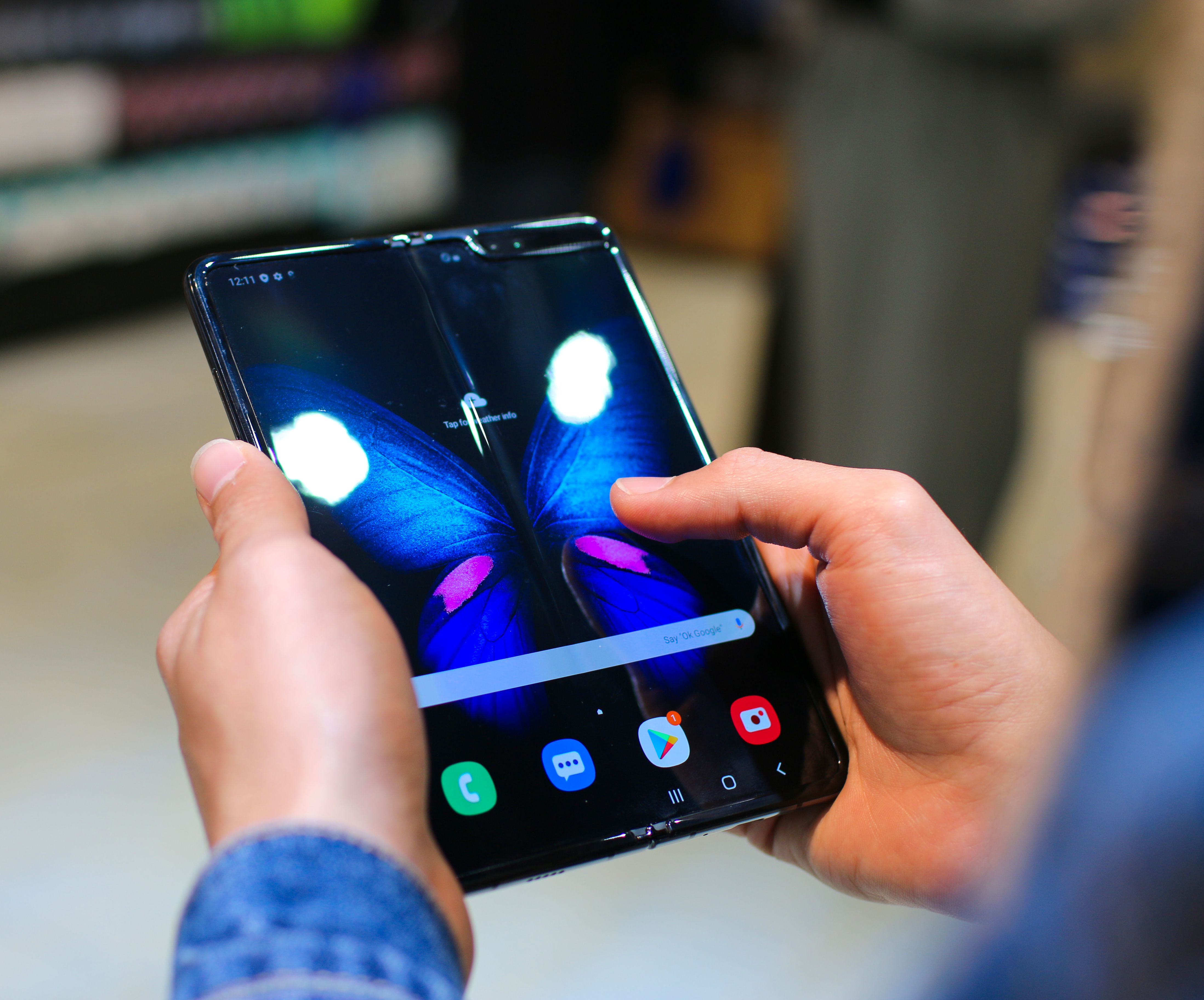
Samsung has been the dominant player in the foldable space since launching the original Galaxy Fold back in 2019. Seven generations later, the Galaxy Z Fold 7 represents arguably the biggest leap in the lineup's history.
What's Actually New
- Ultra-thin design: The Z Fold 7 measures just 9.2mm when folded — a dramatic reduction from the Z Fold 6's 12.1mm. Samsung achieved this by engineering a completely new hinge mechanism that uses fewer moving parts while maintaining rigidity.
- Seamless inner display: The infamous center crease has been reduced to the point where it's nearly imperceptible. Samsung's new "Flex Shield" display technology uses a layered ultra-thin glass (UTG) composite that distributes folding stress more evenly across the panel.
- S Pen integration: For the first time, the S Pen is housed inside the device itself, tucked into a slim silo reminiscent of the Galaxy Note series. This is something users have been requesting since the Z Fold 3 first introduced stylus support.
- Battery and performance: The Z Fold 7 ships with a 5,200mAh dual-cell battery and Qualcomm's Snapdragon 8 Elite Gen 2 processor, delivering roughly 18% better power efficiency compared to last year's model.
- Durability rating: Samsung now rates the Z Fold 7 for IPX8 water resistance and, for the first time, has added dust resistance with an IP5X rating — addressing one of the longest-standing concerns with foldable devices.
Software That Takes Advantage of the Form Factor
Samsung's One UI 8 introduces "Flex Mode 2.0," which allows virtually any app to intelligently split its interface when the phone is partially folded. Think of video calls where the top half shows the camera feed and the bottom half becomes a control panel, or recipe apps that display instructions up top and a timer below. It's a small thing, but it makes the foldable form factor feel intentional rather than gimmicky.
Apple's Foldable iPhone: The Long-Awaited Arrival
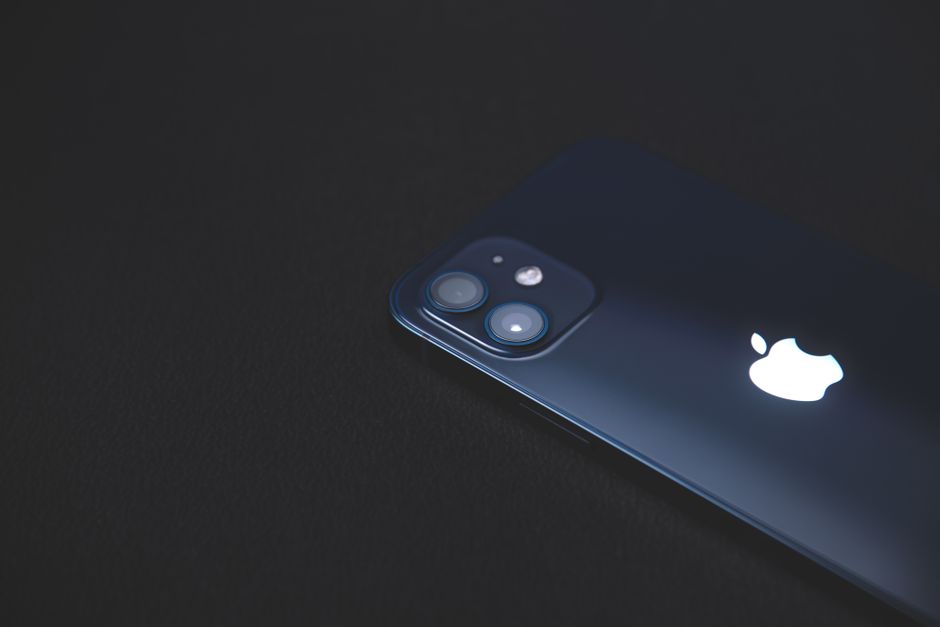
After years of patents, rumors, and supply chain leaks, Apple officially entered the foldable arena in early 2026 with a device widely referred to as the iPhone Fold. True to form, Apple didn't rush to be first — it waited until it could deliver a product that meets its own design and usability standards.

Key Features and Design Choices
- Book-fold design with a 7.9-inch inner display: Apple opted for a book-style fold similar to Samsung's approach, but the inner OLED panel uses Apple's proprietary "CeramicFlex" glass, which the company claims is twice as scratch-resistant as any foldable display currently on the market.
- Virtually invisible crease: Apple's hinge uses a waterdrop-style mechanism that creates a tighter bend radius, resulting in a crease that's genuinely hard to detect even under direct light.
- Seamless iOS integration: Unlike Android foldables, which have sometimes struggled with app optimization, Apple leveraged its tight developer ecosystem to ensure that all major App Store apps scale properly for the larger inner screen from day one. iPadOS-style multitasking — including Stage Manager — comes built in.
- Apple Intelligence on the big screen: Apple's on-device AI suite gets a major boost on the Fold. The larger display allows for side-by-side AI-powered workflows, like drafting an email with AI suggestions on one half while referencing a document on the other.
- Thickness and weight: At 9.5mm folded and 230 grams, it's competitive with Samsung's offering, though slightly thicker and heavier.
The Price Question
Apple's foldable launches at $1,799, positioning it as a premium device even by foldable standards. Samsung's Z Fold 7, by comparison, starts at $1,599 — a $200 price drop from the Z Fold 6's launch price. According to IDC, global foldable shipments reached about 19.8 million units in 2025, up 6% year over year — and IDC forecasts that to accelerate to 30% growth in 2026, with Apple entering the category and Samsung cutting prices as the two drivers.
Head-to-Head: Samsung vs. Apple Foldable
Here's a quick comparison for anyone weighing the two options:
| Feature | Samsung Galaxy Z Fold 7 | Apple iPhone Fold | |---|---|---| | Inner Display | 7.6" Dynamic AMOLED | 7.9" OLED CeramicFlex | | Folded Thickness | 9.2mm | 9.5mm | | Crease Visibility | Minimal | Near-invisible | | Stylus Support | Yes (built-in S Pen) | No | | Dust/Water Resistance | IP5X/IPX8 | IP6X/IPX8 | | Starting Price | $1,599 | $1,799 | | OS | One UI 8 (Android 16) | iOS 19 with Stage Manager |
Why You Should Actually Care This Time
If you've been dismissing foldables as fragile, expensive novelties, 2026 is the year to reassess. Here's why these redesigns matter beyond the spec sheets:
- Durability has caught up. Early foldables felt like prototypes. The current generation — from both Samsung and Apple — can genuinely handle daily life, including dust, water, and the occasional pocket-key encounter.
- The app ecosystem is ready. Android 16's foldable-optimized APIs and Apple's first-party app scaling mean you're no longer stuck with stretched-out phone apps on a tablet-sized screen.
- Productivity gains are real. If you regularly multitask on your phone — managing emails, documents, messaging, and calendars — a foldable gives you meaningfully more usable screen space without carrying a separate tablet.
- Prices are trending downward. Samsung's price cut signals a shift toward accessibility. Expect mid-range foldables from other manufacturers (including Google and OnePlus) to push prices even lower throughout 2026.
Practical Advice: Is a Foldable Right for You?
Before you pre-order, ask yourself a few honest questions:
Read also
The Best Free Productivity Apps- Do you actually need more screen space on the go? If you mostly use your phone for calls, texts, and social media scrolling, a traditional flagship might serve you just as well at a lower price.
- Are you comfortable with a learning curve? Foldables require some adjustment — from how you hold the device to how you manage apps in split-screen mode.
- What's your upgrade cycle? If you keep phones for 3-4 years, the improved durability of 2026 foldables makes them a much safer investment than models from even two years ago.
The Bottom Line
Samsung's Z Fold 7 and Apple's iPhone Fold aren't just new phones — they represent a genuine inflection point for the category. Samsung brings maturity, versatility, and a lower price tag, while Apple delivers the polish, ecosystem integration, and display quality its fans expect. Competition between these two will only accelerate innovation and drive prices down further.
If you've been sitting on the foldable fence, 2026 just gave you two very compelling reasons to jump off.