How to Get Better at Competitive Gaming Without Spending Money on Gear
A $300 mouse won't make you a better player. These free and low-cost approaches to skill improvement will actually move the needle.

June 29, 2026
The gaming peripheral industry has a vested interest in convincing you that improvement comes from hardware. Better mouse, better headset, better monitor — the advertising message is consistent: the right gear unlocks your potential. The truth, backed by how actual professional players develop, is less convenient but more useful: gear matters far less than fundamentals, and fundamentals are free to develop.
Here's how to actually get better.
The Fundamentals That Matter More Than Hardware
Aim is a skill, not a hardware problem. Professional players have won tournaments on modest equipment. What separates high-ranked players from average ones is not click latency or sensor polling rate — it's the consistency and intentionality of their practice.
Free aim trainers like Aim Lab and KovaaK's (KovaaK's has a one-time cost, Aim Lab is free) allow you to practice specific mechanics in isolation. Spend 20-30 minutes per session on:
- Tracking — following a moving target smoothly
- Flicking — quickly snapping to a target that appears at a random position
- Micro-adjustments — fine corrections to land headshots on stationary targets
Two weeks of consistent aim trainer practice produces measurable results. This is documented across multiple studies of first-person shooter improvement curves.
Game sense is worth more than raw aim. In most competitive games, positioning, rotation timing, resource management, and decision-making account for a larger percentage of outcomes than mechanical skill. A player who is always in the right place wins fights before they start. Aim gets you kills; game sense gets you wins.
How to Study Your Own Gameplay
Recording and reviewing your own gameplay is the single highest-return investment of time in competitive gaming. Every major platform offers replay functionality:
- Valorant, CS2: Built-in replay viewer
- League of Legends, Dota 2: Replay file system
- Overwatch 2: Replay viewer with free-cam
- Apex Legends: Third-party tools via PC capture
When reviewing replays, don't watch the moments where you performed well — watch the moments where you died or lost a key fight. Ask:
- Where was I positioned when this happened?
- What information did I have, and what did I do with it?
- What would a better player have done differently?
One hour of focused replay review weekly is more valuable than five hours of additional playtime.
The Role of Mental Game
Competitive gaming's dirty secret is that mental performance accounts for a disproportionate amount of variance in outcomes. Tilt — the emotional state of frustration that degrades decision-making — is the biggest skill gap most players need to close.
Research in sports psychology (which applies directly to esports) identifies several effective techniques:
Between-game reset rituals: Take exactly two minutes between matches. Stand up, stretch, drink water, and deliberately let go of the previous game. Players who develop consistent reset rituals show lower tilt rates and better performance consistency.
Controllable-only focus: Before each game, identify two or three things entirely within your control — not outcomes, but behaviors. "I will communicate crisply on voice comms." "I will check the minimap every ten seconds." Focusing on controllables rather than outcomes reduces frustration and paradoxically improves results.
Variance acceptance: Understand that competitive games have inherent randomness. A teammate who disconnects, a bullet that should have hit, a drop in frame rate at the wrong moment — these are noise in the signal. Players who accept variance without emotional reaction improve faster than those who fight it.
Free Resources for Game-Specific Improvement
Every major competitive game has a community that produces free improvement content. These are the highest-quality sources for common competitive titles:

Valorant: ProGuides Valorant YouTube channel; Valorant subreddit coaching thread
CS2: HLTV.org for professional match demos; Leetify (free tier) for performance tracking
League of Legends: ProBuilds for current professional builds; MobaFire for champion-specific guides
Apex Legends: TSM ImperialHal VODs on YouTube — watching high-level play with commentary develops game sense faster than most alternatives
Dota 2: Purge Gamers YouTube channel — the most comprehensive Dota education available, entirely free
What Gear Actually Matters (and What Doesn't)
For completeness, here's an honest assessment of hardware:
Matters meaningfully:
- Monitor refresh rate: 60hz vs 144hz is a genuine skill factor in fast-paced shooters. 144hz is the target; 240hz provides marginal returns
- Mouse precision: Any modern gaming mouse under $40 performs at a high level. The gains above $40 are real but small
Matters less than marketed:
- DPI settings: Most professionals use 400-800 DPI with high in-game sensitivity; raw DPI is irrelevant above a threshold
- Headset price: Audio positional accuracy matters; you don't need to spend $200 to get it
- Mechanical keyboard switches: The difference between switch types matters far more in feel than in performance
Essentially irrelevant:
- Mouse weight: Within a reasonable range (60-100g), weight is preference, not performance
- RGB lighting: Aesthetics only
- Desk mats over $30: The surface matters; the price does not
Building a Practice Schedule That Works
Unstructured playtime is the least efficient way to improve. A structured approach:
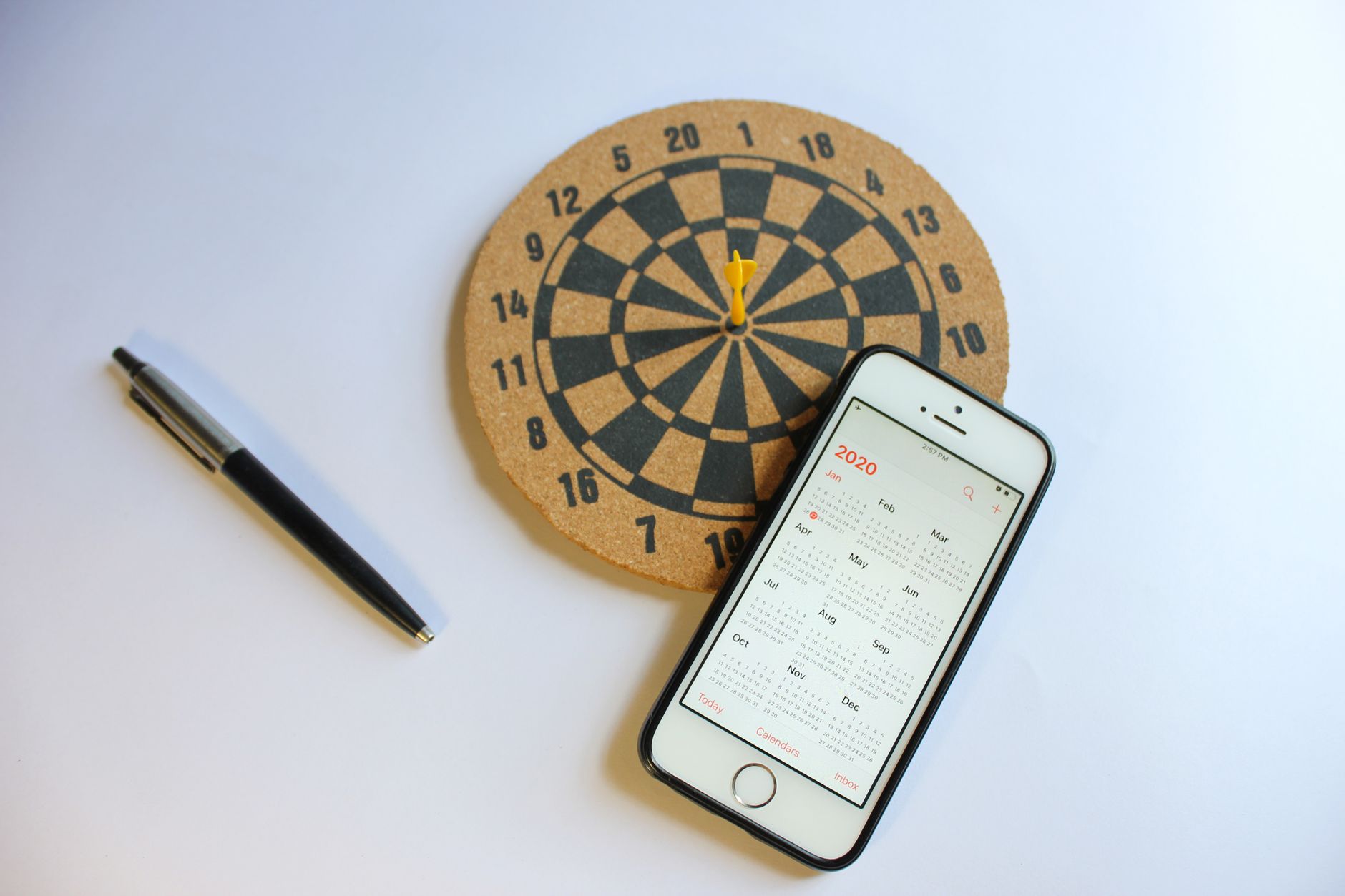
- 20-30 minutes: Aim trainer warm-up before playing
- 90 minutes: Focused play — actively thinking about one specific skill, not just playing
- 20 minutes: Replay review of one lost game
Three hours total, structured. This beats five hours of mindless queue.
The most important variable isn't time invested — it's intentionality. Players who actively think about what they're doing wrong and what they're trying to fix improve at dramatically faster rates than those who simply accumulate hours.
The Bottom Line
Better gear has diminishing returns after a certain baseline. The investments that actually move the needle — aim trainer practice, VOD review, mental game management, and structured improvement — cost nothing beyond time.
The players climbing the ladder in 2026 aren't the ones with the most expensive peripherals. They're the ones who take the game seriously enough to study it.