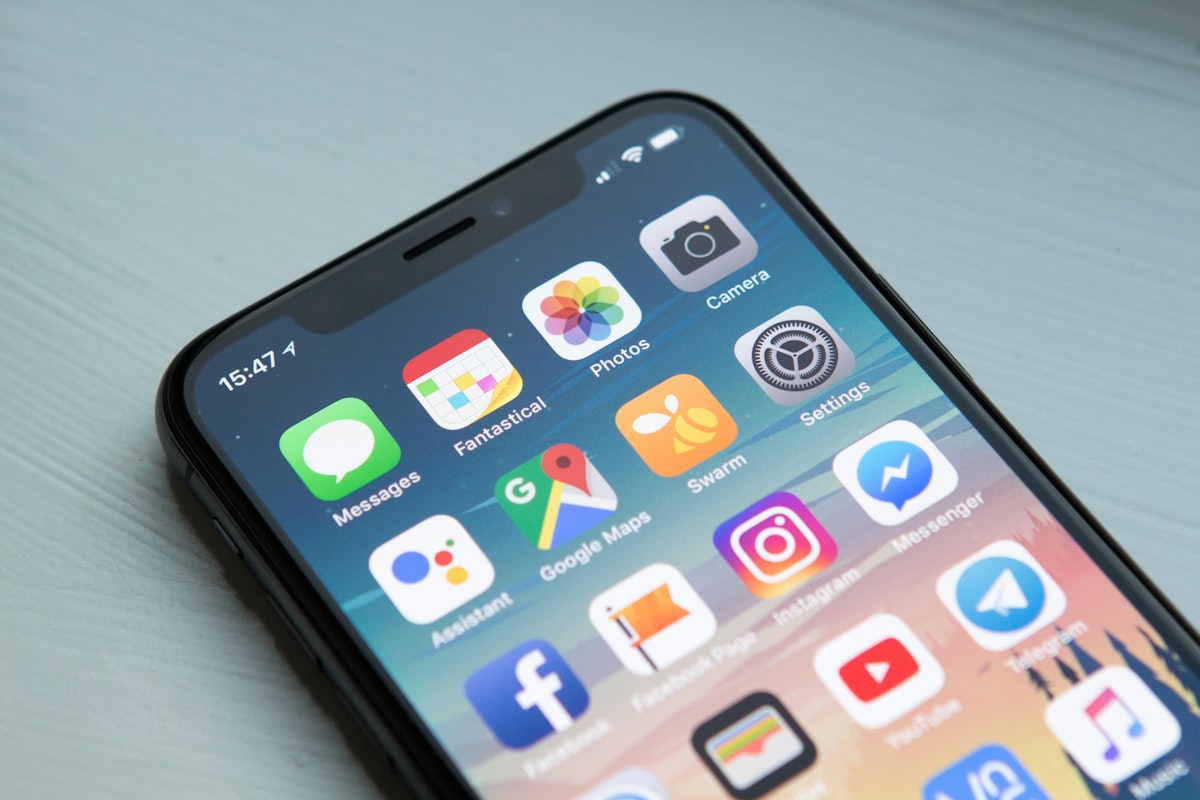
You're chatting with a friend about needing new running shoes. Minutes later, ads for athletic footwear flood your social media feed. Coincidence? Many people have experienced this unsettling phenomenon, sparking widespread concern about whether their phones are secretly listening to private conversations. The truth is nuanced, and understanding the real mechanisms behind targeted advertising can help you take meaningful steps to protect your privacy.
The Short Answer: Your Phone Isn't Recording Conversations (Mostly)
Let's address the elephant in the room: your phone probably isn't actively recording your conversations. However, this doesn't mean your privacy concerns are unfounded. The reality is more complicated and, in some ways, more invasive than simple audio recording.
Tech companies have little incentive to constantly record every conversation. Recording, storing, and processing massive amounts of audio data would require enormous server capacity and would drain battery life significantly. It would also expose companies to massive legal liability. Instead, companies use more sophisticated methods to track your interests and behaviors—methods that feel invasive but operate within legal gray areas.
How Your Phone Actually Tracks You
Microphone Access and Voice Assistants
While your phone isn't secretly recording conversations, apps do request microphone access for legitimate purposes:

- Voice assistants (Siri, Google Assistant, Alexa) are always listening for wake words
- Social media apps often request microphone access for video calls and voice messages
- Fitness apps might use audio to count your steps or monitor your workout
The key issue? Many apps request microphone access even when they don't need it. A flashlight app shouldn't need your microphone, yet some do. Always check which apps have microphone permissions in your phone's settings.
The Real Culprit: Data Mining and Behavioral Tracking
According to a 2023 study by the Stanford Internet Observatory, the primary method companies use to target you isn't audio recording—it's behavioral data collection. Your phone tracks:
Read also
What Is VPN and Do You Really Need One- Your location throughout the day
- Websites you visit and how long you spend on them
- Search queries you perform
- Apps you use and when you use them
- Purchase history and payment information
- Device identifiers that follow you across platforms
This data paints a detailed picture of your interests without needing to record a single conversation.
Why You Feel Like You're Being Listened To
The Baader-Meinhof Phenomenon
The sensation that your phone is listening often stems from the Baader-Meinhof Phenomenon (also called frequency illusion). When you think about something, you suddenly notice it everywhere. You mention shoes, then see shoe ads—not because your phone recorded you, but because your attention is now primed to notice shoe-related content.
Contextual Targeting at Work
Here's what's actually happening behind the scenes:
Real Example: You visit three sporting goods websites using your browser. Your IP address, device ID, and browsing history are captured by tracking pixels. Facebook, Google, and other ad networks note your interest in athletic gear. Weeks later, you see relevant ads because companies have built a profile of your interests—not because they heard your conversation.
The Psychology of Targeted Ads
Companies spend billions understanding consumer psychology. They know:
- When you're most susceptible to purchasing
- Which emotions trigger spending
- What phrases resonate with specific demographics
- How to create urgency and FOMO
The combination of this knowledge with your behavioral data creates eerily accurate advertising that feels like mind-reading.
What Apps Actually Have Permission to Access
Check your phone's privacy settings right now. Most users are shocked by what they find. Here's what to look for:

On iPhone:
- Go to Settings > Privacy & Security
- Review Microphone, Camera, Location, and Contacts
- Remove access from apps that don't need it
On Android:
- Open Settings > Apps > Permissions
- Check Microphone, Camera, Location, and Phone
- Disable unnecessary permissions
Common Culprits
- Social media apps frequently request excessive permissions
- "Free" games often request location, contacts, and microphone access
- Flashlights and utility apps have no legitimate need for microphone access
- Dating apps may track your location even when closed
Practical Steps to Protect Your Privacy
1. Audit Your App Permissions (Take 30 Minutes)
Go through each app on your phone and ask: "Why does this app need access to my microphone, camera, or location?" Revoke any permissions that seem unnecessary.
2. Use Your Phone's Built-In Privacy Features
iPhone users:
- Enable "App Privacy Report" to see which apps access sensitive data
- Use App Tracking Transparency to limit ad tracking
- Enable "Limit Ad Tracking"
Android users:
- Enable "Privacy Dashboard" to monitor app permissions
- Use "Opt out of Ads Personalization"
- Review location history and delete it regularly
3. Disable Always-On Microphones
You can disable voice assistant activation:
- iPhone: Settings > Siri & Search > toggle off "Listen for 'Hey Siri'"
- Android: Google Assistant > Settings > Voice Match > toggle off
4. Use a VPN for Browsing
A Virtual Private Network masks your IP address and browsing activity from ISPs and tracking networks. Consider:
- ProtonVPN
- Mullvad
- Windscribe
5. Enable Two-Factor Authentication
Protect your accounts from unauthorized access:
- Use authenticator apps rather than SMS when possible
- Enable 2FA on email, social media, and financial accounts
- Review login activity regularly
6. Clear Tracking Data Regularly
- Clear browser cookies and cache weekly
- Delete location history from Google and Apple accounts
- Review connected apps that have access to your accounts
7. Be Skeptical About "Free" Services
If you're not paying for a service, you're the product. Facebook, Instagram, TikTok, and Google make money by selling your attention to advertisers. Understand this business model and adjust your expectations accordingly.
The Bigger Picture: Why This Matters
Your digital privacy isn't just about creepy ads—it has real implications:

- Insurance companies may use data to adjust rates
- Employers may conduct digital background checks
- Lenders may use behavioral data in credit decisions
- Political campaigns may target you with misinformation based on your profile
- Malicious actors may use leaked data for identity theft
Moving Forward
Your phone likely isn't listening to your conversations in the sci-fi sense, but it is collecting staggering amounts of data about your behavior, location, and interests. The good news? You have more control than you think.
Start with the practical steps outlined above. Audit your permissions, disable unnecessary access, and understand what data you're sharing. Privacy in the digital age requires active participation, but protecting yourself is entirely possible with awareness and action.
The question isn't really "Is my phone listening to me?" It's "What am I willing to share, and with whom?" Answer that honestly, and you'll be better equipped to protect your digital privacy.