Best Countries for Digital Nomads in 2026
More countries than ever offer digital nomad visas and remote-work-friendly infrastructure. Here are the top destinations combining affordability, connectivity, and quality of life.

April 13, 2026

The remote work revolution has permanently changed where people can live and work. Over 50 countries now offer some form of digital nomad or remote worker visa, and the infrastructure for location-independent work — co-working spaces, fast internet, vibrant communities — has improved dramatically in destinations worldwide.
Here are the top countries for digital nomads in 2026, weighted by internet quality, cost of living, visa accessibility, community size, and quality of life.
Portugal (Lisbon and Porto)
Portugal remains one of the most popular European nomad destinations, and for good reason: a 2-year Digital Nomad Visa (D8), safe environment, excellent infrastructure, English widely spoken, and access to all EU travel.
Lisbon has a thriving nomad community, excellent co-working spaces, and cafes with reliable Wi-Fi everywhere. Porto is smaller, slightly cheaper, and often preferred for a calmer pace. The cost of living is lower than most Western European capitals — a comfortable month in Lisbon including accommodation runs €1,800–€2,500.
Ideal for: European timezone workers, those seeking EU base, coffee lovers.
Thailand (Bangkok, Chiang Mai, Koh Lanta)
Thailand's combination of ultra-low cost (comfortable living on $1,000–$1,500/month), excellent food, reliable internet, and enormous nomad communities makes it perennially popular. Chiang Mai has been a nomad hub since before "digital nomad" was a common phrase — dozens of established co-working spaces, cheap but excellent accommodation, and a highly developed support ecosystem.

The LTR (Long-Term Resident) visa provides a 10-year stay for qualifying remote workers. Standard tourist visa options allow 30–60 days with straightforward extensions.
Ideal for: Asia timezone workers, budget-conscious nomads, community seekers.
Georgia (Tbilisi)
Georgia has emerged as one of the most compelling nomad destinations of the 2020s. The Remotely from Georgia program allows visa-free entry for citizens of 95 countries for up to 1 year. The cost of living is remarkably low even by Eastern European standards — excellent accommodation for $400–$600/month, restaurant meals for $3–$8.
Read also
Best Travel Credit Cards in 2026Tbilisi is vibrant, culturally rich, with a booming cafe and co-working scene, world-renowned wine, and extraordinary mountain landscapes within 2 hours.
Ideal for: Adventurous nomads, those seeking an undiscovered gem, wine enthusiasts.
Mexico (Mexico City, Oaxaca, Playa del Carmen)
Mexico offers a massive nomad ecosystem, US timezone accessibility (ideal for remote US workers), rich culture, extraordinary food, and no tax on foreign income not earned in Mexico. Mexico City's neighborhoods of Roma, Condesa, and Polanco have some of the best co-working infrastructure and nomad community in the world.
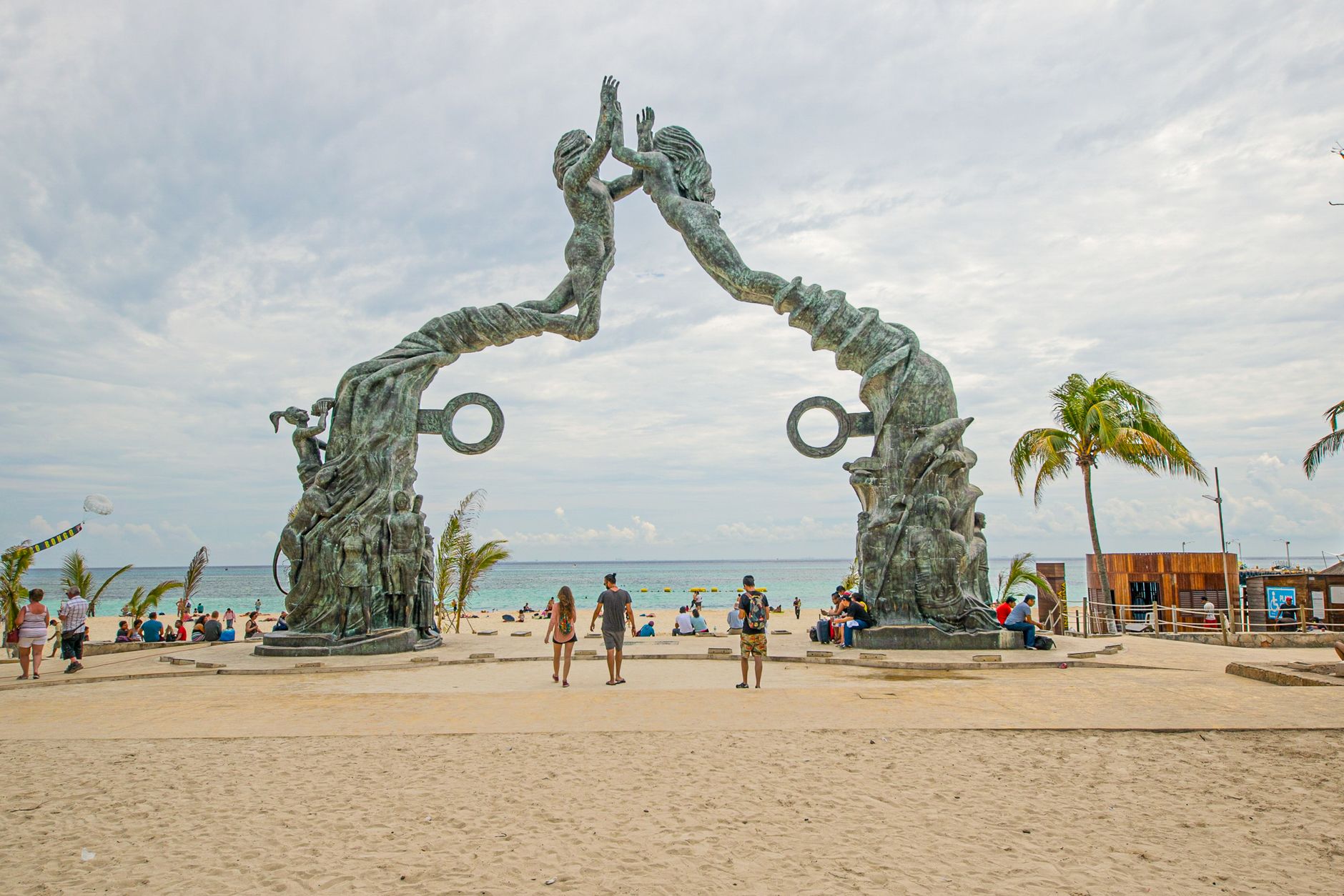
Visa: Citizens of most countries get 180 days on arrival. Long-term options include temporary resident visa.
Cost: $1,500–$2,500/month comfortable living in CDMX; cheaper in Oaxaca or smaller cities.
Ideal for: US-timezone remote workers, foodies, those wanting urban energy.
Bali (Indonesia)
Bali has built the most sophisticated nomad infrastructure in Southeast Asia, particularly in Canggu and Ubud. The Second Home Visa provides up to 5 years of legal residency for qualifying applicants.
The natural beauty, spiritual culture, excellent co-working spaces (Dojo, OUTPOST, Hubud), and community events make Bali unique. Cost of living: $1,200–$2,000/month for a comfortable lifestyle.
Caveat: Bali has faced overtourism pressure, particularly in Canggu. Some nomads have shifted to quieter spots like Ubud or the Gili Islands.
Ideal for: Those wanting tropical beauty and established community.
Estonia (Tallinn) — The Digital Pioneer
Estonia offers the world's most advanced e-residency program, allowing anyone to run an EU-registered company entirely online. Its Digital Nomad Visa allows 1-year stay for remote workers. Tallinn is a beautiful medieval city with excellent digital infrastructure (Estonia pioneered e-governance decades ago).
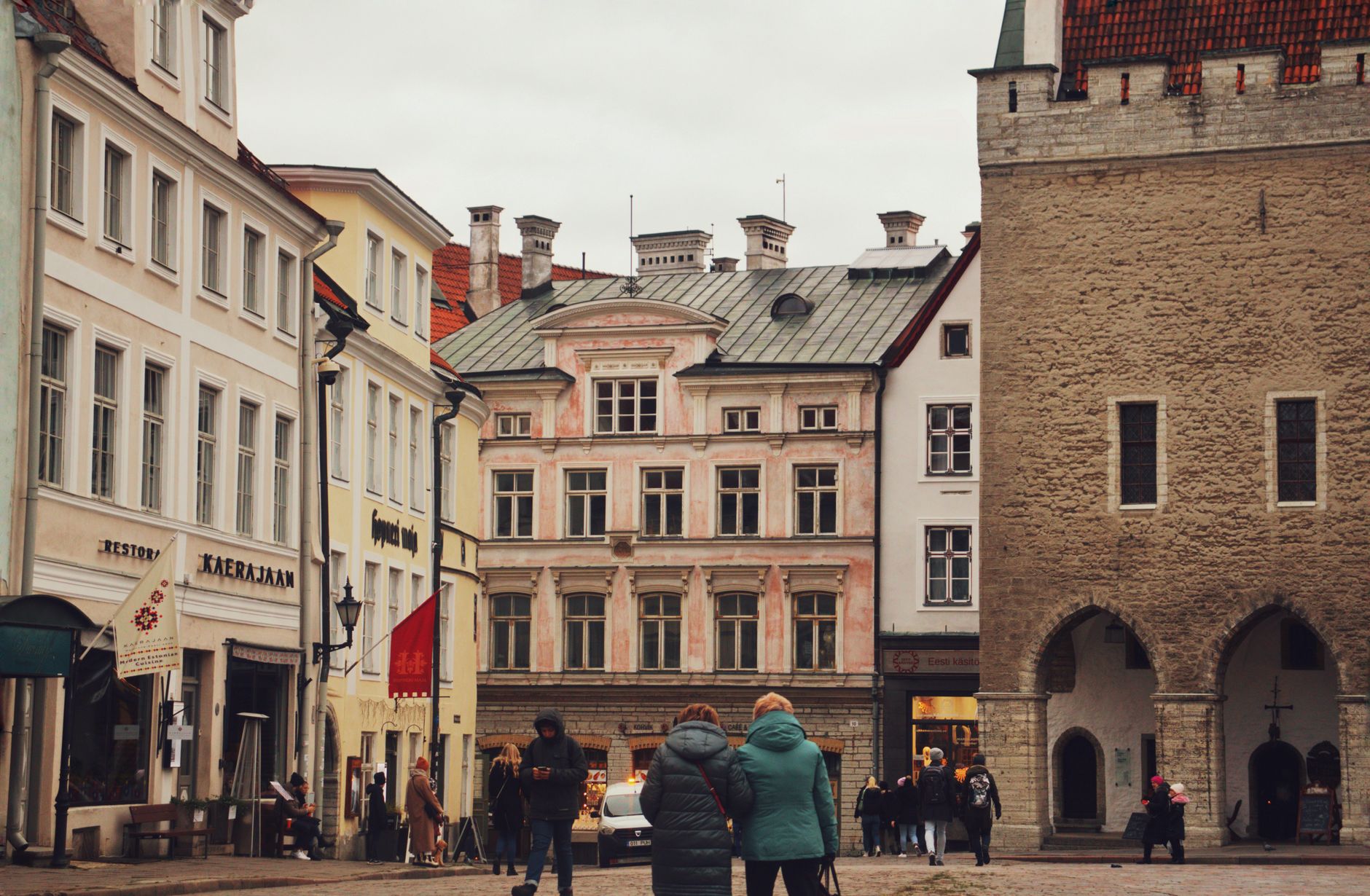
Cost is moderate by EU standards — significantly cheaper than Western Europe but higher than Asian destinations.
Ideal for: Business-minded nomads wanting EU company registration, tech workers.
Practical Nomad Considerations
Internet reliability: Always check Nomad List (nomads.com) for up-to-date internet speed reports. A minimum of 25 Mbps reliable connection handles most video calls.
Time zone alignment: Client or employer timezone matters enormously. Working US West Coast hours from Europe means 5pm–2am work windows — unsustainable long-term.
Health insurance: Standard travel insurance isn't sufficient for 3+ month stays. Safety Wing ($45/month) and Cigna Global are popular long-term nomad options.
Tax implications: Understand your home country's tax obligations for residents working abroad. In many cases, you remain liable for home country taxes regardless of where you live.
The best nomad destination is ultimately the one that fits your timezone, budget, preferred climate, and social preferences. Most successful nomads spend 2–3 months in each destination — long enough to develop routine and community, not so long that novelty fades.