How to Travel Europe on a Budget in 2026
Europe doesn't have to cost a fortune. With the right timing, tools, and mindset, you can explore the continent for $60–$80 a day — including accommodation.

May 30, 2026
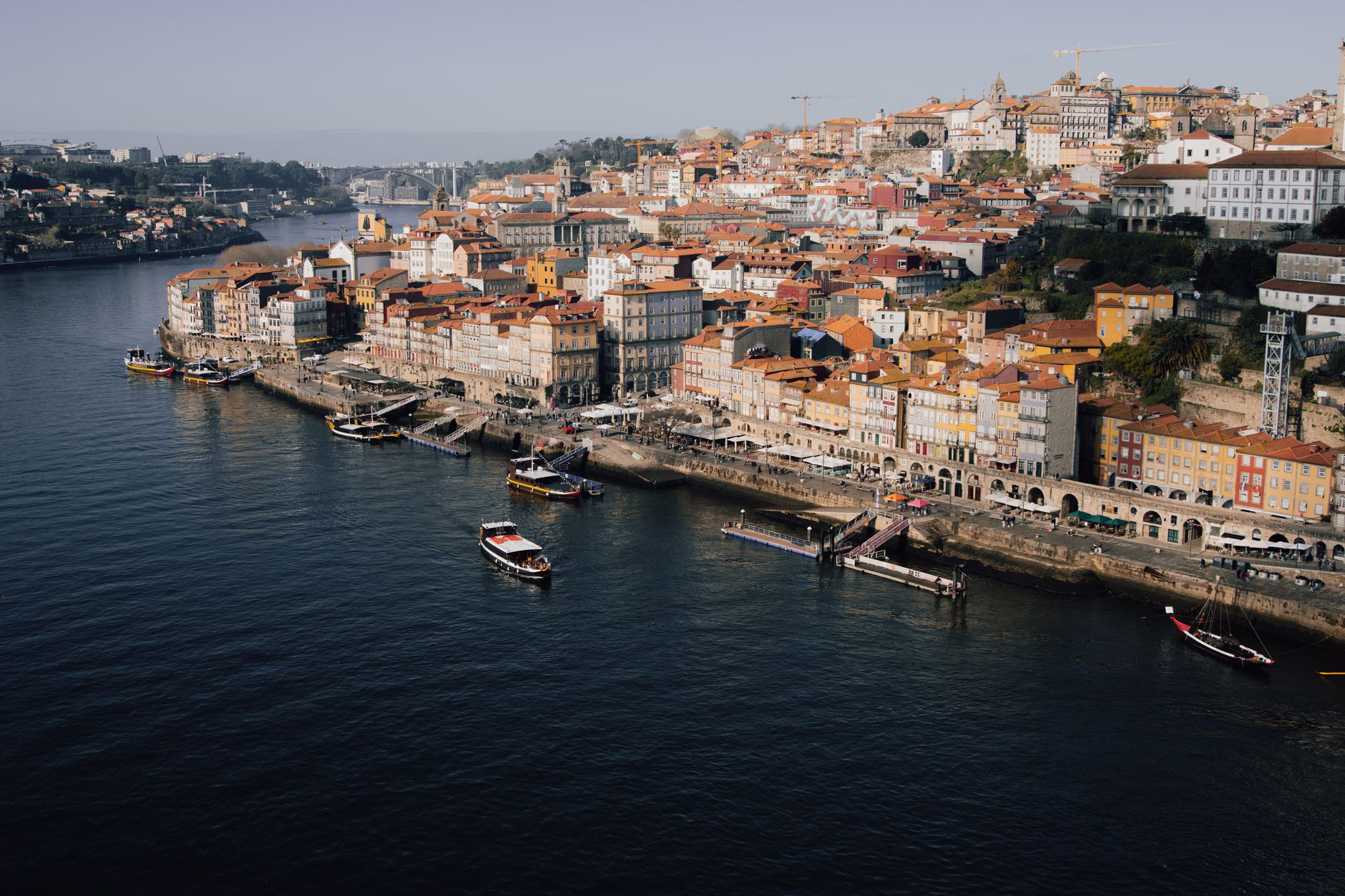
Europe has a reputation for being expensive, and if you travel carelessly it can be. Hotels in Paris, restaurants in Zurich, and taxis everywhere will drain a budget in days. But the version of Europe most travelers see — particularly budget travelers — is a different, arguably richer experience: hostel common rooms, local markets, night trains, cheap regional flights, and the neighborhoods that don't make it onto Instagram.
This guide is built from reality, not aspirational travel content. These are the strategies that actually work in 2026.
When to Go
Avoid July and August. Prices for flights and accommodation in peak summer season can be two to three times higher than shoulder season. The crowds are also brutal at major attractions — waiting 90 minutes to enter the Colosseum is a reasonable description of peak-season Rome.
April–May and September–October are the ideal windows. Weather in most of Europe is good (warm enough to enjoy outdoor cafés and sightsee comfortably), prices are significantly lower, and crowds at major sites are manageable.
November–March is genuinely cheap, particularly in southern Europe, but you sacrifice daylight hours and some outdoor experiences. Cities like Lisbon, Seville, and Palermo can be visited in winter for a fraction of summer prices and still offer excellent food, museums, and culture.
Flights
European budget airlines — Ryanair, Wizz Air, easyJet — have transformed continental travel. A flight from London to Lisbon, or Barcelona to Kraków, can cost €15–€40 booked 4–6 weeks in advance. These airlines use secondary airports and have strict baggage rules, but for short hops they are transformative.

Google Flights is the most reliable tool for finding cheap fares. Use the "Explore" feature to see prices across an entire month or to browse destinations from a given city when you're flexible.
For intercontinental flights into Europe, flying into secondary hubs like Dublin, Lisbon, or Budapest is often significantly cheaper than flying into Paris, London, or Amsterdam.
Transport Within Europe
Night trains. The European night train network has been expanding significantly since 2023, with new routes connecting Paris to Berlin, Vienna to Barcelona, and Amsterdam to Vienna. A night train is simultaneously your transport and your accommodation — you arrive in a new city in the morning having saved a night's hotel cost. Book directly with national rail operators or through Rail Europe.
Interrail/Eurail. For multi-country trips of 2–3 weeks, a rail pass can offer excellent value. Analyze your specific route first — sometimes individual tickets are cheaper, especially if booked in advance.
Buses. Flixbus connects hundreds of European cities at rock-bottom prices, often undercutting trains significantly. Comfort is decent; journey times are longer. For 4–6 hour routes, it's a legitimate budget option.
Accommodation
Hostels. A bed in a dormitory in most European cities costs €18–€35 per night. The quality of hostels has improved dramatically — many offer private rooms (often cheaper than budget hotels) as well as dorms. Booking.com, Hostelworld, and Beds24 are the main platforms.

Slow down. Weekly rates are dramatically cheaper than nightly rates. Spending two weeks in one city instead of one week in two cities halves your accommodation cost. The tradeoff — seeing fewer places — is often offset by seeing one place properly.
Housesitting and home exchange. Platforms like Trusted Housesitters and HomeExchange allow free accommodation in exchange for looking after someone's home or plants. Best for people with flexible schedules and at least two weeks in one location.
Food
Eat where locals eat. In most European cities, tourist-area restaurants charge two to three times the price of restaurants two blocks away. The tell: menus displayed outside with photos, hosts standing outside soliciting customers, and a location within 100m of a major attraction.
Markets. Every significant European city has at least one covered food market where local vendors sell prepared food. Barcelona's La Boqueria, Lisbon's Mercado da Ribeira, Vienna's Naschmarkt — you can eat extraordinarily well for €5–€10. This is where chefs shop and where the best cheap meals are found.
Lunch, not dinner. In Spain, France, and Italy, lunch menus (menú del día, plat du jour) are a standard cultural institution — a two-course meal with wine for €10–€15, served only at lunchtime. The same meal ordered at dinner as separate courses would cost three times as much.
Supermarkets. Mercadona (Spain), Lidl (everywhere), ALDI, and Biedronka (Poland) have excellent fresh produce, bread, and prepared foods at prices that let you eat well on €10–€15 per day.
Free and Low-Cost Activities
Most major European museums offer free entry on specific days:
- Paris: First Sunday of each month — Louvre, Musée d'Orsay, and others are free
- London: All major national museums are permanently free
- Rome: First Sunday of each month — Colosseum, Palatine Hill, Roman Forum are free
- Amsterdam: The Rijksmuseum is surprisingly affordable (€22.50), and many smaller museums are free or cheap
Walking tours — with a tip at the end — are available in virtually every city and provide excellent context and local knowledge. "Free tour" companies operate in most cities.
Realistic Daily Budget
| Budget level | Daily spend | Accommodation | |---|---|---| | Backpacker | €45–€60 | Hostel dorm | | Comfortable budget | €70–€90 | Budget private room | | Mid-range | €120–€160 | 3-star hotel |
These figures exclude intercontinental flights but include local transport, food, activities, and accommodation.