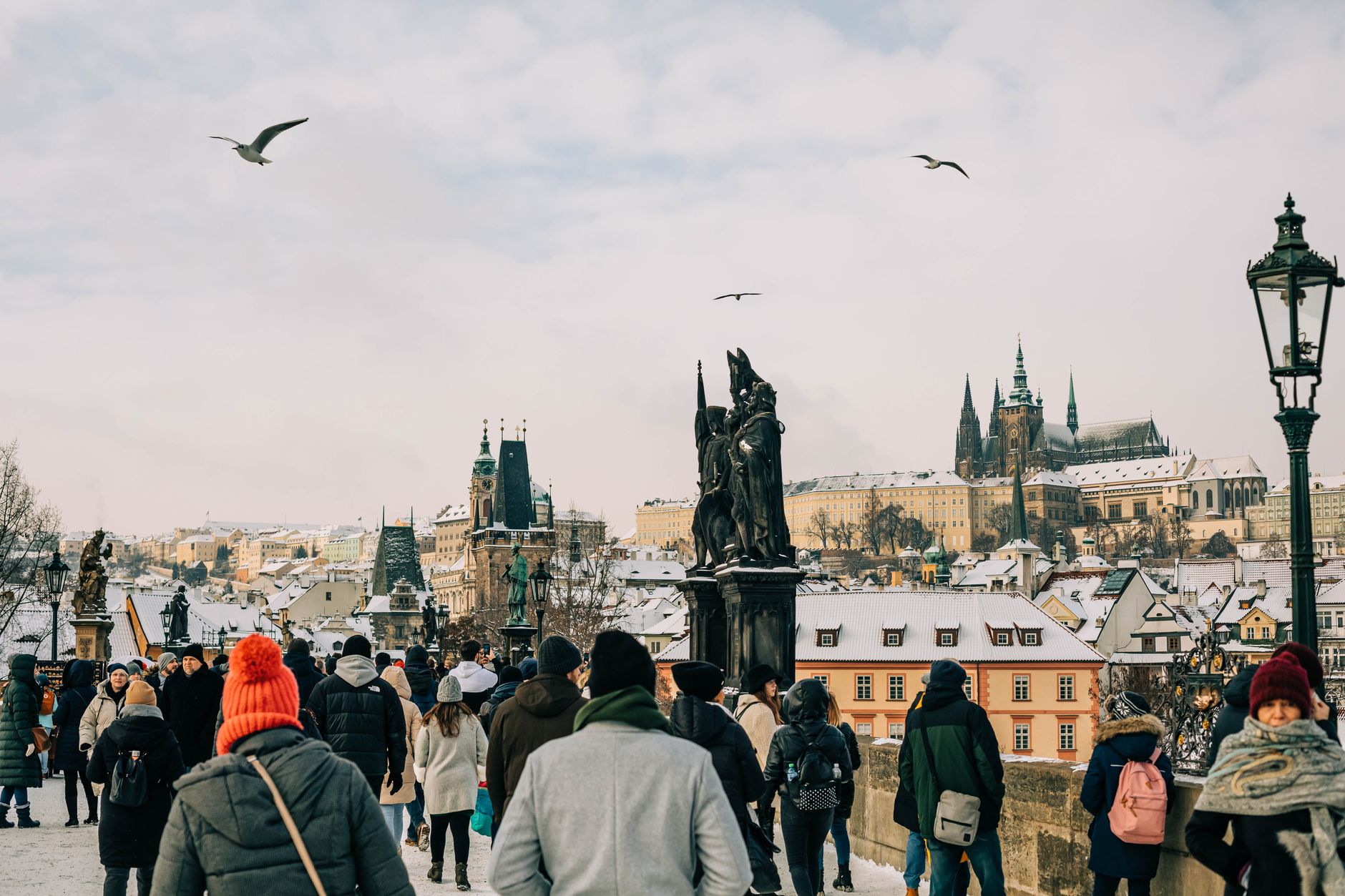
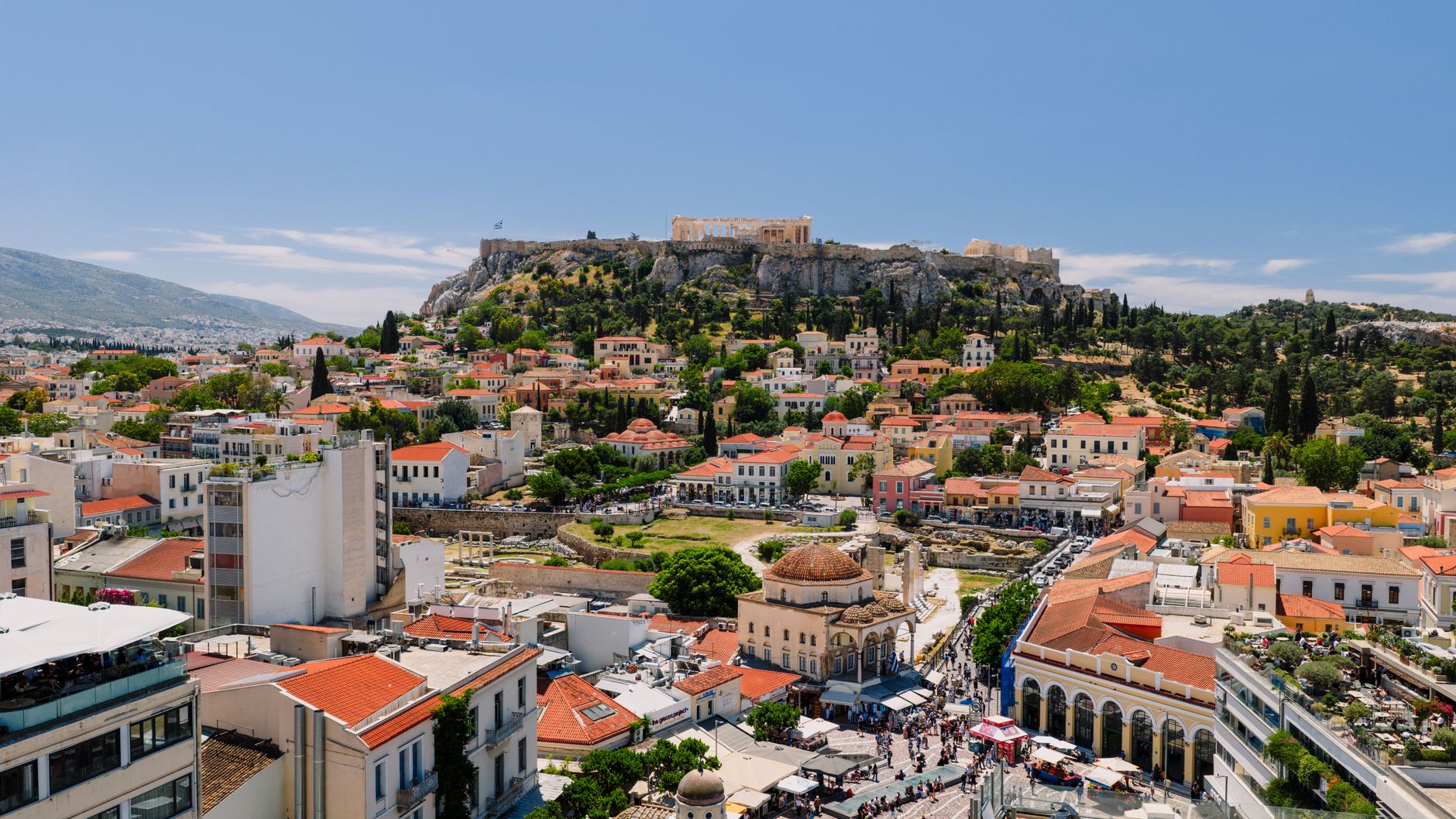
The Best Underrated European Cities to Visit in 2026 (Before Everyone Else Does)
Skip the overcrowded tourist traps. These under-the-radar European cities offer world-class culture, food, and charm — without the Barcelona-level crowds and prices.

June 21, 2026
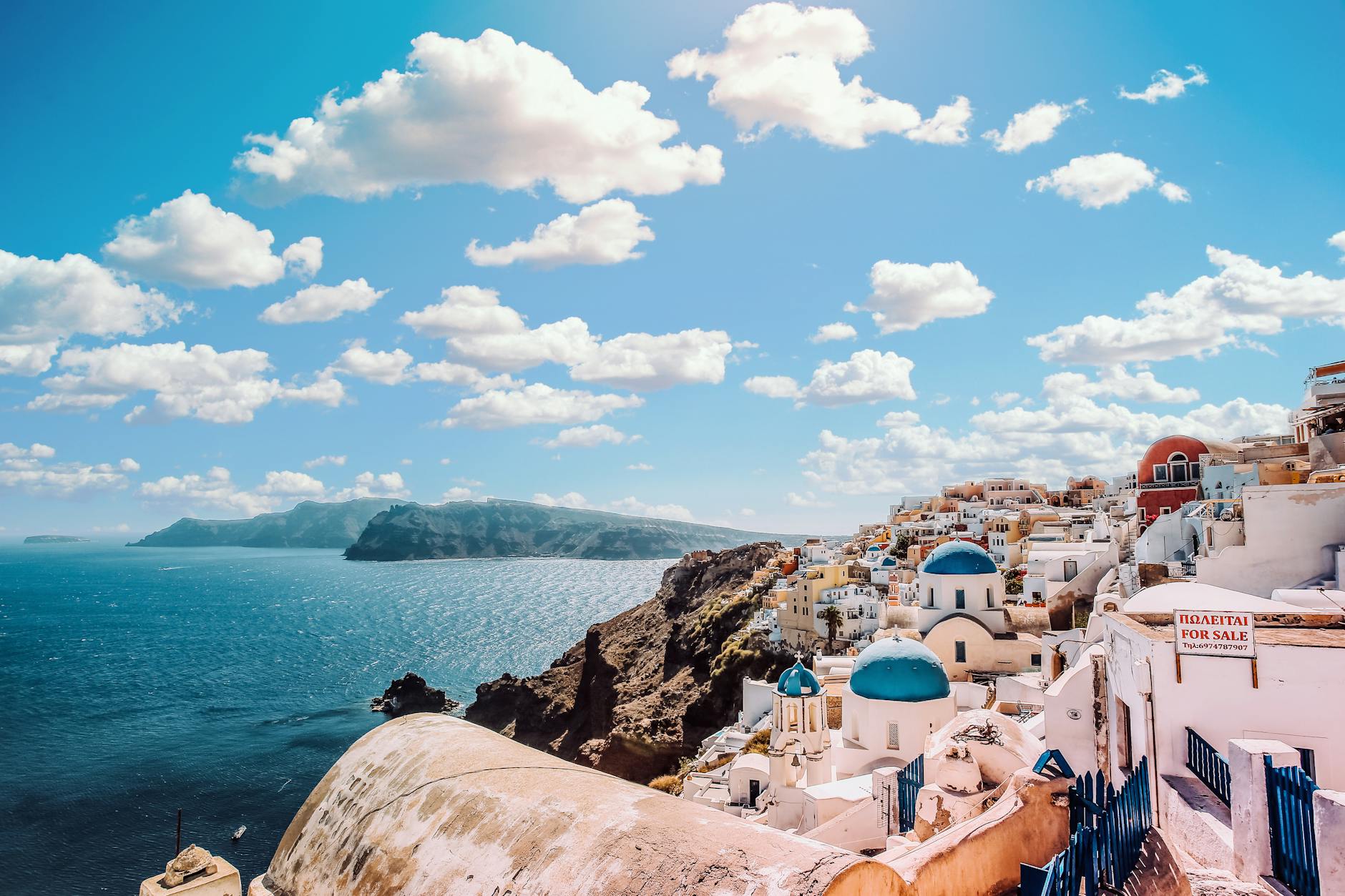
Europe's famous cities are famous for a reason. The Louvre is genuinely extraordinary. The Sagrada Família will stop your breath. The Amalfi Coast is everything. But increasingly, these destinations are victims of their own success — overtourism has turned parts of Venice, Barcelona, and Amsterdam into crowded, expensive, tourist-infrastructure-heavy environments that can feel more like a theme park than a real place.
The travelers who come back with the best stories in 2026 are going somewhere else. Here are the cities that deserve their spot on your list — places that offer world-class experiences with a fraction of the crowds.
Ljubljana, Slovenia
Ljubljana (pronounced "lyoo-BLEE-ah-nah") is one of Europe's most liveable and genuinely charming capitals, and almost nobody goes there. A population of just 300,000 keeps it walkable and human-scale, but it punches well above its weight on culture, food, and architectural beauty.
The old town, draped between a medieval castle hill and the Ljubljanica River, is one of Europe's most coherent historic centers. Plečnik's Bridges — three bridges converging into a single pedestrian plaza — are a design achievement worth making the trip for alone.
The food scene is extraordinary: Slovenia produces exceptional wine (particularly white wines from the Vipava and Goriška Brda regions), and the restaurant scene in 2026 includes more Michelin-starred chefs per capita than most major European cities. Budget travelers do equally well — cheap but excellent food is abundant.
Getting there: direct flights from major European hubs, or a scenic 2-hour train from Vienna. A week's budget: comparable to Budapest, about 40% cheaper than Prague.
Read also
How to Travel Europe on a Budget in 2026Porto, Portugal
Yes, Porto has gotten more popular. But it's on this list because it still delivers far more value and authenticity than Lisbon, which now rivals Paris and Amsterdam on prices and tourist density.

Porto is a working port city with a gritty, specific soul. The Ribeira district along the Douro River is genuinely beautiful without being sanitized. The wine caves at Vila Nova de Gaia offer tasting experiences that would cost triple in Champagne or Bordeaux. And the food — especially at the mercados and tascas away from the waterfront — remains some of the best-value serious eating in Western Europe.
The tram system is slow but atmospheric. The bookstore (Livraria Lello) has a line, but it's worth it. The beaches 20 minutes by metro are excellent and not at all touristy.
Go between October and April to avoid summer crowds entirely and get shoulder-season prices.
Thessaloniki, Greece
While Athens has recovered its tourist traffic and now requires real planning, Thessaloniki — Greece's second city — remains almost entirely off the international tourist radar.
This is bizarre, because Thessaloniki might be the best food city in Greece. It has a distinct culinary tradition rooted in the Ottoman and Jewish influences of its complicated 20th-century history. Bougatsa, koulouri, gyros, and an entire culture of kafeneia (traditional coffeehouses) make it a food destination in its own right.
The Byzantine heritage is extraordinary: 15 UNESCO-listed monuments, including churches with mosaics that rival those in Ravenna or Istanbul. The White Tower at the waterfront is one of the most underrated iconic landmarks in Europe.
Accommodation and food run about 40% cheaper than Athens.
Ghent, Belgium
Bruges gets all the attention. Ghent gets all the atmosphere.
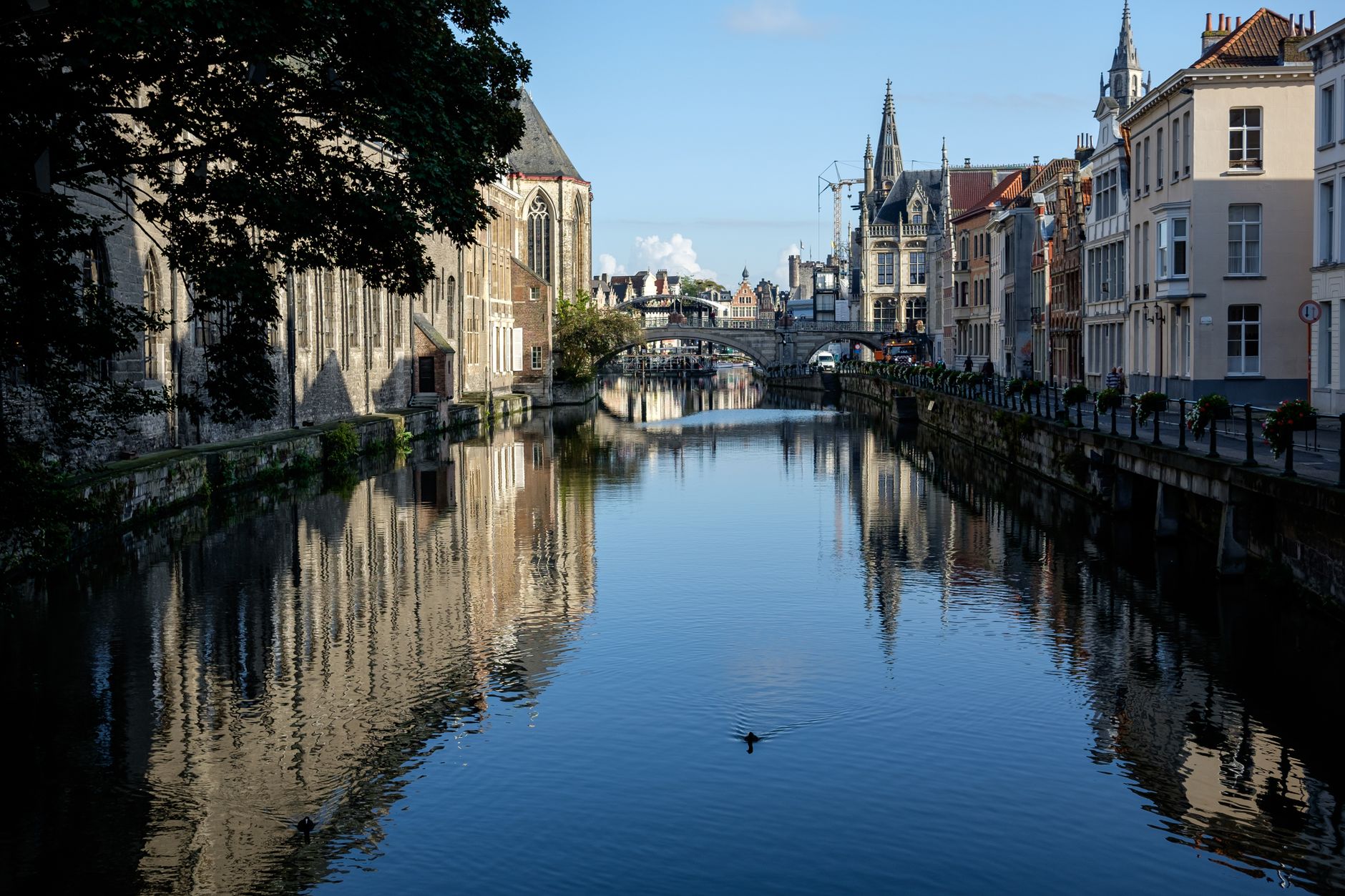
While Bruges is genuinely lovely, its compact medieval center can feel like an open-air museum in peak season. Ghent is a real city — home to a major university, an active arts scene, and a medieval core that's equally beautiful but five times more alive.
The Graslei and Korenlei waterways are postcard-perfect without postcard crowds. Gravensteen castle sits in the middle of the city center like something from a fairytale. The street art and café culture are excellent — Ghent consistently ranks among the best cities for vegetarian and vegan food in Europe (weird but true).
It's 30 minutes from Brussels by train and deserves 2–3 nights of anyone's Belgium itinerary.
Kotor, Montenegro
For coastal drama, nothing in the Mediterranean matches the Bay of Kotor — a fjord-like inlet surrounded by limestone mountains, dotted with Venetian towns, and largely unknown outside serious European travelers.
Kotor itself is a perfectly preserved medieval walled city, listed as a UNESCO World Heritage Site, which still functions as a real town with local restaurants and residents rather than a tourist consumption machine. The walls climb 1,350 steps up the mountain behind the city to a fortress with one of the best views in Europe.
The surrounding coast — Perast, Prčanj, Tivat — offers a quieter version of the Croatian coast at half the price, with none of the Game of Thrones crowds in Dubrovnik.
Getting there has improved significantly in 2026 with expanded routes through Tivat airport. The Adriatic coastal highway from Dubrovnik to Kotor is one of the great drives in Europe.
Kraków, Poland
Kraków has been on the "hidden gem" list for a while, but it genuinely warrants its continued presence. While Warsaw has developed into an expensive, trendy city, Kraków remains one of Europe's most affordable major destinations with one of its finest historic centers.
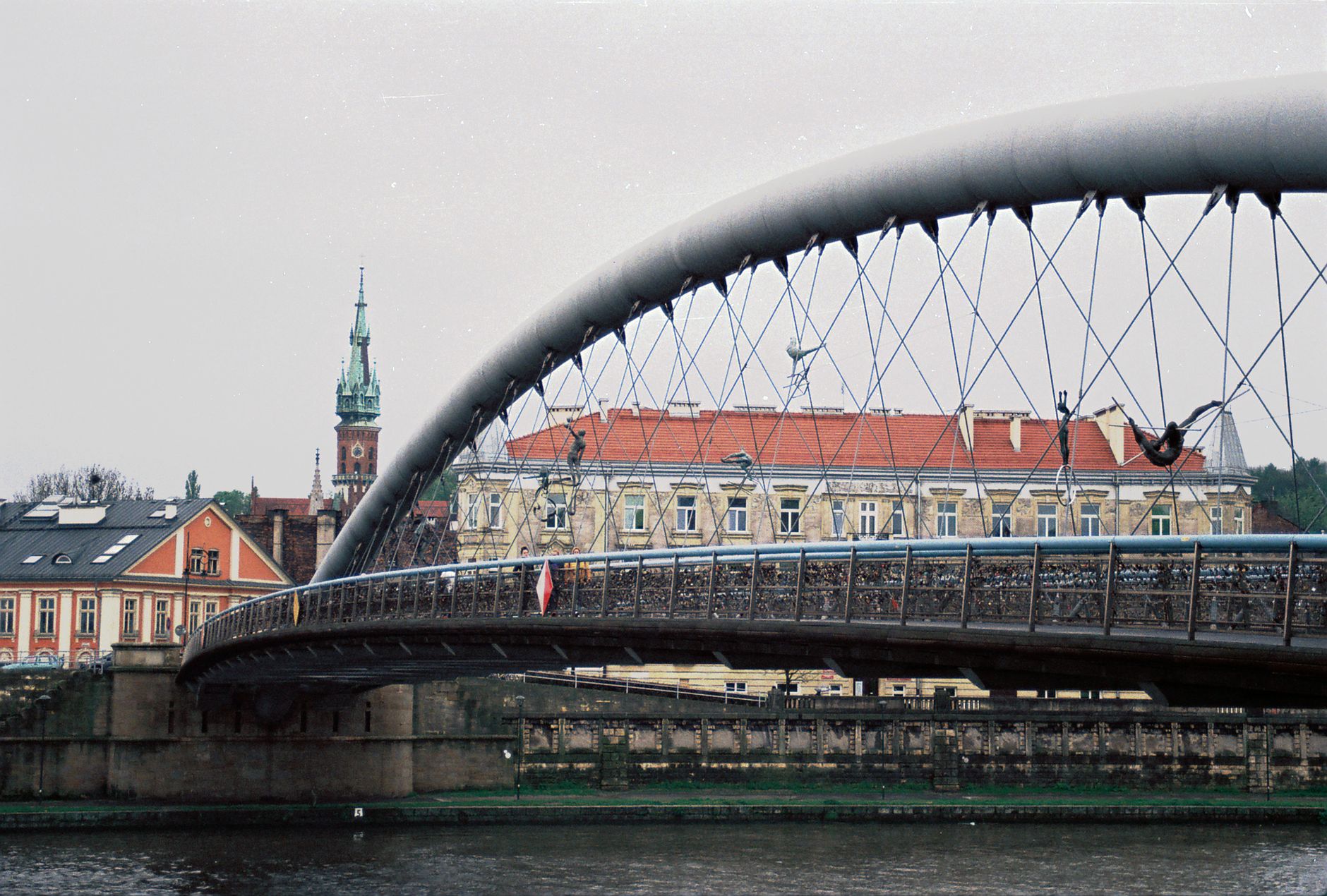
The market square (Rynek Główny) is the largest medieval market square in Europe and still feels genuinely alive — not performatively preserved. The Wawel Castle complex is one of the great Central European royal residences. Kazimierz, the historic Jewish quarter, has evolved into one of the best neighborhoods in Europe for bars, restaurants, and independent shops.
Auschwitz-Birkenau, 75 minutes away by bus, is a visit every person of conscience should make. The experience is sobering in ways that words can't fully capture.
Budget: roughly 50% of equivalent Western European cities.
How to Find Your Own Hidden Gems
The pattern across all these cities: skip the airport transfer, walk immediately to a residential neighborhood, and eat where locals eat on a Tuesday. Ask the hotel desk what they actually like — not what's on the tourist list. Take the regional train to somewhere smaller nearby.
The travelers who have the richest experiences aren't finding secret destinations no one has heard of. They're approaching well-known places with enough curiosity and patience to find what's real.