The Most Underrated European Cities to Visit Before Everyone Else Does
Skip the crowded tourist traps. These lesser-known European cities offer world-class food, stunning architecture, and authentic culture — without the queues.

June 24, 2026
Every summer, millions of tourists descend on the same dozen European cities. The Colosseum. The Eiffel Tower. The canals of Venice. And every summer, they return home with photos that look identical to everyone else's, memories shadowed by crowds, and a nagging sense that they missed something.
The Europe worth discovering isn't hidden — it's just slightly off the spreadsheet that everyone's using. These cities are connected to major airports, have excellent food scenes, genuinely interesting histories, and a fraction of the visitors that their more famous neighbors receive.
Porto, Portugal — But Deeper Than the Instagrammable Parts
Porto has started to appear on "underrated" lists, which means it's no longer fully underrated. But most visitors stick to Ribeira, taste the port wine, and leave. The city rewards the curious who go further.
The Bonfim neighborhood, east of the center, has become Porto's answer to Brooklyn — converted factories, independent coffee shops, and an emerging gallery scene with almost no tourist infrastructure. The market at Bolhão, recently reopened after a long restoration, is one of the most authentic covered markets in Southern Europe.
The food case for Porto is underappreciated even by people who love the city: bacalhau prepared thirty different ways, francesinhas (a devastatingly good meat-and-cheese sandwich smothered in beer-tomato sauce), and pastel de nata from neighbourhood bakeries rather than tourist shops.
Budget reality: Porto is still significantly cheaper than Lisbon, and Lisbon is cheaper than most of Western Europe.
Read also
How to Travel Europe on a Budget in 2026Tbilisi, Georgia — Europe's Best Kept Secret
Georgia sits at the crossroads of Europe and Asia, and Tbilisi is one of those cities that defies easy comparison. The old town, Kala, has wooden balconies overhanging narrow streets, cave-like wine bars, and sulfuric bathhouse complexes still functioning as neighborhood bathhouses rather than tourist attractions.

Georgian food alone justifies the trip. Khinkali (soup dumplings), khachapuri (cheese bread that comes in regional varieties that could each sustain a separate restaurant concept), and a wine culture that predates French viticulture by 6,000 years. The country invented the qvevri — clay vessels used to ferment wine underground — and natural wine enthusiasts are now making pilgrimages here from Europe's wine capitals.
Flights to Tbilisi from most European cities are cheaper than many intra-European routes. The city is dramatically affordable by European standards — a full dinner with wine at a good restaurant rarely exceeds €15.
Ghent, Belgium — Better Than Bruges, More Liveable Than Brussels
Bruges gets all the attention as Belgium's medieval city, and Brussels gets the capital tourists. Ghent, positioned between them, quietly beats both for actually living in and exploring.
The medieval core is genuinely stunning — canals, guild houses, the Gravensteen castle — but Ghent has a large university that keeps the city young, progressive, and culinarily adventurous. It's been dubbed one of Europe's most vegetarian-friendly cities, with an entire "Veggie Thursday" tradition that long predates the mainstream plant-based food movement.
The SMAK contemporary art museum and the Design Museum Gent are both world-class institutions operating at a fraction of the crowding of their equivalents in Amsterdam or Paris.
Ljubljana, Slovenia — Europe's Most Liveable Small Capital
Ljubljana is the kind of city where you arrive planning to spend a day and stay three. The car-free city center is compact enough to walk in an afternoon and rich enough to reward a week. The castle above the city has views across Slovenia toward the Alps. The food market along the Ljubljanica River is one of Europe's best, and the coffee culture is genuinely excellent.
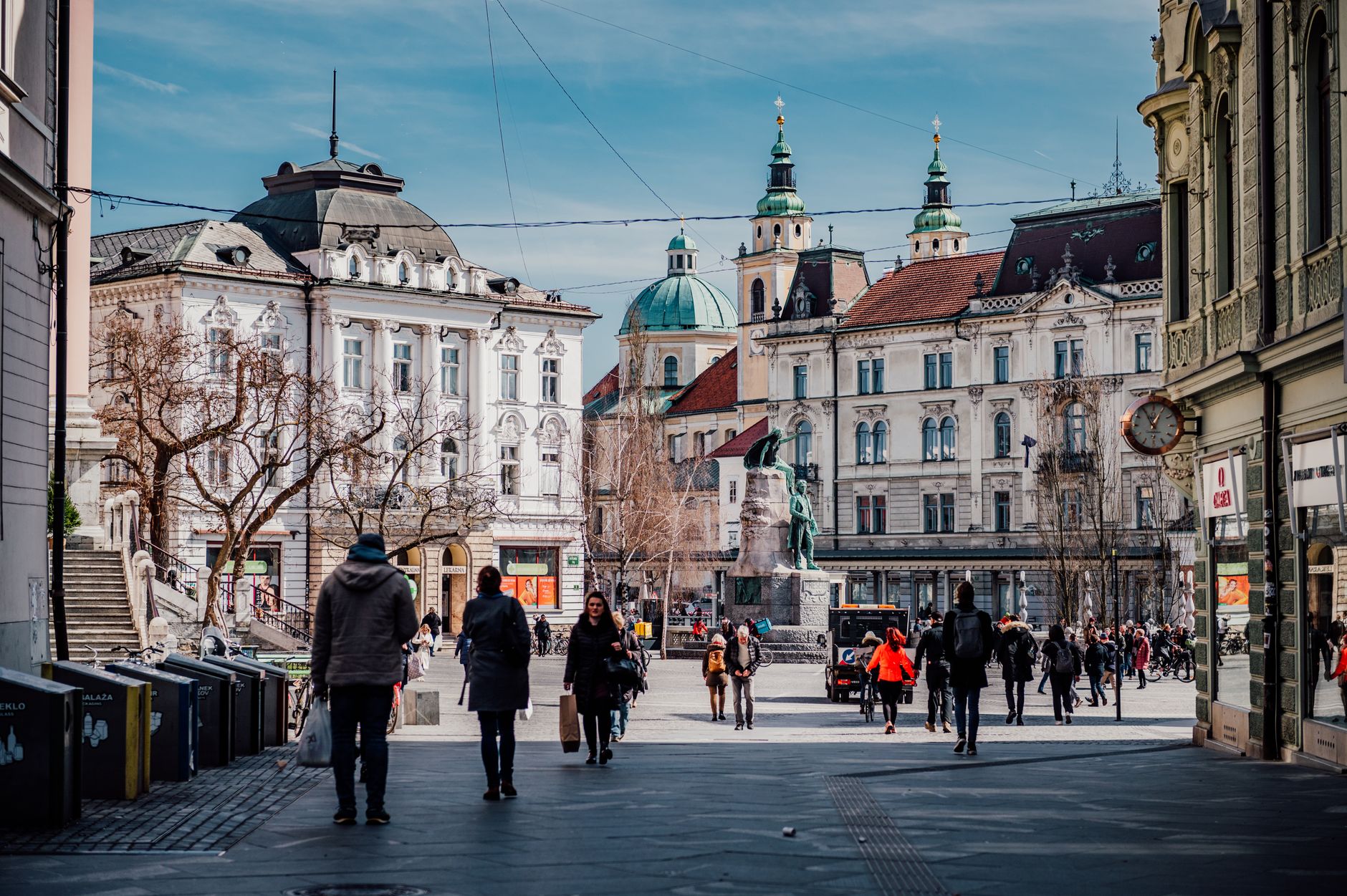
Slovenia's position makes Ljubljana a perfect base: Lake Bled is 55 kilometers away, the Soča Valley (with some of the world's clearest river water) is two hours by car, and the Adriatic coast is accessible in an afternoon.
The city has invested heavily in cycling infrastructure and green spaces — it routinely appears on European sustainability rankings. It feels like what Vienna might be if Vienna were intimate and unhurried.
Tallinn, Estonia — The Best of Medieval Europe, Without the Crowds
Tallinn's Old Town is one of the best-preserved medieval city centers in Europe. The town hall square, the city walls, the limestone towers — all of it looks like a film set, but it's real and inhabited.
Estonia's tech culture means the city has excellent infrastructure, fast internet everywhere, and a restaurant scene that punches above its size. Nordic-Estonian cuisine — local fish, foraged ingredients, rye bread in varieties you didn't know existed — is having a moment, with several Tallinn restaurants earning serious international attention.
Tallinn is also a practical jumping-off point for Helsinki (two hours by fast ferry) and Riga (four hours by bus through the Baltic States).
Tips for Visiting Any Under-the-Radar City
The challenge with "hidden gem" travel is that your behavior as a tourist either perpetuates the problems you're trying to escape or doesn't.

Stay in neighborhoods, not tourist centers. In every city on this list, the accommodation options in residential neighborhoods are cheaper, quieter, and more interesting than anything near the main attractions.
Eat where locals eat lunch. Lunch service in European restaurants is typically when locals eat. The crowds are local, the menus are often better value, and you avoid the dinner service premium.
Learn three phrases. Hello, thank you, and "do you speak English?" in the local language. It's not a magic ticket, but it signals respect and routinely unlocks warmer interactions.
Go in shoulder season. May, June, September, and early October give you most of the weather benefits of summer without the peak-season crowds that are now grinding even "underrated" destinations.
The irony of travel writing is that writing about underrated places makes them less underrated. The best advice remains: talk to people who've recently been to the places you're curious about, pick a date, and go. No city stays undiscovered for long.