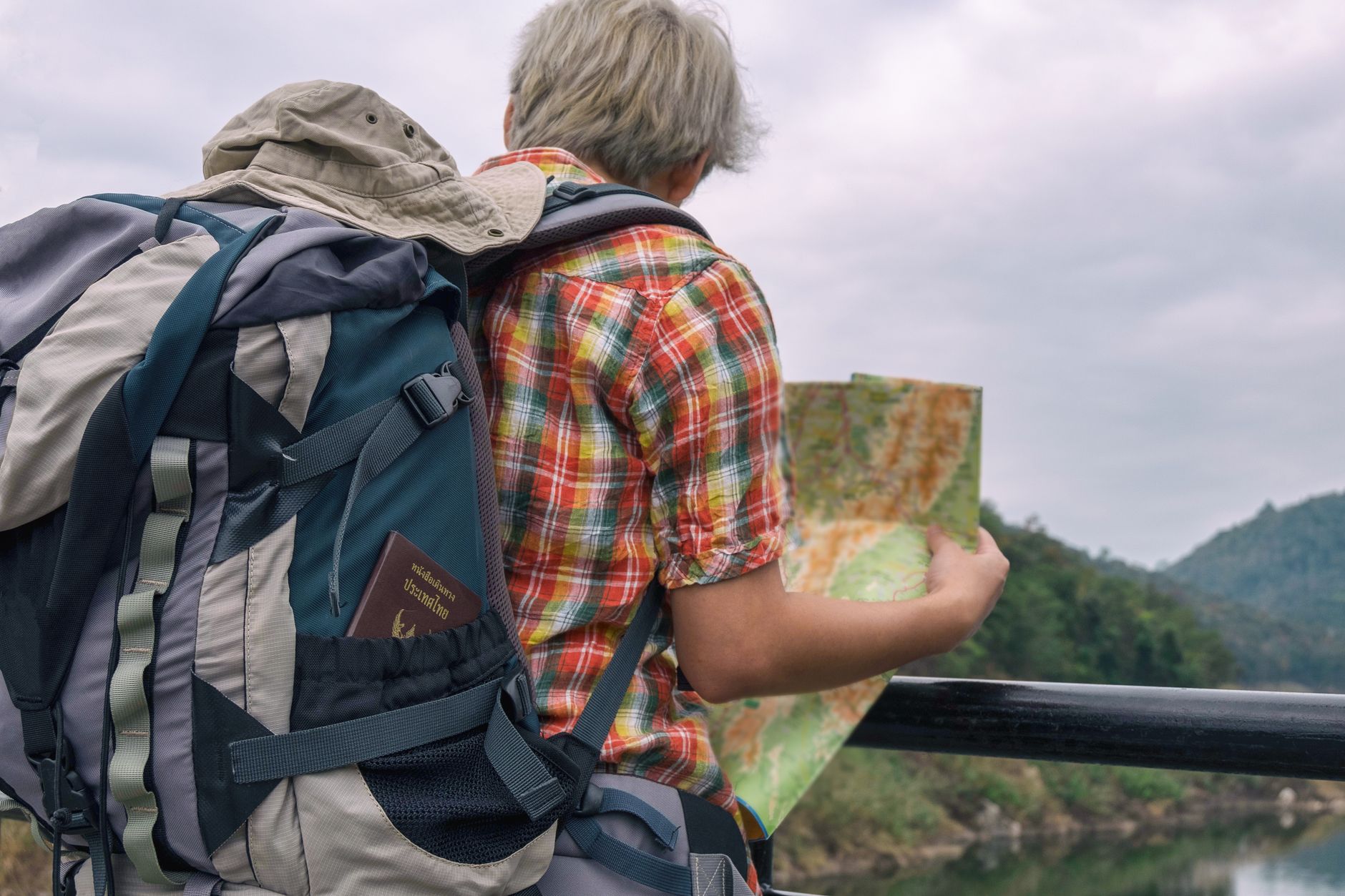
Solo Travel Tips for Beginners: Everything You Need to Know
Thinking about traveling alone for the first time? This complete guide covers safety, planning, budgeting, and making the most of solo travel adventures.

April 6, 2025
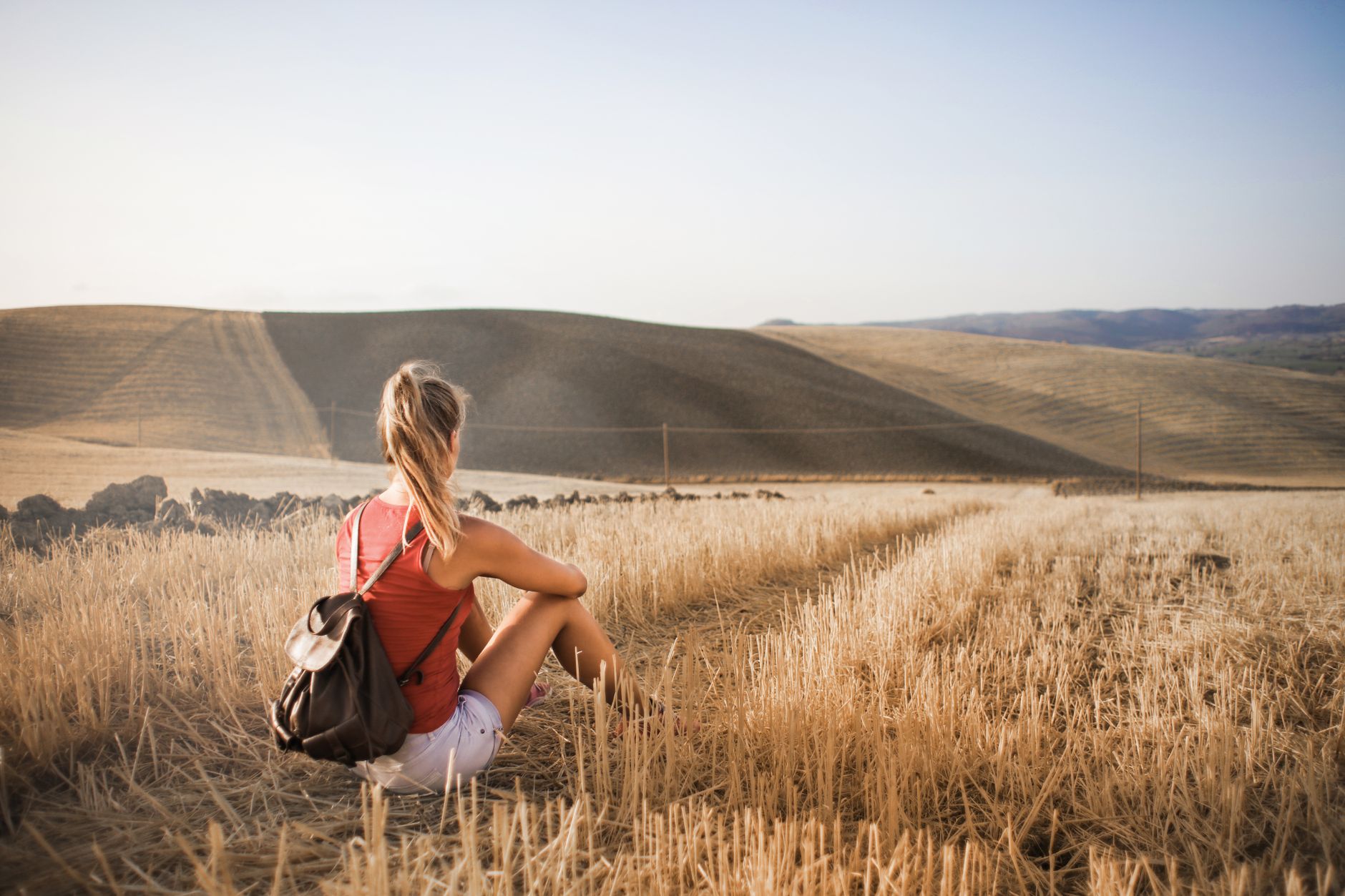
Solo travel is one of the most transformative experiences you can have. You set the itinerary. You meet interesting people. You discover what you're capable of. But starting can feel daunting. Here's everything you need to know.
Why Solo Travel Changes You
Studies in psychology consistently show that novel experiences — especially challenging ones undertaken alone — dramatically accelerate personal growth. You're forced to make decisions, solve problems, and connect with strangers in a way that group travel never demands.
Many people who try solo travel say it's the best decision they ever made.
Before You Go: Planning Essentials
Choose the Right Destination for Your First Trip
Start with a country known for being beginner-friendly. Top picks:

- Portugal — safe, English widely spoken, easy to navigate
- Japan — extremely safe, hyper-organized, low crime
- Thailand — established tourist infrastructure, solo-friendly
- New Zealand — English-speaking, safe, stunning nature
- Colombia (Medellín/Cartagena) — increasingly safe, vibrant, affordable
Avoid starting with countries that have significant language barriers, complex visa requirements, or safety concerns.
Book the First Two Nights in Advance
Nothing is more stressful than arriving in a new country exhausted without a confirmed place to sleep. Book your first 2 nights at minimum. After that, flexibility is a joy.
Read also
The Safest Countries to Travel SoloGet Travel Insurance — This Is Non-Negotiable
If you can't afford travel insurance, you can't afford to travel. One emergency without insurance can cost tens of thousands of dollars. World Nomads ($5-8/day) and SafetyWing ($2/day) are excellent options.
Make Copies of Important Documents
- Passport (front page)
- Travel insurance policy
- Emergency contact numbers
- Credit card hotlines
Store digital copies in Google Drive and email them to yourself.
Safety for Solo Travelers
Trust Your Instincts
If something feels wrong, it probably is. Leave situations, bars, or interactions the moment you feel uncomfortable. You don't owe anyone an explanation.
Share Your Itinerary
Tell someone at home where you're going and when you plan to check in. Use apps like TripIt or simply share your accommodation bookings with a trusted person.
Be Careful with Alcohol
One of the most common tourist incidents involves alcohol lowering your guard. Know your limits, never leave your drink unattended, and always know how you'll get back to your accommodation safely.
Use Official Taxis or Ride-Share Apps
Use Uber, Grab, or Bolt instead of hailing random taxis. The fare is metered, your driver is identified, and there's a digital trail of your journey.
Making Friends on the Road
Solo doesn't mean lonely. The best travelers are incredibly social.
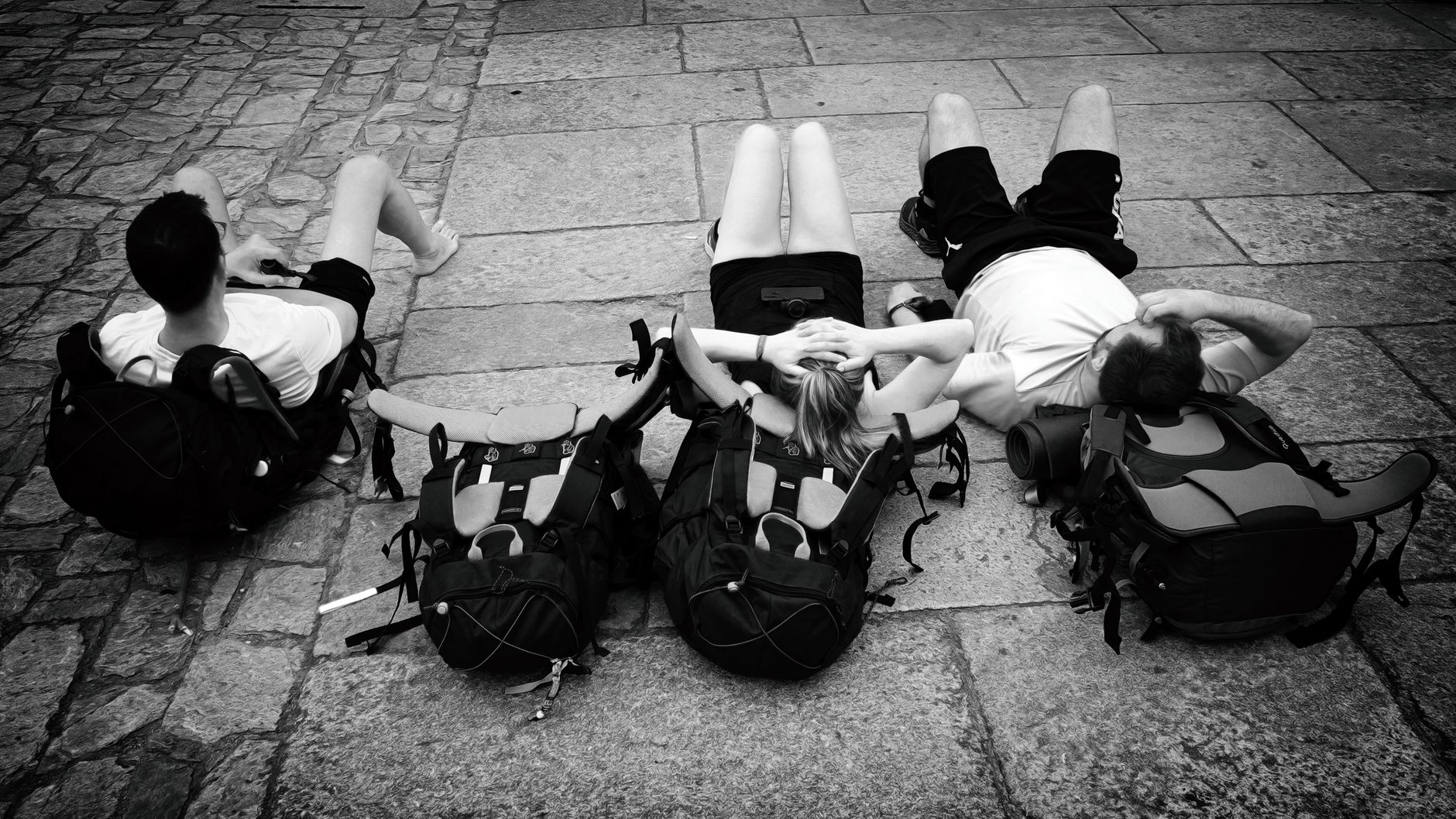
Stay in Social Hostels
Hostels like Generator, HI, or locally-run party hostels have communal spaces, organized tours, and bar crawls. You'll meet people within hours of arrival.
Take Group Day Tours
Free walking tours (tip-based) are in every major city and are fantastic for meeting other solo travelers at the same time as seeing the city.
Use Meetup or Couchsurfing Events
Couchsurfing's meetup events connect locals and travelers without any hosting involved. A great way to get local recommendations and make genuine connections.
Learn 5 Words of the Local Language
"Hello, please, thank you, sorry, and where is..." in the local language will make locals smile and open doors. Duolingo 10 minutes per day for a week is enough.
Money Management Abroad
Tell Your Bank Before You Go
Call your bank or set travel notifications in your banking app. Without this, your card may be blocked on first use abroad.
Carry Two Cards from Different Networks
Visa and Mastercard. Keep one in your wallet and one hidden separately. If one is lost or blocked, you have a backup.
Use Wise or Revolut
These fintech cards give you near-perfect exchange rates with minimal fees. Using a traditional bank debit card abroad can cost 3-5% in fees on every transaction.
Keep $100-200 USD/EUR as Emergency Cash
Some situations (power outages, remote areas, certain emergencies) only accept cash. Keep an emergency stash hidden in your luggage.
Packing for Solo Travel
The golden rule: Bring half of what you think you need.
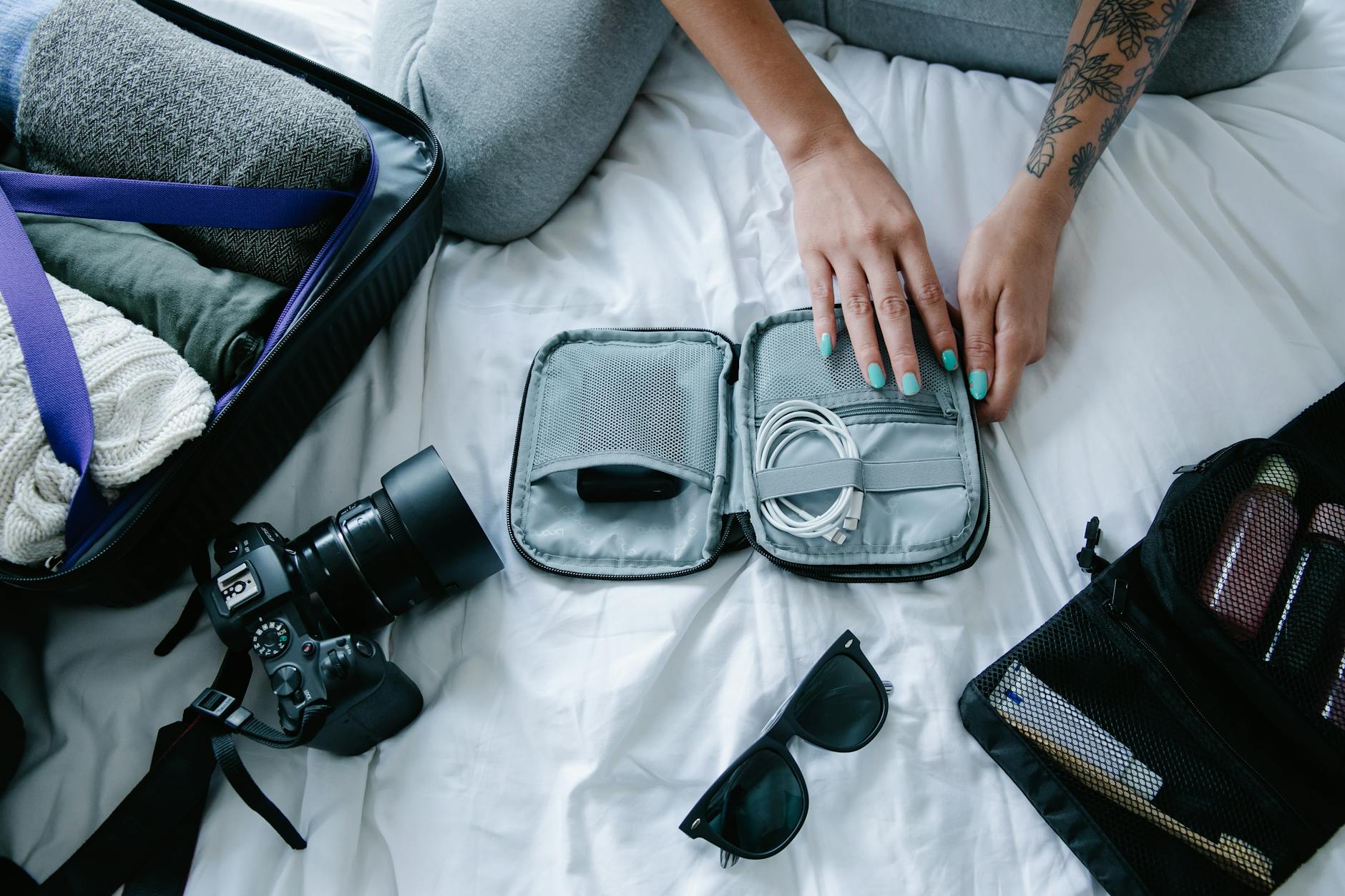
You'll buy things there, you'll realize you don't need half your clothes, and a heavy bag turns every journey into a chore.
Must-haves:
- Padlock (for hostel lockers)
- Universal power adapter
- Portable battery bank
- Microfiber towel
- Offline map app (Maps.me or Google Maps downloaded offline)
Your First Solo Trip Checklist
- [ ] Book flights and first 2 nights accommodation
- [ ] Purchase travel insurance
- [ ] Notify bank of travel
- [ ] Apply for necessary visas
- [ ] Download offline maps
- [ ] Share itinerary with someone at home
- [ ] Get travel-friendly debit card (Wise/Revolut)
- [ ] Pack light (carry-on only if possible)
The Truth About Solo Travel
The hardest part is booking that first ticket. Everything after that — the logistics, the nervousness, the uncertainty — becomes part of the adventure. Most solo travelers don't go back to group travel.
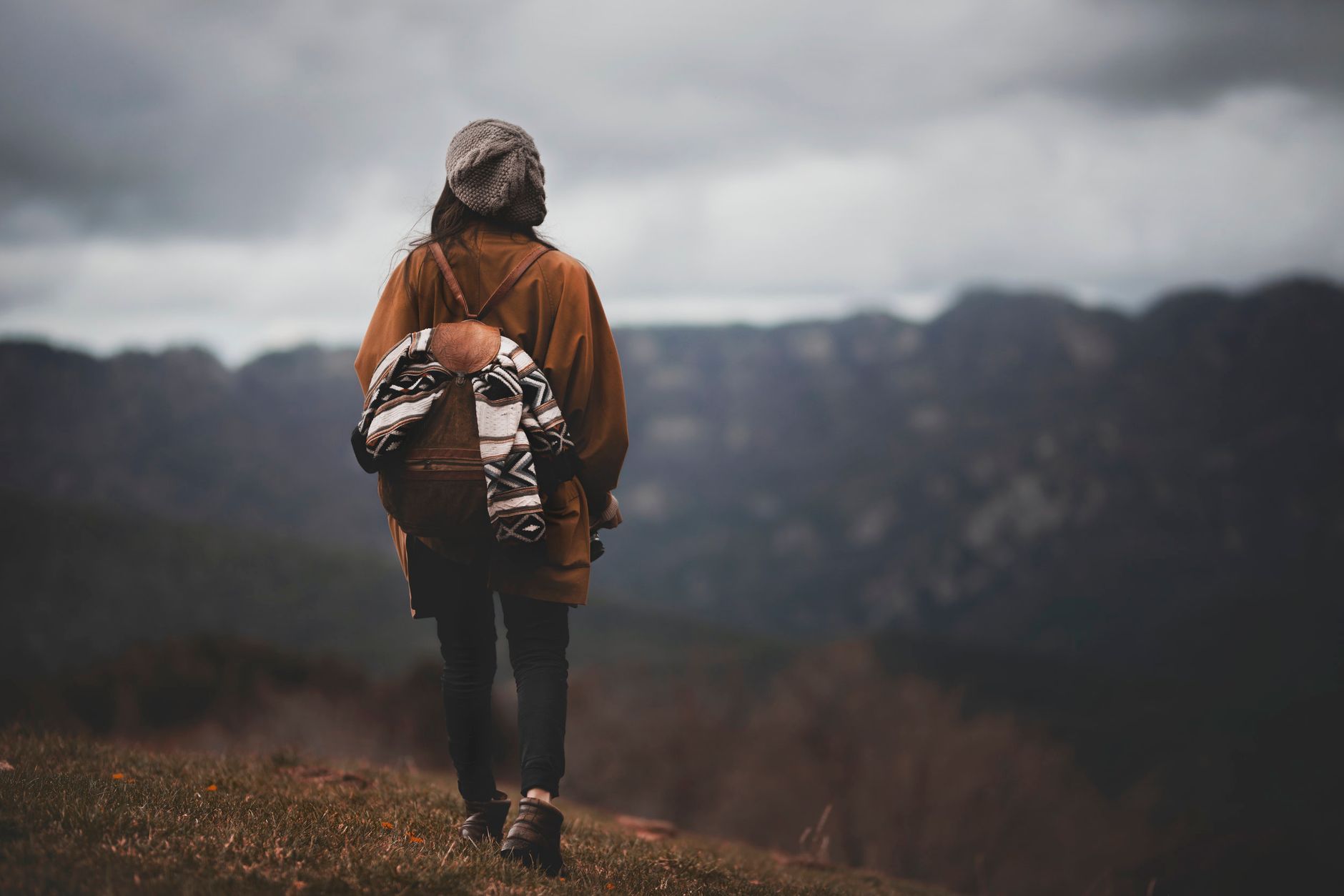
You're more capable than you think. The world is more welcoming than the news suggests. Go.