Why Buffett Just Bet $2.6 Billion on Delta Airlines — And What It Means for Investors
Warren Buffett famously sold every airline stock he owned during COVID. Now Berkshire Hathaway is back — with a 6.1% stake in Delta. Here's what changed.

Published May 16, 2026 · Updated May 18, 2026
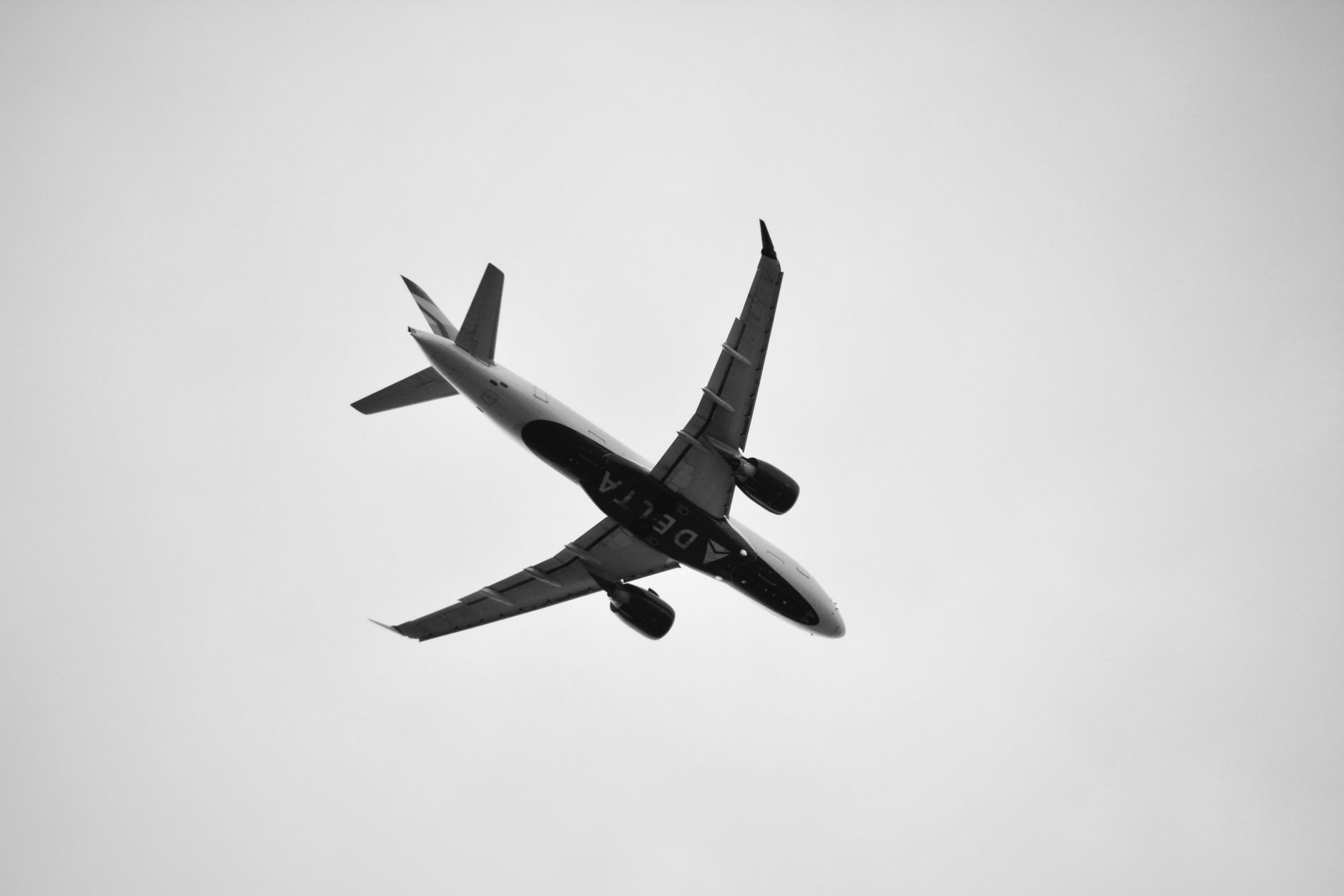
In May 2020, Warren Buffett did something that shocked the investing world: he sold every share Berkshire Hathaway owned in U.S. airlines — American, United, Southwest, and Delta — at a loss, declaring that the pandemic had permanently altered air travel in ways he could not predict.
Six years later, Berkshire is back. The company's latest 13F filing revealed a $2.65 billion stake in Delta Air Lines — 39.8 million shares representing 6.1% of the company, making it Berkshire's 14th-largest holding as of March 31, 2026.
The move is notable not just for its size, but for what it signals. This is the first major portfolio decision under new CEO Greg Abel, who took over from Buffett in early 2026. And it directly contradicts one of Buffett's most public and high-profile calls of the decade.
Read also
How to Invest Your First $1,000 in 2026What Changed Between 2020 and 2026
When Buffett sold his airline positions in 2020, he cited structural concerns: too much capacity, too much debt, and consumer behavior that might never fully return to pre-pandemic patterns. He was partly right — the early recovery was slower than most airlines expected.
But by 2024 and 2025, the picture shifted dramatically:
Travel demand exceeded pre-pandemic levels. Both leisure and business travel rebounded more strongly than expected. Delta reported record revenues in 2024, driven by premium cabin demand that was particularly resilient.
Delta's financial position strengthened significantly. The company paid down substantial pandemic-era debt, improved its operational reliability, and rebuilt its margin structure. Its loyalty program — SkyMiles — generates billions annually through co-branded credit cards, providing a revenue stream that's far more durable than seat sales alone.
Premium travel became structurally larger. Post-pandemic, consumers consistently demonstrated willingness to pay for business class and premium economy at rates that didn't exist before 2020. Delta, with the strongest premium product among U.S. carriers, is the primary beneficiary of this shift.
Why Delta Specifically
Of the four major U.S. carriers, Delta is widely regarded as the best-managed. Its operational performance — measured by on-time arrivals, cancellations, and customer satisfaction — has led the industry for several years running.

Delta's strategy has deliberately moved upmarket. Its fleet now includes more wide-body aircraft with lie-flat business seats. Its Polaris business class and Delta One Suite products compete directly with international carriers on long-haul routes. This positioning commands higher yields and attracts a customer base less sensitive to economic fluctuations.
The SkyMiles program and the co-branded American Express card partnership are particularly attractive from a Buffett framework perspective: they generate high-margin, recurring revenue regardless of how many passengers actually fly. In 2025, Delta's loyalty and co-brand revenue exceeded $7 billion — a business within the airline that functions more like financial services than transportation.
What This Tells Us About Greg Abel's Berkshire
This purchase is among the first portfolio signals from Abel, who took the chairman and CEO role from Buffett earlier this year. Buffett had been explicit that Abel was his chosen successor, but investors were watching for evidence that Abel would invest independently.
The Delta purchase suggests Abel is not paralyzed by his predecessor's previous statements. It also suggests he is comfortable with sectors that Buffett had publicly abandoned — a signal that Berkshire's investment criteria under Abel may look different than they did under Buffett.
Whether that's a feature or a bug depends on your perspective. Buffett's airline exit, while embarrassing in hindsight as Delta stock has roughly tripled since 2020, was also defensible given the information available in May 2020.
What It Means for Regular Investors
Three takeaways worth considering:

One: Revisit your conviction calls. Buffett's 2020 airline exit was a reminder that even the best investors make public, high-conviction calls that prove wrong. The lesson is not that Buffett is infallible — it's that macro predictions are harder than stock selection, and that circumstances change enough to justify revisiting decisions.
Two: Look at what's changed in beaten-down sectors. Delta's stock was deeply out of favor after COVID. Investors who looked at the fundamentals in 2022 or 2023 — improving balance sheet, recovering demand, premium strategy paying off — could have built positions before institutional interest returned. Berkshire's filing is a reminder that sector recoveries happen, and that stigmatized industries deserve fresh analysis.
Three: Don't confuse Berkshire's move with a buy signal. Berkshire built its position in Q1 2026 at prices that are already reflected in Delta's current stock price. The market immediately bid DAL shares higher on the news. Buying after a major institutional disclosure is not the same as buying when Berkshire did.